
Author: MMP

  • How to Save Money on Taxes?

    How to Save Money on Taxes?

    One of the most effective ways to save money on taxes is to take advantage of deductions and credits. By itemizing deductions, getting professional help, and contributing to retirement accounts, taxpayers can reduce their tax burden.

    Managing finances is an ongoing task that involves exploring various avenues to maximize savings and minimize expenses. Among the many expenses that individuals face, taxes are an essential part that cannot be overlooked. While paying taxes is mandatory, there are many ways through which people can reduce their tax burden, which is where tax planning becomes essential.

    This is where taxpayers can leverage the potential of deductions and credits to save money. Taxpayers who are strategic about utilizing itemized deductions, hiring qualified professionals, making charitable donations, and leveraging retirement accounts can significantly reduce their tax bill. In this article, we will explore some practical ways to manage your taxes and save money on your tax bill.
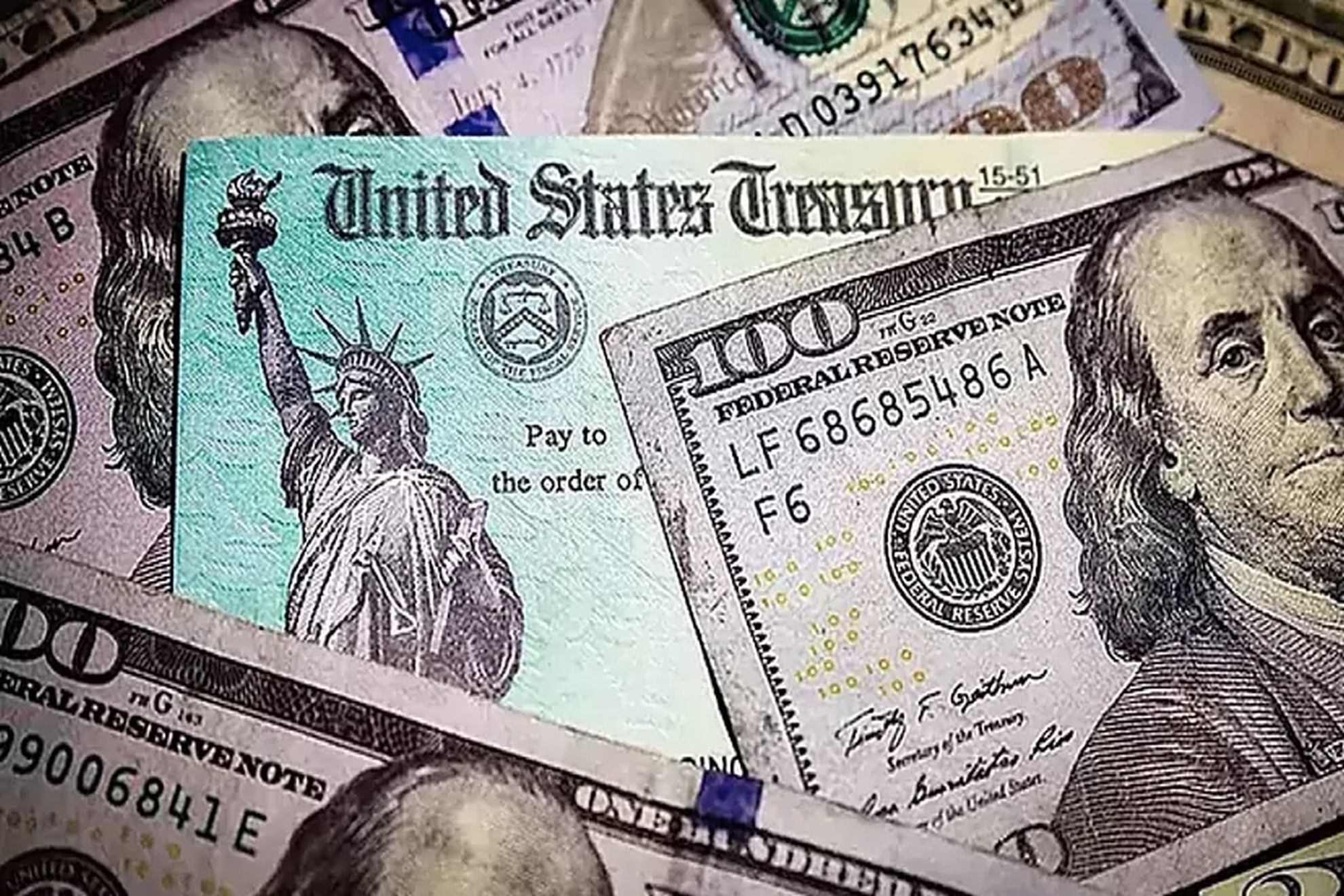
    How to Save Money on Taxes

    Credit: www.marca.com

    Maximize Deductions And Credits

    To save money on taxes, you need to maximize deductions and credits. Understanding these tax benefits is crucial. Most people miss out on deductions such as job search expenses, home office expenses and student loan interest. Charitable contributions, retirement contributions and healthcare costs are some of the ways you can maximize your deductions.

    It’s important to keep track of receipts and documentation to support your claims. Don’t forget about tax credits, such as the earned income tax credit and child tax credit. By taking advantage of these deductions and credits, you can save yourself a significant amount of money.

    Plan Ahead And Stay Organized

    Staying organized and planning ahead can save you money on taxes. Anticipating filing challenges and avoiding last-minute crunches is crucial. This means keeping up-to-date on key dates for tax preparation and filing. It also means taking steps all year long to reduce your tax liability.

    By doing so, you can avoid missing out on tax deductions and credits. Check in with your accountant or tax preparer throughout the year to stay on track. When it comes to tax season, you’ll be glad you took the time to stay organized and plan ahead.

    Take Advantage Of Retirement Accounts

    Saving money on taxes is essential for individuals seeking financial stability. One way to do this is by taking advantage of retirement accounts. The importance of retirement savings cannot be overstated as they can help lower tax bills. Various retirement accounts have unique characteristics that affect taxation.

    For instance, traditional and roth iras offer different tax benefits. The right retirement account to go for depends on personal circumstances such as age, employment status, and financial goals. Choosing the right account can maximize tax benefits, leading to significant savings.

    Saving for retirement should be a priority for anyone seeking to lower their tax bill and achieve financial stability in the long term.

    Understand Your Business Structure

    Understanding your business structure is crucial for saving money on taxes. Choosing the right structure can make a huge impact on your tax liability. Different business structures have different tax implications. For example, llcs and s-corporations can offer tax advantages.

    It’s important to know how each structure affects your tax liability. Structured business planning using a professional can help minimize taxes. Keep in mind that the process of choosing a business structure can be complex and will depend on multiple factors.

    Always consult with an expert in tax law to make the best decision for your business.

    Frequently Asked Questions On How To Save Money On Taxes

    How Can I Save Money On My Taxes?

    You can save money on taxes through deductions, credits, and contributions, and by consulting a tax professional.

    What Is A Tax Deduction?

    A tax deduction is an expense that can be subtracted from adjusted gross income to reduce taxable income.

    How Do Tax Credits Work?

    Tax credits reduce the amount of tax you owe. Some credits are refundable, meaning you can get money back if the credit is worth more than your tax liability.

    How Can I Lower My Tax Bracket?

    You can lower your tax bracket by increasing your 401(k) contributions, taking advantage of deductions, or contributing to an ira.

    What Is A Tax-Deferred Account?

    A tax-deferred account is a retirement account that allows you to defer taxes on contributions and earnings until withdrawal.

    Can I Deduct Charitable Donations On My Taxes?

    Yes, you can deduct charitable donations on your taxes if you itemize your deductions on schedule a and the charity is a qualified organization.

    What Should I Do If I Owe Back Taxes?

    If you owe back taxes, you should file your tax return and pay as much as you can to avoid penalties and interest. Consider reaching out to a tax professional for assistance.

    Conclusion

    As we conclude, saving money on taxes is not rocket science, but it does require some savvy financial planning and tax knowledge. There are numerous strategies to consider, including upfront planning, maximizing deductions, and investing in tax-sheltered accounts. It’s also crucial to seek the advice of a professional tax expert, who can help you navigate the complicated world of taxes and ensure you’re taking advantage of all possible deductions and credits.

    Whether you’re a seasoned tax professional or just starting out, saving money on taxes is achievable with a little bit of education and diligence. By following the tips and advice outlined in this article, you’ll be sure to keep more money in your pocket while still staying compliant with the tax laws.

    Happy saving!

  • What are the Negative Effects of Money?

    What are the Negative Effects of Money?

    The negative effects of money include greed and corruption. Money can lead to a love of material possessions and can cause people to value wealth over relationships and experiences.

    Money, while necessary for survival and comfort, can also bring about negative consequences. One such consequence is greed. Obsession with acquiring more money can lead to unethical behavior, such as fraud and embezzlement. There is also the danger of corruption, as people in positions of power may be swayed by the promise of money.

    Additionally, money can lead to a focus on material possessions, causing individuals to value wealth over relationships and experiences. While money can offer freedom and opportunities, it is important to recognize its potential negative effects and strive for balance.

    What are the Negative Effects of Money? The Dark Side Unveiled.

    Credit: wrestletalk.com

    The Positive Side Of Money

    Money has been and will always be a significant part of our lives. However, we often overlook the positive effects of money. One of the primary aspects of money is that it is used as a means of exchange and transaction, providing us with the ability to access goods and services quickly and efficiently.

    Money also serves as a symbol of success and security, a way for individuals to measure their achievements, and an instrument for financial freedom. By possessing money, one could fund essential necessities, invest money, and live without the fear of financial insecurity.

    Money can positively impact our lives when used appropriately. Thus, acknowledging the constructive influence of money is crucial to an individual’s overall financial wellbeing.

    The Negative Effects Of Money

    Money is often seen in a positive light, a means to achieve financial freedom and live a comfortable life. However, it’s important to acknowledge the dark side and negative impact money can have on individuals. Money addiction and obsession can lead to compulsive behavior, causing individuals to prioritize wealth over everything else.

    This can result in increased stress and anxiety, leading to physical and mental health problems. Greed and selfishness can damage relationships and cause social isolation. Focusing solely on monetary gain can also lead individuals to neglect their health, resulting in reduced well-being.

    In essence, while financial stability is important, it’s important to balance it with other aspects of life to avoid succumbing to the negative effects of money.

    The Causes Of Negative Effects Of Money

    Money is an essential part of modern society. However, it also has a dark side that can cause negative effects on individuals, communities, and even nations. There are many causes of these negative effects, one of which is social and cultural norms.

    Our society often values wealth and material possessions over other qualities, which can lead to feelings of inadequacy and greed. Another contributing factor is consumerism and materialism, which encourage people to buy more than they need and prioritize their own desires over others’ well-being.

    Finally, capitalism and economic inequality play a significant role in the negative effects of money by creating an uneven distribution of wealth and opportunities. All these factors work together to contribute to the harmful effects of money, highlighting the importance of being mindful of our relationship with wealth.

    Coping Strategies For Negative Effects Of Money

    Money, while essential, can have negative effects. To cope with these effects, mindfulness and self-awareness are crucial. Prioritizing values and relationships over monetary gain helps maintain emotional balance. Practicing gratitude and generosity in all areas of our lives can help shift our focus.

    Reducing consumption and living a simpler life can lead to finding joy in non-material things. In case negative effects persist, seeking professional help can make a significant difference. Coping strategies can help combat the negative effects of money and lead to a more fulfilling life.

    Frequently Asked Questions Of What Are The Negative Effects Of Money?

    What Are The Negative Effects Of Being Wealthy?

    Having too much money can lead to feelings of isolation, anxiety and depression.

    Can Money Really Make You Unhappy?

    Yes, according to studies, having too much money can lead to feelings of isolation, anxiety, and depression.

    Is Money The Root Of All Evil?

    Money is not inherently evil but the love of it can lead to negative actions.

    How Does Money Affect Relationships?

    Money can cause tension and conflict in relationships, especially if one person has more than the other.

    Does Having More Money Make You Selfish?

    Studies have shown that the more money people have, the less empathetic and compassionate they tend to be.

    How Can Money Negatively Affect Mental Health?

    Worrying about money can lead to stress, anxiety, and depression, particularly if you are in debt.

    Can Financial Wealth Lead To Physical Health Problems?

    Yes, stress from financial worries can lead to physical health problems like high blood pressure and heart disease.

    Conclusion

    From the above discussion, it’s evident that money has both positive and negative effects on our lives. While money can provide comfort, safety and security, it can also lead to stress, anxiety and even suicidal thoughts if not handled properly.

    The negative effects of money can be seen in relationships, mental health, and societal issues. As we strive for financial stability and success, it’s important to keep in mind that the accumulation of wealth should not come at the cost of our emotional and mental well-being.

    We must develop a healthy relationship with money and learn to manage it wisely to prevent its negative effects from taking over our lives. Thus, balance is the key to achieving a fulfilling life, where money is just one aspect, and not the sole determinant of our happiness and well-being.

  • Mastering the Art of Filing an Insurance Claim: A Comprehensive Guide

    Mastering the Art of Filing an Insurance Claim: A Comprehensive Guide

    To file an insurance claim, gather all pertinent information and contact your insurance provider through their preferred method of communication. Dealing with insurance claims can be a stressful and confusing process.

    However, by following the proper steps, you can make the process smoother and potentially save yourself from undesired financial hardship. Whether you need to file a claim due to a car accident, house damage, or medical emergency, it is vital to understand the necessary steps for submitting a claim and receiving a fair settlement.

    In this article, we will guide you through the steps involved in filing an insurance claim, including how to gather the necessary information and documents, the different methods of filing, and what to expect after submitting a claim.

    Mastering the Art of Filing an Insurance Claim: A Comprehensive Guide

    Credit: www.hypop.com.au

    Understanding Insurance Claims

    An insurance claim is a request made to the insurance company to reimburse losses. It can also be a request for coverage when an unexpected event occurs. There are various types of insurance claims such as property damage, liability claims, and personal injury claims.

    It is important to file an insurance claim if you want to be compensated for your loss. For instance, if a tree falls on your house, you can file a claim to get reimbursement from your homeowner’s insurance policy. It is also important to file a claim as soon as possible to avoid any delays in the process.

    Understanding insurance claims is crucial to ensure that you receive the compensation you deserve.

    Steps To File An Insurance Claim

    The process of filing an insurance claim can seem daunting, but it’s essential to ensure you receive the coverage you need. The first step is to contact your insurance company as soon as possible after the incident. Gather all the necessary documents and information like policy numbers, date, and location of the incident.

    Fill out the claim form provided by your insurance company accurately and thoroughly. Make sure to double-check it for errors or missing information. Lastly, submit the claim form with all supporting documents in a timely manner. By following these steps, you can increase your chances of a successful insurance claim and receive the coverage you deserve.

    Tips To Follow When Filing An Insurance Claim

    Filing an insurance claim can be a daunting process, but being prepared is key. Before anything happens, ensure that all your insurance policies are up-to-date and that you understand the terms and conditions. Honesty is the best policy, so tell the truth and provide all the necessary details to your insurance company in a timely manner.

    Be persistent and follow up on your claim’s progress. Don’t be afraid to ask for help or clarification. A successful claim depends on your willingness to work with the insurance company and provide all the necessary documents. Remember, being patient and polite can go a long way in making the process smoother.

    Common Issues And Challenges When Filing An Insurance Claim

    Filing an insurance claim can be a daunting task for some, especially when there are common issues and challenges that often arise. One of the most challenging situations is to receive a claim denial. This can be due to insufficient evidence, unclear policy requirements, or mistakes in filling out forms.

    Another issue is obtaining insufficient compensation, which can result in further financial troubles. Delays in processing the claim can add to the frustration of individuals, especially when it takes an extended period to receive the compensation. Lastly, dealing with adjusters can sometimes be a difficult experience, especially if they do not cooperate or provide honest feedback.

    Overall, it is crucial to be aware of these common issues and stay informed to ensure a smooth and successful insurance claim process.

    Frequently Asked Questions Of How To File An Insurance Claim?

    How Long Do I Have To File An Insurance Claim?

    Most insurance policies have a time limit for filing a claim, typically ranging from 30 to 90 days. Check your policy document for specific information. It’s best to file the claim as soon as possible to ensure your insurer can expedite the process.

    What Information Do I Need When Filing An Insurance Claim?

    When filing an insurance claim, you’ll need to provide detailed information about the incident, including the date, time, location, cause, and extent of damages or losses. You should also provide your policy number and contact information for witnesses, if any.

    Will Filing An Insurance Claim Increase My Premium?

    Filing an insurance claim will likely increase your premium upon renewal. However, it depends on the nature of the claim and your insurer’s policy. For example, if you file a claim relating to personal injury or weather-related damage, your premium could go up.

    Can I File An Insurance Claim Without A Police Report?

    You can file an insurance claim without a police report, but it’s not always recommended. In some cases, a police report can help speed up your claim by providing essential information about the incident, such as witnesses, time, and location.

    Conclusion

    Now that you know how to file an insurance claim, it’s important to remember that the process can be lengthy and complex. However, by following the steps outlined above, you can streamline the process and increase your chances of a successful claim.

    Remember to document everything, communicate clearly with your insurance company, and take advantage of any resources or assistance available to you. Don’t hesitate to reach out to your agent or a lawyer if necessary. By being prepared and persistent, you can protect your financial well-being and recover from unexpected losses.

    So, whether you’re facing damage to your property, an auto accident, or a health crisis, take the time to understand your insurance policy and start the claims process as soon as possible.

  • How to Save Money on Gifts

    How to Save Money on Gifts

    To save money on gifts, consider making homemade gifts or using cash-back apps and websites. Gift-giving occasions can add up quickly, leaving you feeling financially strained.

    However, there are plenty of ways to save money on gifts without sacrificing thoughtfulness or quality. One option is to get crafty and make homemade gifts, such as baked goods or personalized photo albums. Another option is to use cash-back apps and websites, like rakuten or honey, to earn money back on purchases.

    You can also save money by keeping an eye out for sales and coupons, or by considering alternative gift ideas, like experiences rather than physical items. By being creative and resourceful, you can still give great gifts while staying within your budget.

    How to Save Money on Gifts

    Credit: www.araglegal.com

    Be Mindful Of The Occasion

    Choosing the right gift for an occasion can be a daunting task, especially when you have to stick to a budget. That’s why it’s important to determine the purpose and importance of the gift-giving event. Instead of expensive items, consider more personal and meaningful gifts that show you care.

    You can also celebrate holiday traditions in creative and budget-friendly ways, such as making your own decorations or planning a potluck dinner with loved ones. By being mindful of the occasion, you can save money on gifts without sacrificing the sentiment behind them.

    Shop Smartly

    Shop smartly to save on gifts. Look for online deals and promotions to take advantage of discounts. Explore consignment shops, thrift stores and garage sales for unique gifts. Stack deals and discounts to maximize your savings. Keep an eye out for coupons or promo codes, and consider buying gifts in bulk.

    These tactics can help you stay on budget while still giving thoughtful and appreciated gifts.


    Diy And Personalize

    Save money on gifts by tapping into your creative side and making diy presents. Personalize them with meaningful touches to show your thoughtfulness. Ideas such as diy photo frames or letters are inexpensive and easy to make. Use recycled materials, such as old jars and bottles, to create unique candle holders.

    Personalize them with different colors and patterns. Homemade sweets and baked goods are another affordable option. Wrap them in handmade packaging to add an extra touch of thoughtfulness. Diy personalized gifts are a great way to save money and show your loved ones how much you care.

    Think Long-Term

    Saving money on gifts is a useful skill that benefits both the giver and receiver. To save money in the long term, it’s best to plan ahead and buy gifts during clearance sales. Repurposing and regifting unwanted items remain a wallet-friendly and eco-conscious option.

    Experiences like tickets to a show, a meal, or a weekend trip can be more special than material items. They provide memories that last a lifetime. It’s important to prioritize and select gifts that align with the recipient’s interests. By incorporating these tips, the process of gift-giving can become more thoughtful, sustainable, and affordable.

    Frequently Asked Questions On How To Save Money On Gifts

    How Can I Save Money On Gifts?

    Consider making diy gifts, buying during sales, or giving experiences instead of physical items.

    What Are Some Thoughtful Gifts That Don’T Cost A Lot?

    Consider making a scrapbook, writing a heartfelt letter, or cooking a homemade meal.

    How Can I Set A Gift-Giving Budget?

    Create a list of people you need to buy for and set a spending limit for each person.

    Should I Always Stick To My Gift-Giving Budget?

    Yes, sticking to your budget will help you avoid overspending and financial stress.

    What Are Some Ways To Personalize A Gift Without Spending Too Much?

    Add a handwritten note or card, wrap gifts creatively, or choose a gift that matches the recipient’s interests.

    How Can I Save Money On Wrapping Paper And Gift Bags?

    Reuse wrapping paper and gift bags from previous years, or consider using brown paper and adding your own decorations.

    Is Regifting Okay?

    As long as the gift is in good condition and you’re not regifting to the original giver, it’s generally acceptable.

    Conclusion

    As we conclude on this topic, it is essential to keep in mind that gift-giving is not about spending a fortune; it is about the gesture of love and thoughtfulness. The tips and tricks discussed in this post can assist you in giving meaningful and thoughtful gifts without breaking the bank.

    Remember to start planning early, make a budget, use discounts and coupons, diy gifts, and shop during off-seasons. Keeping in mind these little tweaks can undoubtedly assist you in saving money while giving memorable and heartwarming gifts. So, next time you need to give a gift, don’t hesitate to be creative and calculating.

    Happy gift-giving!

  • Can Money buy happiness? Debunking the Myth with Reality

    Can Money buy happiness? Debunking the Myth with Reality

    Money can buy happiness to a certain extent depending on the individual’s level of income and priorities in life, but it is not the sole determinant of overall happiness. Despite the age-old adage that “money can’t buy happiness”, many individuals believe that money does play a significant role in their level of happiness.

    This is because having more financial means can increase access to material possessions and experiences that bring joy and fulfillment. While financial security can undoubtedly reduce stress levels and provide a sense of comfort, studies have shown that beyond a certain income threshold, additional income does not greatly impact overall happiness.

    In fact, prioritizing relationships, personal growth, and meaningful experiences over material possessions has been found to have a greater impact on one’s overall happiness.

    Does Money Bring Joy? Debunking the Myth with Science.

    Credit: greatergood.berkeley.edu

    Overview Of The Relationship Between Money And Happiness

    Money and happiness have been topics of interest for a long time. Many believe that more money leads to increased happiness. However, this idea is not as straightforward as it may seem. The belief that money brings happiness can be traced back to ancient times, where wealth was seen as a sign of power and security.

    Happiness is a multi-dimensional concept that involves various factors such as health, relationships, and personal accomplishments. While research shows that income level does have an impact on happiness, the relationship is not linear. Once a certain level of income is reached, the benefits of more money on happiness start to decrease.

    Therefore, it’s important to consider all aspects of happiness when evaluating the impact of money on our well-being.

    Scientific Studies On The Relationship Between Money And Happiness

    Money can buy happiness. This is a common misconception. Study 1 shows that income level doesn’t necessarily equate to well-being. In study 2, purchases that bring joy are experiences rather than material possessions. Comparison theory, discussed in study 3, is a key element to consider.

    Although money doesn’t guarantee happiness, it does provide security. Happiness is found in experiences, relationships and good health. Money does not buy those things. While it’s not necessary to be wealthy to be happy, financial stability plays a role. The bottom line is that having more money doesn’t make us happier.

    It’s how we use and perceive money that determines our level of happiness.

    The Role Of Money On Subjective Well-Being

    Subjective well-being refers to how an individual perceives their happiness, satisfaction, and fulfillment in life. While money can bring temporary pleasure, it doesn’t guarantee long-term happiness. In fact, numerous studies suggest that higher income doesn’t necessarily translate to higher subjective well-being.

    Happiness derived from monetary gain often plateaus after fulfilling basic needs. On the other hand, factors such as social connections, purposeful activities, and personal growth have a greater impact on subjective well-being. It’s possible to improve well-being without monetary gain by practicing gratitude, engaging in hobbies, spending time with loved ones, and volunteering.

    Therefore, rather than solely focusing on monetary goals, it’s important to prioritize other aspects of life that contribute to subjective well-being.

    Happiness As A Multifaceted Concept

    Happiness is a multifaceted concept that should not be defined solely by monetary gain. Various factors shape happiness, including love, health and security. While having financial stability is important, it is not the only aspect of life that contributes to overall well-being.

    Money can bring temporary pleasure, but it is not a long-term source of joy. True happiness is a complex emotion that stems from multiple sources, such as personal relationships, emotional well-being and physical health. In short, defining happiness by monetary gain is a myth that needs to be debunked.

    Instead, we should focus on cultivating happiness from within by prioritizing our relationships, taking care of ourselves physically and mentally, and finding joy in simple pleasures.

    Practical Applications For Debunking Money Myths On Happiness

    Money and happiness have long been connected in people’s minds, but is there scientific evidence for this? Research shows that while money can increase well-being, only up to a certain level. Beyond a certain point, there is no significant increase in happiness with more money.

    Therefore, promoting intrinsic aspirations like self-growth and community involvement, instead of extrinsic aspirations like wealth, is vital for long-term happiness. Psychological and educational interventions can also be employed to promote these aspirations and change societal mindsets towards money. By debunking the myth that more money equals more joy, individuals can focus on the things that truly matter.

    Frequently Asked Questions On Does Money Buy Happiness?

    Can Money Buy Happiness?

    Money can buy some happiness, but it is not synonymous with happiness.

    How Much Money Do You Need To Be Happy?

    The amount of money needed to be happy varies per person and situation.

    What Makes People Happy?

    People can find happiness in different things like relationships, hobbies, or achievements.

    Does Being Rich Make You Happy?

    Being rich does not guarantee happiness, but it can improve life satisfaction.

    How Does Money Affect Mental Health?

    Money can impact mental health, especially when it leads to stress and anxiety.

    Can Happiness Be Achieved Without Money?

    Happiness can be achieved without money through meaningful relationships and experiences.

    What Are Some Ways To Increase Happiness?

    Some ways to increase happiness include practicing gratitude, helping others, and spending time in nature.

    Conclusion

    To sum it up, the age-old question of whether money can make us happy is a complex one. While studies suggest that money can improve our overall well-being up to a certain point, the happiness that comes with money is likely overshadowed by other, more impactful factors such as strong relationships, personal growth, and living a life with purpose.

    It’s important to note that achieving financial stability and wealth can greatly alleviate the emotional strain that comes from financial stress, but it doesn’t guarantee lasting happiness. In the end, the relationship between money and happiness is personal and variable, meaning that money can indeed contribute to happiness; however, true satisfaction and fulfillment may come from a variety of sources.

    So, rather than solely pursuing financial stability, perhaps we should focus on cultivating meaningful relationships, unleashing our passions, and finding purpose in our lives for a well-rounded sense of happiness and fulfillment.

  • What Are the Limitations of Money? Exploring Its Boundaries.

    The limitations of money include its inability to buy happiness and love. Money cannot always guarantee security or solve all problems related to health or relationships.

    Money, a commodity that was invented to facilitate trade and commerce, has gained significance beyond its original purpose. Over the years, people have come to view it as a measure of success, a symbol of power, and a source of happiness and wellbeing.

    But despite its apparent advantages, money also has its limitations. While money can provide for basic necessities, luxuries, and material possessions, it cannot guarantee happiness or love. As the old saying goes, money can’t buy happiness or buy someone’s love. It may generate feelings of security and temporary satisfaction, but it cannot solve the underlying problems of mental and emotional wellbeing. Moreover, money cannot ensure perfect health or prevent unforeseen illnesses or medical conditions. Additionally, it cannot buy back lost time or relationships that are broken beyond repair. Therefore, while money has countless advantages, there are many limitations to consider, which we will explore in this article.

    What Are the Limits of Money? Exploring Its Boundaries.

    Credit: www.cnn.com

    Understanding The Concept Of Money

    Money is a universally recognized form of exchange for goods and services. It allows us to buy, sell, and save. The concept of money has evolved, from early bartering to paper money, to digital currencies. Governments and financial institutions create and regulate money, ensuring its stability and value.

    Financial systems are built on trust, and so money must be transparent, stable, and secure. Money is not infinite, however, and can lose value due to economic factors such as inflation. The limits of money are the boundaries of our economic systems, and its value is essential to our daily lives.

    Understanding the concept of money is crucial to effective financial planning and decision-making.

    The Illusion Of Abundance

    Money has its limits of abundance. Inflation affects its value and distorts our value systems. Consumerism and materialism have perpetuated the illusion that more money is better. This mindset has a psychological impact on individuals and society. The constant need for more money has created a culture of workaholics and a lack of satisfaction.

    The value of money cannot be solely measured by its purchasing power, but also by the value it brings to individuals and society. We must recognize the limits of money and seek to find balance in its importance in our lives.

    Money And Power

    Money and power have a close relationship, with money being a tool to acquire power. It is used to influence decisions, sway opinions, and even control actions. However, this relationship is not always ethical, as corruption can play a part in perpetuating power imbalances.

    Those without money often have less power and less influence over decisions. This can lead to a widening gap between the wealthy and the poor, and unfair advantages for those with financial resources. Such disparities have serious implications for social and political stability.

    Ultimately, money may have its limits, but its impact on power dynamics cannot be underestimated.

    The Environmental Impact Of Money

    Money has its limits, and one of them is its environmental impact. Economic growth, fueled by consumerism, has led to severe degradation of the planet. Our current economic model puts profit and growth above sustainability. However, alternative economic models are emerging that prioritize the health of the planet.

    These models aim to balance economic growth with environmental protection. These approaches include circular economics, degrowth, and regenerative economics. We must prioritize the environment and incorporate sustainability into our economic systems to ensure a healthy planet for generations to come.

    The Emotional Toll Of Pursuing Wealth

    The pursuit of wealth can take a significant toll on one’s emotional well-being. Financial stress can have a profound impact on mental health, causing anxiety, depression, and other issues. The pressure to earn more and meet societal expectations can feel overwhelming, leading people to prioritize money over personal fulfillment.

    However, research shows that prioritizing fulfillment over financial gain can improve overall happiness and well-being. It’s essential to recognize the limitations of money and to examine how our pursuit of wealth affects our mental health and overall happiness. By taking a step back and reevaluating our priorities, we can live more fulfilling lives and find a sense of peace that no amount of money can buy.

    Frequently Asked Questions On What Are The Limitations Of Money?

    What Are The Limitations Of Money?

    Money has many limitations, including that it cannot buy happiness, love, or time. It can also lead to greed and corruption.

    Can Money Solve All Problems?

    No, money cannot solve all problems. While it can help with financial issues, it cannot fix relationship, health, or mental health problems.

    Is Money The Most Important Thing In Life?

    No, money is not the most important thing in life. Other aspects like relationships, health, and personal fulfillment are also crucial.

    What Is The Downside Of Wealth?

    The downside of wealth can include feeling isolated, attracting insincere relationships, and becoming greedy or entitled.

    How Can Money Impact Happiness?

    Money can impact happiness to a certain extent, but beyond a certain point, having more money does not necessarily equal more happiness.

    Can Money Buy Success?

    Money may be able to buy opportunities to achieve success, but it cannot guarantee success in any field.

    Is Having Too Much Money A Problem?

    Having too much money can come with its own set of problems, including attracting insincere relationships and potentially becoming isolated or disconnected from society.

    Conclusion

    To sum up, money is indeed an essential component of our lives, and it helps in serving our needs and fulfilling our goals. However, one must understand that it has its limitations as well. Money cannot always buy happiness, love, or time.

    It can only provide temporary pleasures, and beyond a certain point, it stops contributing to our overall happiness. We must also acknowledge the fact that it creates a divide in our society, often leading to unequal distribution of resources and power.

    Therefore, it is crucial to have a balanced approach towards money and its significance in our lives. We should prioritize our relationships and cherish the moments that truly matter in life. By acknowledging the limitations of money and understanding its importance, we can lead a more fulfilling and content life.