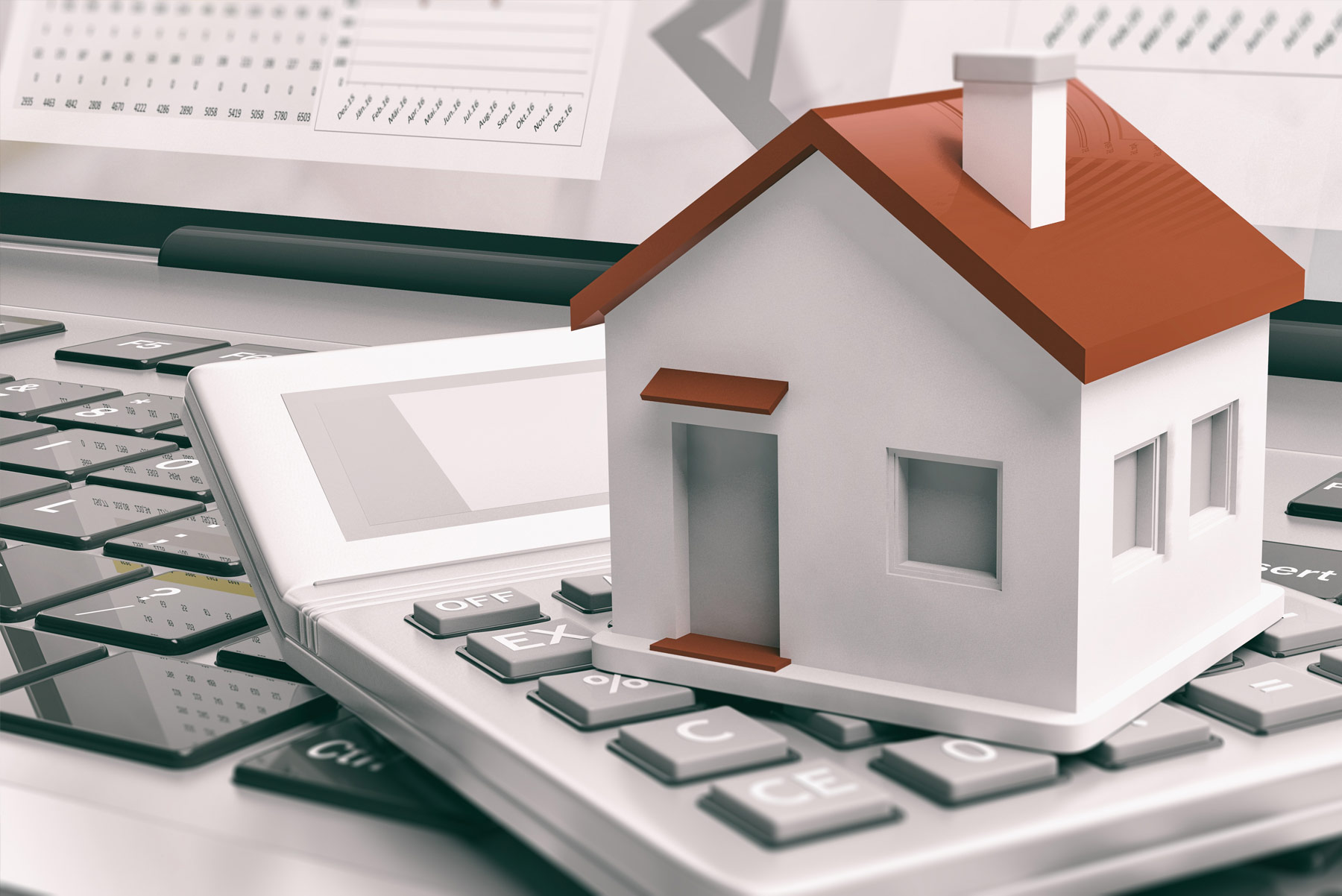
Home insurance policies come in various types, including ho-1, ho-2, ho-3, ho-4, ho-5, and ho-6. These policies cover different aspects of a home, such as the structure, personal property, and liability protection.
Home insurance policies are essential to protect one of the most significant investments one makes in life. Homeowners can customize their coverage by choosing from different policies based on what they want to protect. Ho-1 and ho-2 policies offer basic coverage for the home structure and personal property.
Ho-3 policies are the most popular and provide comprehensive coverage for both the home and personal property. Ho-4 policies are for renters, ho-5 policies offer extensive protection for high-value homes, and ho-6 policies provide coverage for condominiums. Each policy type has its limitations and exclusions, and homeowners must understand the coverage they need before purchasing a policy.
Credit: www.travelers.com
What Is Home Insurance?
Home insurance is a protection plan that covers losses and damages to your home, as well as your possessions inside. The most common home insurance types are ho-1, ho-2, ho-3, ho-4, ho-5, and ho-6. Ho-1 is the most basic form, offering basic coverage against fire, theft, and damages from vandalism.
Ho-2 extends coverage to weather damages and falling objects as well. Ho-3 is the most common policy, covering all risks except those explicitly excluded in the policy. Ho-4, also known as renters insurance, covers possessions within a rented space. Ho-5 adds more extensive coverage by specifying endorsements, while ho-6 covers condos and townhouses.
It’s best to work with insurance brokers or agents to help you decide what type of home insurance policy is best suited to your needs.
What Types Of Home Insurance Policies Are Available?
There are several types of home insurance policies available. The standard policy covers damage caused by fire, theft, and natural disasters. It also covers personal liability if someone gets hurt on your property. However, there are limitations to this policy, such as not covering flood damage.
High-value homes have unique needs, and specialized coverage is available. This coverage typically includes higher limits for dwelling and personal property, as well as more extensive liability coverage. It also covers specific risks that standard policies don’t, such as art and jewelry.
Knowing the limitations of different policies is crucial when choosing the right coverage. Each policy has its own benefits, so understanding what each covers can help you decide which policy best suits your needs.
Which Home Insurance Policy Is Right For You?
Choosing the right home insurance policy can be challenging, but it all boils down to evaluating your home’s value, your personal belongings, location, and budget. First, you need to assess the market value of your property to determine the appropriate coverage.
Second, consider the value of your personal belongings in case they are damaged or stolen. Third, your home’s location can affect the premiums you pay, especially if you live in an area prone to natural disasters or theft. Lastly, you need to set your budget for monthly premiums and determine how much coverage you can afford.
Carefully analyzing these factors can help you choose the right home insurance policy that meets your individual needs.
How To Choose The Best Home Insurance Provider
Homeowners insurance is essential for protecting your biggest investment. But with so many insurers to choose from, the research process can be overwhelming. To find the best provider, start by researching potential insurers. Look at their reviews, ratings, and customer service offerings.
When comparing coverage, consider the costs and benefits of each policy. Make sure you have enough coverage to protect your home and your belongings. In addition, review insurer ratings and reviews to get a better sense of how they handle claims.
When reading reviews, pay attention to factors such as customer service and overall satisfaction. Finally, evaluate customer service by asking about responsiveness and other important considerations. With these tips, you can find the best home insurance provider for your needs.
Frequently Asked Questions Of What Are The Different Types Of Home Insurance Policies?
What Are The Different Types Of Home Insurance Policies?
Home insurance policies come in three primary types: ho-1, ho-2, and ho-3. Ho-1 policies cover basic perils such as fire and theft; ho-2 policies cover more perils like falling objects or heating issues; and ho-3 policies are comprehensive, covering most perils.
Why Is Home Insurance Important?
Home insurance is important because it protects you from financial loss due to damage to, or destruction of, your home and its contents. Coverage can also extend to liability if someone is injured on your property or if you or someone in your household causes damage elsewhere.
What Factors Affect Home Insurance Premiums?
Several factors can affect home insurance premiums, including location, home value, prior claims history, choice of coverage, and deductible. Additionally, insurance companies may offer discounts based on factors like home security systems, age of home, and policy bundling.
How Much Home Insurance Do I Need?
The amount of home insurance you need will depend on your specific circumstances and the value of your home and its contents. Experts suggest that homeowners should purchase enough coverage to fully rebuild their home and replace possessions in the event of a total loss.
Can I Get Home Insurance Without A Mortgage?
Yes, you can get home insurance without a mortgage. In fact, you should have home insurance whether or not you have a mortgage. Lenders often require homeowners to have insurance as a condition of their mortgage, but it’s always important to have coverage to protect your investment.
Conclusion
Home insurance policies are complex, but understanding them is crucial for protecting your property and belongings. Now that you know the various types of home insurance policies, you can make an informed decision when purchasing one for your home. It is essential to conduct thorough research, review policy clauses, understand their limitations, and speak with an insurance agent to ensure you get the right coverage.
Be cautious of underinsurance, as it can put you at risk of financial loss. Remember that policies can vary widely between providers, so make sure to compare different offerings and their costs. By following these guidelines, you can protect your home and save yourself from possible future headaches.
Relish the peace of mind that comes from knowing your home is protected.
To budget for a new house, determine your income and expenses, save for a down payment, and research mortgage options. Buying a new home can be an exciting and fulfilling experience, but it can also be a daunting one, especially when it comes to budgeting.
As a potential homeowner, it’s essential to figure out how to budget for a new house in order to afford it without jeopardizing your financial stability. This process involves determining your income and expenses, saving for a down payment, and researching mortgage options.
With careful planning and preparation, you can create a budget that fits your financial situation and allows you to achieve your dream of owning a new home. This article will guide you through the process of budgeting for a new house so that you can make an informed decision that is right for you and your family.
Credit: rockfordhomes.net
Determining Your Budget
Understanding Your Current Financial Situation And Factors That Determine Your Budget
Before you start saving up for a new house, it’s essential to understand your current financial situation. This step will help you determine how much home you can realistically afford. Here are a few factors to consider:
Your current annual income and monthly expenses
Your credit score and history
Your current savings and debt obligations
Your desired monthly mortgage payment
Determine a realistic budget that you can comfortably afford. Remember to consider all the additional expenses that come with owning a house, such as property taxes, home insurance, maintenance fees, and utilities.
How To Calculate The Maximum Mortgage Payment You Can Afford
Knowing the maximum mortgage payment you can afford will help you avoid financial stress and unnecessary risks down the road. Here’s a simple formula to estimate your maximum monthly mortgage payment:
Start with your gross monthly income (before taxes and deductions).
Multiply your gross monthly income by 30% (or 0.3).
Subtract your monthly debt obligations from the result.
For example, if your gross monthly income is $6,000 and your monthly debts (car loan, student loan, credit cards, etc. ) Total $1,500, your maximum monthly mortgage payment would be around $1,500.
Additional Expenses To Budget For When Buying A New House
Beyond your mortgage payments, there are several expenses you need to consider when owning a house. Here are a few additional expenses you need to budget for when buying a new house:
Property taxes: Property taxes vary based on the value of your house and the local tax rates.
Homeowners insurance: Homeowners insurance will protect your investment from losses due to fire, theft, or other damages.
Private mortgage insurance (pmi): If your down payment is less than 20%, you may need to pay pmi to protect the lender in case of default.
Inspection fees: Before buying a house, you should have it inspected by a qualified home inspector to ensure there are no hidden problems.
Closing costs: Closing costs include various fees, such as attorney fees, title insurance, and appraisal fees, that you need to pay when buying a house.
By following these tips and tricks, you can determine your budget and avoid any surprises while buying your new house. Remember to be realistic and conservative in your financial planning to ensure you can comfortably afford your new home.
Saving For Your Down Payment
How Much You Should Save For A Down Payment
Before buying a new house, it is crucial to determine the amount that you should save for the down payment. Ideally, saving at least 20% is recommended, as it can help you avoid private mortgage insurance (pmi). However, the percentage may vary based on the type of mortgage you obtain.
Some of the factors that may impact the down payment amount include:
The type of mortgage
The price of the home
Your credit score
Your income and debt-to-income ratio
Tips For Saving For Your Down Payment
Saving for a down payment can be a daunting task, but with proper planning and commitment, it is achievable. Here are some tips to help you save for your down payment:
Set a budget: Create a detailed budget that includes all your expenses, such as rent, utilities, and groceries. Identify areas that you can reduce your spending and redirect those funds to your savings account.
Automate savings: Set up automatic savings from your paycheck or checking account to your savings account. This will help you avoid the temptation to use the funds for other expenses.
Increase your income: Consider getting a side job or starting a small business to increase your income. You can redirect the additional income to your savings account.
Cut down on expenses: Consider cutting down on luxuries such as eating out, cable tv subscriptions, and entertainment to increase your savings.
Look for down payment assistance programs: Some states and cities offer down payment assistance programs that can help you cover part or all of your down payment. Check with your local housing authority to see if you are eligible.
Alternative Options For Down Payments
If you are unable to save enough for a down payment, there are alternative options that you can explore to purchase your new home. Some of these options include:
Fha loan: An fha loan allows you to put down as little as 3.5% of the home’s value. However, you will be required to pay for mortgage insurance, which can increase your monthly payments.
Va loan: If you are a veteran or an active-duty member of the military, you may be eligible for a va loan, which allows you to buy a home with no down payment.
Usda loan: A usda loan is available for those who want to purchase a home in a rural area. This loan requires no down payment, but there are income limitations.
Saving for a down payment can be a challenging task, but with proper planning and discipline, you can achieve your goal. Use the tips mentioned above to help you save for your down payment or explore alternative options for buying your dream home.
Finding The Right Mortgage
Overview Of Different Types Of Mortgages
When planning to buy a house, one of the significant considerations involves financing and choosing the right mortgage. There are various types of mortgages available, each with its pros and cons. Here’s an overview of different types of mortgages you should know:
Conventional mortgages: These are loans not backed by a government agency, such as fannie mae, freddie mac, or the fha. They usually require a higher credit score and a down payment of at least 20%.
Fha loans: This mortgage is backed by the federal housing administration and offers a low down payment requirement, making it a popular choice among first-time homebuyers.
Va loans: An excellent option for military veterans and their families, va loans offer plenty of benefits, including low interest rates, no down payment, no private mortgage insurance (pmi) requirement, and more.
Usda loans: This type of mortgage is designed to help low to moderate-income families living in rural areas. It offers zero down payment and low-interest rates.
How To Find A Lender And Get Pre-Approved
Before choosing a mortgage, having a pre-approval letter from a lender increases your chances of getting the type of property you want. Here are the steps to follow when finding a lender and getting pre-approved:
Gather information and review your credit report: Request your credit report and gather all necessary documents ahead of time, including w2s, pay stubs, and tax returns.
Research potential lenders: Look for mortgage lenders that offer competitive interest rates, suitable loan terms, and responsive customer service.
Apply for pre-approved mortgage: Once you’ve selected a lender, you can apply for a pre-approved mortgage, which shows that you have the financial capability to purchase a house.
Factors To Consider When Choosing A Mortgage Type
When selecting the right type of mortgage, it’s vital to consider your financial situation and future goals. Here are the key factors to keep in mind:
Interest rates: Interest rates can significantly impact your monthly payments. Choosing a mortgage with a lower interest rate could save you money in the long run.
Down payment: Consider how much money you can put down for a down payment. Some mortgages require less cash upfront than others.
Loan term: The term of the loan will affect the amount of interest you pay. A shorter-term usually has a lower interest rate, but your monthly payment will be higher.
Private mortgage insurance (pmi): If you choose a mortgage with less than 20% down payment, pmi will be required. Factor in this extra cost when deciding on a mortgage.
Closing costs: Consider the fees related to closing costs when selecting a mortgage.
By keeping these factors in mind and doing your research, you can select a mortgage that works best for your unique financial situation.
Plan For Post-Purchase Expenses
Purchasing a new house is exciting and fulfilling, but it comes with a myriad of post-purchase expenses that you need to plan for to avoid last-minute surprises. Make sure you factor in the following expenses before purchasing that dream home to avoid breaking the bank.
Closing Costs And Other Hidden Expenses
Besides the down payment, closing costs are a significant expense that you need to plan for. These costs include the appraisal fee, inspection fee, title search, and mortgage application fee. Other hidden expenses to consider include property taxes, insurance, and association fees.
Here are some tips to help you budget for these expenses:
Get multiple quotes to ensure you settle for the best rates
Negotiate with the seller to cover some of the closing costs
Refrain from taking on too much debt because it can affect your ability to pay these expenses
Factor in unexpected costs such as repairs and replacements that may come up during the purchase.
Budgeting For Initial Home Improvements And Repairs
Once you purchase your new home, you may need to do some initial home improvements and repairs. For instance, you may decide to upgrade the kitchen, add a new bathroom, or repaint the interior walls. Here is how to budget for these expenses:
Have a list of priorities and settle for the most important upgrades.
Get multiple quotes from reputable contractors and compare their rates before settling.
Consider doing minor repairs yourself.
Plan to spend at least 1-2% of the purchase price on initial repairs and upgrades.
Long-Term Home Maintenance Costs
Besides the initial repairs and upgrades, owning a home comes with long-term maintenance costs that you need to plan for. These include landscaping, roof repairs, plumbing, and electrical work. Here is how to budget for long-term maintenance expenses:
Have an annual maintenance budget to account for recurring expenses.
Prepare for unexpected and emergency repairs by setting aside a contingency fund.
Opt for preventive maintenance to prevent costly repairs in the future.
Plan for major replacements such as hvac systems, roofing, and water heaters.
Budgeting for post-purchase expenses is crucial to avoid financial strain and prepare for the future in homeownership. Use the above tips to plan for these expenses, and you will enjoy a stress-free homeownership journey.
Avoiding Common Budgeting Mistakes
Common Mistakes Made During The Home Buying Process
The excitement of buying a new house can cause people to overlook some crucial factors. To avoid making such mistakes, it’s crucial to know what to watch out for. Here are some common mistakes people make and easy ways to avoid them:
Not having a realistic budget: This mistake may stem from wanting to buy a home that’s out of your price range or underestimating miscellaneous expenses. To create an accurate budget, consider the following:
Down payment: Typically ranges between 5% and 20% of the home’s purchase price.
Closing costs: These include lender fees, title fees, and transfer taxes, amongst others.
Monthly mortgage payments: Principal, interest, taxes, and insurance (piti) payments should be less than 28% of your gross income.
Homeowners association fees: This is a recurring monthly or annual cost that you need to budget for.
Maintenance and repair costs: You must also factor in the costs of repairs and upkeep, typically 1% – 3% on average across the nation.
Skipping pre-approval: A common mistake that many people make is to start looking for a house without getting pre-approved for a mortgage. Pre-approval helps you know your prices range, the type of loan that you qualify for, and what your monthly payments will be.
Failing to consider additional expenses: People often forget to budget for additional expenses such as ongoing utilities, homeowners’ insurance, home warranties, and homeowners association fees. Account for these to establish an accurate budget before purchasing your home.
How To Avoid Overspending During The Home Buying Process
Buying a new home is a thrilling experience, but it’s vital to remain objective and not overspend to avoid financial instability. Here are some tips to avoid overspending during the home buying process:
Get pre-approved for a mortgage: This helps determine how much you can afford to spend and what loan terms are available.
Work with a professional realtor: A good realtor can help you find homes that match your budget and preferences and guide you towards properties that are below the maximum you can afford.
Keep your emotions in check: A house’s aesthetics can be deceiving, and it can be easy to fall in love with a luxurious-looking home that’s beyond your budget. Always make an effort to remain objective.
Consider your future expenses: Your future expenses can affect your budget, such as having children, starting a business, or going back to school. Anticipate these costs to avoid overspending on your home.
Remember to avoid common mistakes when buying a new home, such as not having a realistic budget and skipping pre-approval. Overspending can be avoided by getting pre-approved, working with a professional realtor, keeping emotions in check, and anticipating future expenses.
By following these tips, you can enjoy purchasing a home without overspending.
Frequently Asked Questions On How To Budget For A New House
How Much Money Do I Need To Save For A Down Payment?
Typically, you should aim to save 20% of the house price as a down payment.
Should I Consider My Monthly Expenses Before Buying A Home?
Yes, it is important to factor in all your monthly expenses to see if you can afford the mortgage.
Can I Negotiate The Price Of A New House?
Yes, you can always negotiate the price of a new house with the seller or the real estate agent.
Is It Necessary To Work With A Real Estate Agent?
While it’s not mandatory, a real estate agent can offer expertise and guidance through the home-buying process.
What Are Some Additional Costs Associated With Buying A Home?
There are various additional costs such as closing costs, property taxes, home inspection fees, and moving expenses.
How Many Lenders Should I Talk To Before Getting A Mortgage?
It’s recommended that you talk to at least three different lenders to compare rates and terms.
What Credit Score Do I Need To Qualify For A Mortgage?
Generally, a credit score of 620 or above is required to qualify for a mortgage.
How Can I Save Money During The Home-Buying Process?
You can save money by shopping around for the best mortgage rates, negotiating with the seller, and avoiding unnecessary expenses.
What Is The Best Way To Assess My Budget For A New Home?
You can assess your budget by calculating your monthly income, expenses, and savings to determine what you can afford.
How Long Does The Home-Buying Process Usually Take?
The home-buying process can take between 30 to 90 days depending on the complexity of the sale and financing.
Conclusion
Creating a budget for a new house can be daunting, but it is worth the effort. By following the steps outlined in this post, you can make sure you are financially prepared for this big step. Remember to consider all of your expenses, from the cost of the home to the closing costs and ongoing maintenance.
Make sure to also research the different types of mortgages and their terms. Don’t forget to prioritize, and decide which features you are willing to compromise on in order to stay within your budget. By being patient and realistic, you can take all the necessary steps to achieve your dream of owning your own home without putting undue financial stress on yourself.
With careful planning and budgeting, a new home can be well within reach.
Yes, the debt snowball really works. It is a debt repayment method that entails paying off the smallest debts first while paying the minimum payments on the larger debts.
This strategy aims to motivate and encourage debtors to continue paying off their debts by gaining small wins along the way. The debt snowball has gained popularity and has been proven effective by many people who have successfully paid off their debts using this method.
It provides debtors with a sense of accomplishment, enhances their financial discipline, and reduces the overall debt load. By following this strategy, people can achieve financial freedom and live a debt-free life. It is an excellent option for individuals who want to pay off their debts on their own and stay motivated throughout the process.
The Debt Snowball Method Explained
Many people find themselves in debt at some point in their lives. While debt can be overwhelming, there are strategies available to help you pay it off. One popular method is the debt snowball method. In this section, we’ll explain what it is, how it works, and why it has become so popular.
What Is The Debt Snowball Method?
The debt snowball method is a repayment strategy that involves paying off your debts from smallest to largest, regardless of their interest rate. It was made popular by personal finance guru dave ramsey, who believes that paying off small debts first can provide a psychological boost, motivating you to continue to pay off your larger debts.
How Does It Work?
The debt snowball method involves the following steps:
1. List Your Debts:
Commence your journey to financial freedom by creating a comprehensive list of all your debts. This list should encompass credit cards, loans, and any other outstanding balances you may have. Crucially, list them from the smallest to the largest, irrespective of their interest rates.
2. Minimum Payments:
Maintain financial stability by continuing to make the minimum payments on all your debts, except for the smallest one. This ensures that you meet your basic obligations and avoid late fees or penalties.
3. Attack the Smallest Debt:
With your minimum payments in order, it’s time to focus on the smallest debt on your list. Allocate any additional funds or savings you can muster towards paying off this smallest debt.
Devote as much money as possible to eliminate this debt swiftly. This targeted approach lays the foundation for the momentum that is a key principle of the Debt Snowball.
4. Snowball Effect:
Experience the “snowball effect” by rolling the amount you were paying on the smallest debt into the next smallest debt once it’s paid off. This compounds the payments and gradually increases the amount available for tackling larger debts.
As you move from one debt to the next, the cumulative effect creates a snowballing momentum. The process becomes increasingly powerful as you channel more significant amounts towards each successive debt.
5. Repeat Until Debt-Free:
The magic of the Debt Snowball lies in repetition. Keep rolling the payments into the next debt on your list after each one is paid off. This repetitive cycle ensures a continuous increase in the funds available for debt repayment.
Continue this process until you’ve cleared all your debts. Each time you eliminate a debt, the snowball effect gains strength, propelling you towards a debt-free future.
Key Considerations:
Psychological Boost:
Celebrate each victory, no matter how small. The Debt Snowball method harnesses the psychological impact of quick wins, fostering motivation and commitment to the overall debt repayment journey.
Budget Adjustment:
Regularly review your budget to identify areas where you can trim expenses and redirect funds towards debt repayment. A proactive approach to budgeting enhances the effectiveness of the Debt Snowball.
Avoid New Debt:
While on the journey to clear existing debts, it’s crucial to avoid accumulating new debt. Cultivating responsible financial habits supports the success of the Debt Snowball method.
Embarking on your Debt Snowball journey requires dedication and a commitment to the process. By systematically tackling debts from smallest to largest, you’ll find yourself gaining momentum and gradually rolling towards a debt-free horizon.
Why Has It Become So Popular?
The reasoning behind the debt snowball method is that it helps you build momentum in paying off your debts. By starting with small debts and working your way up, you’ll feel a sense of accomplishment and motivation to keep going.
This can help you build good financial habits and continue to pay off debt until you’re debt-free.
The debt snowball method has become popular for a few reasons:
It focuses on small wins: By paying off your smallest debts first, you’ll experience a sense of accomplishment and motivation to keep going.
It simplifies the process: The debt snowball method is straightforward and easy to follow.
It can be adapted to fit your needs: You can adjust your payments and debts to fit your budget and lifestyle.
How Is It Different From Other Debt Repayment Strategies?
The debt snowball method is different from other debt repayment strategies, such as the debt avalanche method, which involves paying off debts with the highest interest rates first. The main difference is that the debt snowball method prioritizes the psychological aspect of debt repayment, while the debt avalanche method prioritizes saving money on interest.
Both methods can be effective, depending on your goals and preferences.
The debt snowball method can be an effective way to pay off debt. By focusing on small wins and building momentum, you can stay motivated and pay off your debts until you’re debt-free.
The Psychology Behind The Debt Snowball
Why Is The Debt Snowball So Effective For Some People?
Debt is a common problem these days. Most people find themselves trapped in the vicious cycle of debt and are looking for ways to get out of it. The debt snowball is a well-known debt-reduction technique that has helped many people overcome their debt problems.
There are a few reasons why the debt snowball is so effective for some people:
Motivational: The debt snowball method involves paying off the smallest debts first, which can be very motivating. As people start to see their smaller debts disappear one by one, they become more inspired to continue paying off the bigger ones.
Quick wins: Paying off small debts first gives people quick wins. This sense of accomplishment can be a powerful motivator, pushing people to keep going until all their debts are paid off.
Simple: The debt snowball method is simple to implement, as it focuses on paying off one debt at a time, starting with the smallest. Therefore, it can be easily understood and does not require any complex calculations or budgeting.
How Does It Leverage Human Psychology?
The debt snowball technique is based on human psychology and leverages the following principles:
Power of small wins: The debt snowball relies on the power of small wins. It encourages people to pay off small debts first, which results in a sense of accomplishment and motivates them to continue with larger debts.
Momentum: Paying off small debts builds momentum and creates a sense of progress. This progress encourages people to continue with their debt repayment journey.
Cognitive biases: The debt snowball leverages cognitive biases such as loss aversion and sunk cost fallacy. Loss aversion is the tendency to avoid losses rather than seeking gains. By paying off small debts first, people feel like they are not losing anything. The sunk cost fallacy is the tendency to continue investing in something because of the resources already spent. By paying off small debts first, people feel like they are not wasting the money they’ve already spent.
What Are The Underlying Reasons For Its Success?
The debt snowball’s success lies in its focus on small wins and the use of motivational psychology. However, there are other reasons for its success, such as:
Encourages discipline: By setting a goal to pay off debts one by one, the debt snowball encourages people to be more disciplined with their finances.
Increases cash flow: As debts get paid off, people have more money available to pay off the remaining debts. This increase in cash flow helps people pay off their debts faster.
Reduces stress: Debt can be a significant source of stress. By using the debt snowball method to create a debt payment plan, people can reduce their stress levels and feel more in control of their finances.
The debt snowball is a debt-reduction technique that uses motivational psychology and simple techniques to help people pay off their debts. Its success lies in its focus on small wins, momentum, and cognitive biases. By leveraging these principles, people can become debt-free and take control of their finances.
The Benefits Of The Debt Snowball Method
Debt can quickly accumulate and leave you feeling suffocated, unsure where to start paying it back. However, the debt snowball method can help you regain control of your finances. This method involves paying off your debts one by one, starting from the smallest to the largest.
As you pay off each account, you move on to the next one, gradually snowballing your payments. But, why is this method so popular? Here are some key benefits to consider:
How Can The Debt Snowball Method Benefit People In Debt?
The debt snowball method can be a game-changer for anyone feeling overwhelmed by debt. Here are some ways it can benefit you:
Helps build momentum for becoming debt-free as you start with small debts
Provides a sense of accomplishment and motivation to continue as you pay off debts one-by-one
Allows you to focus on paying off your highest interest debts first, potentially saving you money in the long run
Simplifies your debt repayment strategy and creates an easy-to-follow plan
Helps improve your credit utilization ratio, which is a significant factor in your credit score
What Are The Advantages Of This Strategy Over Other Repayment Methods?
The debt snowball method is not the only way to pay off your debt, but it has several advantages over other strategies. Here are some of them:
Prioritizes behavior modification over the math, as it focuses on paying off small debts first giving the sense of accomplishment
Helps keep you motivated, thereby aiding in sticking to the overall plan
Provides more effective results as even small victories can encourage you to continue with the plan.
Preferable for those with lower credit utilization ratios
Are There Any Downsides To Using The Debt Snowball Method?
While the debt snowball method is a great way to tackle debt, it might not be the best option for everyone. Here are some points to consider:
It does not prioritize paying off high-interest debts first and can be more costly in the long term
It does not work for everyone, as the minimum payment on larger debts can be too high, leading to an inability to save.
It may take longer to pay off high-interest debts, cheaper alternative methods with higher interest might work better for some.
No method is perfect. The debt snowball method may not be the perfect solution for everyone, but it is a method worth considering if you need help regaining control of your finances. With a bit of discipline and the right mindset, it could help you become debt-free sooner than you ever imagined.
The Criticisms Of The Debt Snowball Method
What Are Some Criticisms Of The Debt Snowball Method?
The debt snowball method is a popular strategy for managing debt and has helped many people become debt-free. However, the method is not without its criticisms. Here are some of the most common criticisms of the debt snowball method:
The debt snowball method focuses on paying off the smallest debts first, rather than the debts with the highest interest rates. Critics argue that this approach results in paying more interest in the long run since the higher interest debts continue to accumulate interest while you pay off the smaller debts.
Some people may find the debt snowball method too simplistic or rigid. Critics argue that the method does not take into account individual circumstances, such as debts with wildly different interest rates or situations where paying off high-interest debt first makes more sense.
Critics point out that the debt snowball method may not be suitable for those with a lot of debt, as paying off small debts first may take longer and result in more interest paid overall.
Are These Criticisms Valid?
While the criticisms of the debt snowball method are valid to some extent, it’s important to remember that the debt snowball method has been highly effective for many people. It has helped people pay off debt quickly and build momentum as they see progress in paying off their small debts.
Choosing the right debt repayment strategy depends on your individual circumstances, including the types of debt you have, how much debt you have, and your personal financial goals. For some people, the debt snowball method may not be the best approach.
However, for others, it could be the perfect strategy to help them achieve their debt-free goals.
Who Might The Debt Snowball Method Not Be Well-Suited For?
The debt snowball method may not be well-suited for everyone. Here are some situations where the debt snowball method may not be the best approach:
If you have significant debt with high-interest rates, such as credit card debt, it may be more beneficial to focus on paying off the highest-interest debt first to save money on accumulating interest.
If you have a limited amount of money to put towards debt repayment each month, the debt snowball method may not be the best approach since it involves paying off smaller debts first, which may take longer to accomplish.
The debt snowball method may not be the best approach for those who prefer a more personalized, tailored approach to debt repayment. It can be a rigid strategy that does not take individual circumstances into account.
Ultimately, the debt snowball method can be an effective debt repayment strategy for many people. Still, it’s essential to evaluate your individual circumstances and determine if this method is right for you before committing to it.
Alternatives To The Debt Snowball Method
What Are Some Alternative Debt Repayment Strategies?
When it comes to paying down debt, there’s no one-size-fits-all solution. While the debt snowball method is a popular strategy, it might not be suitable for everyone. Here are some alternative methods to consider:
Debt avalanche method: The debt avalanche method involves prioritizing debt with the highest interest rate and paying it off first. This approach can save you money on interest payments over the life of your loans.
Balance transfer method: This involves transferring high-interest debt to a credit card with a 0% introductory apr, giving you time to pay off the debt without accruing interest charges. However, watch out for balance transfer fees and make sure to pay off the balance before the promotional period ends.
Debt consolidation method: Debt consolidation involves taking out a loan to pay off all outstanding debts. This can simplify your payments and potentially lower your interest rates, but be sure to read the terms carefully and compare the costs of different consolidation loans.
How Do They Differ From The Debt Snowball Method?
While the debt snowball method focuses on paying off smaller debts first, these methods prioritize debts based on interest rates or combine debts into one loan. Here’s how they differ:
Debt avalanche method: The debt avalanche method focuses on paying off debts with the highest interest rates first, while the debt snowball method prioritizes debts with the lowest balances.
Balance transfer method: The balance transfer method can help you avoid interest charges altogether, whereas the debt snowball method does not factor in interest rates.
Debt consolidation method: Debt consolidation simplifies payments by combining multiple debts into one, while the debt snowball method involves making separate payments to each creditor.
Who Might Be Better Suited For Alternative Methods?
The debt snowball method works well for those who need motivation to stay on track with debt repayment, but it may not be the best fit for everyone. Consider these factors when deciding which repayment strategy is right for you:
Debt avalanche method: This strategy is best for those who are willing to pay more in interest charges in the short-term in order to save money in the long-term.
Balance transfer method: The balance transfer method is ideal for those with good credit who can qualify for a 0% introductory apr offer.
Debt consolidation method: Debt consolidation might be suitable for those with high-interest debts who can qualify for a consolidation loan with a lower interest rate.
Ultimately, the best debt repayment strategy for you depends on your financial situation, goals, and priorities. Consider speaking with a financial advisor to determine which approach is right for you.
How Has It Helped People Become Debt-Free?
The debt snowball method has helped people become debt-free in quite a number of ways. Here are some of them:
Psychological motivation: Paying off smaller debts first gives a sense of accomplishment, which in turn motivates people to tackle the larger debts. It makes the whole process seem manageable.
Improved credit score: As debts are paid off one after the other, it shows that the debtor is making an effort, which in turn improves their credit score.
Focus on debt elimination: Concentrating all extra cash on one debt at a time speeds up the debt elimination process. It helps to develop discipline and financial responsibility.
Tips For Using The Debt Snowball Method
How Can Someone Implement The Debt Snowball Method Effectively?
If you’re considering the debt snowball method to pay off your loans, it’s important to know how to implement it effectively. Follow these steps to get started:
1. List Your Debts:
Start by compiling a comprehensive list of all your debts, ranging from the smallest to the largest. This includes credit cards, loans, and any other outstanding balances. Organizing them in this manner sets the stage for the Debt Snowball’s systematic approach.
2. Create a Budget:
Develop a realistic budget that serves as your financial roadmap. Allocate funds for minimum debt payments to ensure you meet your basic obligations. Additionally, identify areas where you can trim expenses or generate extra income to accelerate debt repayment.
3. Emergency Fund:
Consider establishing a small emergency fund as a financial safety net. This fund can cover unexpected expenses, preventing the need to rely on credit during the debt repayment process. It adds a layer of financial security to your journey.
4. Commit to the Process:
Stay committed to the Debt Snowball method, understanding that the journey to becoming debt-free may take time. Embrace the incremental nature of the process and recognize that each step forward, no matter how small, contributes to your ultimate goal.
5. Celebrate Each Milestone:
Celebrate your achievements along the way. Whether it’s paying off a small debt or reaching a specific milestone in your repayment plan, acknowledging these successes is crucial. Celebrations help maintain motivation and reinforce your commitment to the journey.
6. Seek Support:
Share your debt repayment goals with friends or family members. Having an accountability partner provides support and encouragement throughout your journey. Consider discussing your goals openly and honestly, fostering an environment of shared responsibility.
7. Consider Seeking Financial Advice:
If needed, seek professional financial advice or guidance. Financial experts can provide tailored strategies, tips, and insights to optimize your Debt Snowball journey. Their expertise can be especially valuable in navigating challenges and making informed financial decisions.
Key Considerations:
Regular Budget Review:
Periodically review your budget to ensure it aligns with your debt repayment goals. Adjust as needed, identifying opportunities to increase debt payments and accelerate your progress.
Continuous Learning:
Stay informed about personal finance and debt management. Continuous learning empowers you with knowledge and strategies to optimize your financial journey.
Adaptability:
Be adaptable to changes in your financial situation. Life circumstances may evolve, and your Debt Snowball plan should be flexible enough to accommodate unforeseen challenges.
Embarking on your Debt Snowball journey requires a combination of strategic planning, commitment, and a proactive approach to your finances. By following these steps and staying dedicated to the process, you’ll find yourself rolling toward a future free from the burden of debt.
What Tips Can Help Someone Stay On Track With This Method?
Staying on track with the debt snowball method can be challenging, but these tips can help:
Celebrate milestones: Each time you pay off a debt, celebrate the milestone. This will give you a sense of accomplishment and motivation to keep going.
Make a budget: Budgeting is crucial. Make a budget that you know you can stick to. It will help you plan your payments, stay focused on your debt repayment, and avoid accruing more debt.
Use visual aids: Create a visual representation of your progress and put it somewhere visible. It can be a graph, chart, or jar filled with marbles representing the debt you’ve paid off. It will help you stay motivated and remind you of your progress.
Find support: Find someone who can support you through the process, whether it’s a friend, family member, or financial advisor. They can provide you with an accountability and motivation you need to stick with your plan.
Stay positive: Avoid negative self-talk and try to stay positive. Focus on your progress and remind yourself that every little bit counts.
How Can Someone Stay Motivated Throughout The Repayment Process?
Paying off debt is a long and often stressful process, but these tips can help you stay motivated:
Set realistic goals: Set realistic goals and remember that every little bit counts. Don’t get discouraged if it takes longer than you anticipated. Remember, slow and steady wins the race.
Reward yourself: Reward yourself for every milestone you reach. Whether it’s a small treat or a day off, it’s important to acknowledge your hard work.
Focus on the benefits: Think about the long-term benefits of being debt-free. Consider the financial freedom, peace of mind, and extra money you’ll have to do the things you enjoy.
Visualize your debt-free life: Visualize your life without debt. Imagine how it will feel to have no more monthly payments hanging over your head. This will help motivate you to keep going.
Stay accountable: Find someone who can hold you accountable, whether it’s a friend or a financial advisor. This will help you stay on track and motivated to reach your goal.
Frequently Asked Questions
What Is The Debt Snowball Method?
The debt snowball method is a repayment strategy where you pay off your debts from smallest to largest, regardless of their interest rates.
How Does The Debt Snowball Method Work?
The debt snowball method works by starting with the smallest debt, paying it off entirely, and moving to the next smallest debt.
Is The Debt Snowball Method Effective?
Yes, the debt snowball method is effective in helping people pay off their debts. It provides a sense of accomplishment and motivation to keep going.
What Are The Benefits Of Using The Debt Snowball Method?
The benefits of using the debt snowball method include gaining momentum, a sense of control, and motivation to continue paying off debt.
How Do I Start Using The Debt Snowball Method?
To start using the debt snowball method, make a list of all your debts, their balances, and minimum payments. Then, start paying off the smallest debt first while paying the minimum on the other debts.
How Does The Debt Snowball Method Differ From The Debt Avalanche Method?
The debt snowball method prioritizes paying off the smallest debts first, while the debt avalanche method prioritizes paying off debts with the highest interest rates first.
Will The Debt Snowball Method Work For Everyone?
The debt snowball method may not work for everyone, particularly those who prefer to pay off debts with the highest interest rates first. Ultimately, the best debt repayment strategy is one that works for you and your financial situation.
Conclusion
As we come to the conclusion of this article on whether the debt snowball method really works, it is safe to say that it can be an effective strategy to become debt-free. However, it is not a one-size-fits-all solution, as individual circumstances and priorities must be taken into account.
The debt snowball method can be particularly helpful for those who struggle with motivation and discipline. It provides a clear roadmap, achievable goals, and a sense of accomplishment that helps in staying on track. It may not work for everyone, but it is definitely worth considering if you are looking to pay off your debt.
Remember, the key to successful debt management is finding a strategy that works for you, and sticking to it with commitment and determination. With that said, let us hope this article has provided some valuable insights and helped you make an informed decision about your debt payoff journey.
To choose the right life insurance policy, determine your coverage needs and goals, compare policies and companies, and consider your budget and health status. Life insurance is an important decision that can provide financial security for your loved ones, but choosing the right policy can be overwhelming.
By following these steps, you can make an informed decision and confidently purchase a policy that meets your needs. When determining your coverage needs, consider your family’s income and expenses, outstanding debts, and future expenses such as college tuition or funeral costs.
Next, compare policies and companies to find the best coverage and rates. Finally, consider your budget and health status when selecting a policy that you can afford and that offers the coverage you need.
Credit: www.rediff.com
Understanding Life Insurance
Life insurance is a contract between an insurer and an insurance policyholder. It guarantees that in exchange for premiums, the insurer will provide a benefit payment to the policyholder’s designated beneficiaries upon their death. This coverage provides comfort and financial security for loved ones.
There are several types of life insurance policies available, including term life, whole life, and universal life insurance. Term life insurance is the most affordable and straightforward policy, while whole life insurance provides lifetime coverage and a cash accumulation feature.
Universal life insurance offers flexibility in the premium payment and death benefit amount. It’s vital to assess and determine which policy fits your needs and budget before investing in one.
Determining Your Life Insurance Needs
Life insurance is a critical investment that can help protect the future of your loved ones. You may be wondering why you need life insurance. It is important to evaluate your financial situation, consider your dependents, and assess possible future financial obligations.
Moreover, determining your long-term goals is also a crucial aspect of selecting the right coverage plan. Understanding why you need life insurance is critical to determining the policy that best suits your needs. By evaluating these factors, you can determine the right life insurance policy that not only safeguards your family’s financial future but also provides peace of mind.
https://www.youtube.com/watch?v=UtSp3rck1-Y
Key Factors To Consider When Choosing Life Insurance
When choosing a life insurance policy, there are several factors to consider. First, determine the coverage amount and length of the policy that suits your needs. Next, look at the premiums and payment options available. Pay attention to the underwriting guidelines of each company to ensure you qualify.
You’ll also want to check the company ratings and reputation before making a decision. Finally, consider if the policy offers guaranteed renewability and convertibility options. Taking these factors into account will help you choose the right life insurance policy that fits your budget and provides you with the peace of mind you need.
Tips For Comparing And Choosing Life Insurance Policies
Choosing the right life insurance policy can be overwhelming. Review policy documents closely to understand coverage exclusions. Shop around and compare quotes from multiple insurance companies. Understand what riders and optional coverage each policy offers. Re-evaluate your life insurance needs as circumstances change.
By following these tips, you can choose a life insurance policy that is right for you and your loved ones. Remember, taking the time to carefully review and compare policies can make all the difference in providing financial protection and peace of mind for the future.
Final Thoughts On Choosing The Right Life Insurance
Choosing the right life insurance policy can be challenging. Seeking professional financial advice is crucial in making this decision. A financial advisor can guide you through the process, help you understand the different policies available, and figure out which one is right for you.
Regularly reviewing and updating your life insurance policy is also crucial, as changes in your circumstances may require adjustments to your coverage. Frequently asked questions about life insurance may include how much coverage is needed, what types of policies are available, and how premiums are determined.
By carefully considering your options and seeking guidance from a financial professional, you can choose the right life insurance policy to meet your needs and protect your family’s financial future.
Frequently Asked Questions On How To Choose The Right Life Insurance Policy?
What Is Life Insurance Policy And Why Do I Need It?
A life insurance policy is a contract between an insurance company and you, where the insurer pays your selected beneficiaries a specific amount of money in case of your unexpected death. Having a life insurance policy protects and supports your loved ones when they need financial assistance the most.
Which Life Insurance Policy Is Suitable For Me?
Choosing the right life insurance policy depends on your age, income, personal and family circumstances, and your future financial goals. You can choose between term, whole, universal, and variable life insurance policies. A licensed consultant or an insurance provider can help you choose the most appropriate policy.
How Much Life Insurance Coverage Is Enough For Me?
The amount and duration of life insurance coverage depend on your family’s financial needs and your future financial goals. Typically, it is suggested to have coverage that is 10-12 times your annual income. However, factors, such as debts, mortgages, dependents, and recurring expenses of your family, must be considered while determining adequate coverage.
What Are The Common Exclusions Of Life Insurance Policies?
The common exclusions of a life insurance policy are suicides, criminal acts, war, hazardous hobbies or occupations, and death due to drug or alcohol abuse. Some life insurance policies may also exclude natural calamities, such as earthquakes, floods, or hurricanes, so it’s essential to understand and evaluate the policy’s exclusions before purchasing it.
How Do I Buy A Life Insurance Policy?
Before purchasing a life insurance policy, compare and review policies from different insurance providers. Once you decide on a policy, complete the application form, and provide accurate and complete information about yourself and your health, as it may impact the policy’s terms and premiums.
Additionally, undergo the medical examination, if required, and pay the premium to activate the policy.
Conclusion
After considering these factors, you can now make a well-informed decision on the right life insurance policy for you and your loved ones. As you can see, choosing the right policy is not a one-size-fits-all process. It requires evaluating your own needs, preferences, and budget, and doing the research to compare policies and providers.
Keep in mind that life insurance is not just a financial investment, but also an investment in your family’s future. By taking the time to choose the right policy, you can have peace of mind knowing that your loved ones will be provided for even after you’re gone.
Don’t wait until it’s too late, start exploring your options today!
To budget for a new car, determine your monthly income and expenses, research car prices, and factor in potential additional costs such as insurance and maintenance. Buying a new car can be exciting, but it’s important to budget carefully to ensure you make a wise financial decision.
Before you start shopping, take a hard look at your finances. Determine your monthly income and expenses to determine how much you can realistically afford to pay each month for a car. Once you know your budget, research car prices to find a vehicle that fits within your means.
Don’t forget to factor in additional costs such as insurance and maintenance to avoid any surprises down the road. With careful planning and budgeting, you can find the perfect car without breaking the bank.
Credit: www.kellyleeinsurance.com
Determine Your Budget
How to budget for a new car: simple tips that work
If you’re thinking of buying a new car, you’re probably excited about the prospects of getting a new ride. However, before you go car shopping, it’s essential to determine your car budget. This will help you make a more informed decision about the car you want to buy, as well as ensure that you don’t overspend.
In this post, we’ll explain how to budget for a new car and offer simple tips that work.
How To Assess Your Current Financial Situation
Before you start setting a car budget, you need to assess your current financial situation. Here are some key points to consider:
Look at your income and expenses. Determine how much money you can afford to spend on a car each month. Remember to deduct your other expenses, such as rent, food, and bills.
Check your credit score. Your credit score will determine the interest rate you get on your car loan. The better your credit score, the lower your interest rate and monthly payments will be.
Think about your future financial plans. Will you be making any significant purchases in the next few years? Do you have any debts to pay off? Consider these factors when setting your car budget.
Factors To Consider When Creating A Car Budget
Once you’ve assessed your current financial situation, you can create a car budget. Here are some factors to consider:
The total cost of the car. This includes the purchase price, taxes, registration fees, and any other additional costs.
Your down payment. The larger down payment you make, the lower your monthly payments will be.
The length of your loan term. A longer loan term will result in smaller monthly payments, but you’ll end up paying more interest over the life of the loan.
The interest rate. Look for a low-interest rate to reduce your monthly payments.
Car insurance costs. Your insurance rate will depend on the make and model of your car, as well as your driving record.
Maintenance and repair costs. Factor in the cost of maintenance and upkeep, which includes things like oil changes, tire rotations, and brake pad replacements.
By taking these factors into account, you can create a car budget that is realistic and affordable. Be sure to stick to your budget when you start car shopping. With these tips, you can set your car budget with confidence and find the perfect car for you.
Research Different Car Options
How To Determine Your Car Needs
Before starting your car-buying journey, it’s essential to determine your car needs. Here’s how you can do it:
Make a list of your requirements. What factors do you consider valuable in a car, such as space, fuel efficiency, safety features, etc. ?
Assess your lifestyle. Do you live in a busy metropolitan city, or do you live in a rural area? What will be the primary use of your car – daily commuting or weekend road trips?
Determine your budget. How much can you afford to spend?
The Importance Of Considering Long-Term Costs, Such As Gas Mileage And Maintenance.
When buying a new car, it’s crucial to consider the long-term costs, such as gas mileage and maintenance. Here is why:
Gas mileage: Over time, fuel expenses can add up. A fuel-efficient car can save you hundreds of dollars a year. Consider vehicles that offer high mpg (miles per gallon).
Maintenance: Regular maintenance is necessary and can be costly. When choosing a car, research the average maintenance cost and reliability ratings to make an informed decision.
Other long-term costs: Insurance, interest on a car loan, warranties, and resale value are other long-term costs that should be considered before buying a car.
Researching different car options is crucial before making any purchase decision. Determine your car needs and consider the long-term costs, such as gas mileage and maintenance, to make a financially wise decision that fits your lifestyle.
Explore Financing Options
Buying a new car can be a significant investment, and choosing the right financing option is essential. If you’re like most people, you may not have the cash saved up to pay for a car upfront. In this case, financing can help you spread the cost out over time.
We’ll explore the financing options available for purchasing a new car, how to shop around for the best rates and terms, as well as the advantages and disadvantages of each financing option.
Options For Financing A Car
Before you make a decision on how to finance your new car, it’s essential to explore the various financing options available. Here are some of the most popular financing options:
Dealership financing: This is financing that is offered by the dealership itself. It’s convenient, but keep in mind that dealerships may charge higher interest rates and additional fees.
Online lenders: You can find many financial institutions and lenders online that specialize in auto loans. These lenders often offer more favorable terms and interest rates than dealerships.
Banks and credit unions: Your local bank or credit union may also offer a car loan. Check with them to determine their interest rates and terms.
How To Shop Around For The Best Rates And Terms
Now that you know the financing options available, it’s time to shop around for the best rates and terms. Here are some tips to help you:
Check your credit score: A high credit score can help you secure lower interest rates. So, before you start shopping for a car loan, check your credit score and take steps to improve it if necessary.
Get multiple quotes: Don’t settle for the first loan offer you receive. Shop around and get quotes from multiple lenders to determine the best interest rates and terms.
Negotiate terms: Once you have multiple quotes, you can use this information to negotiate with the lender for better terms and rates. Some lenders may be willing to lower their rates to compete with other lenders.
Advantages And Disadvantages Of Each Financing Option
Every financing option comes with its advantages and disadvantages, and it’s essential to weigh them before making a decision. Here are some advantages and disadvantages to consider:
Dealership financing:
Advantages: Convenience and quick approval.
Disadvantages: Higher interest rates, additional fees, and limited options for negotiation.
Online lenders:
Advantages: More favorable interest rates, possible quick approval, and more flexibility in making payments.
Disadvantages: May require good credit and less personal interaction.
Banks and credit unions:
Advantages: Possible lower interest rates, more personalized service, and relationship building opportunities.
Disadvantages: May require good credit and less flexibility.
Researching financing options and shopping around for the best rates and terms can save you thousands of dollars in the long run. Understanding the advantages and disadvantages of each financing option can help you make an informed decision, and hopefully, get you into your dream car on the best possible terms.
Negotiate The Price
When it comes to buying a new car, negotiating the price is crucial in ensuring that you get the best deal possible. Here are some tips on how to make it work:
Do your research. Before heading to a dealership, research the car’s average selling price and compare prices in your area. This way, you can set a realistic expectation for the price you want to pay.
Don’t be afraid to haggle. Negotiating the price can be uncomfortable, but it’s essential to get a good deal. Don’t be afraid to counteroffer with your own price or walk away if needed.
Keep emotions in check. Car salespeople are experts in reading body language and playing up emotions to close a sale. Stay level-headed and don’t let emotions cloud your judgment.
Be willing to walk away. If the deal isn’t right for you, be willing to walk away. There are plenty of other dealerships and cars available, so don’t feel pressured to agree to a bad deal.
What To Do If You’Re Not Satisfied With The Deal
Sometimes, even after negotiating, the deal just isn’t what you expected. Here’s what you can do to try to salvage the situation:
Talk to the sales manager. If you’re not satisfied with the deal, ask to speak to the sales manager. They may have more authority to adjust the price or may have other options available.
Consider financing options. Financing options can sometimes make the deal more appealing, but be sure to read the fine print and calculate the total cost over time.
Look into manufacturer incentives. Check if the car has any manufacturer incentives, such as cash rebates or low apr offers. This can help reduce the overall cost of the car.
Don’t be afraid to walk away. If you’re not satisfied with the deal, don’t be afraid to walk away. Keep looking until you find a deal that you’re comfortable with.
Tips For Avoiding Common Car Sales Tactics
Car salespeople are trained to use specific tactics to persuade you to buy. Here are some tips to help you avoid common car sales tactics:
Don’t let fear tactics work. Salespeople may try to play up the fear of missing out or a sense of urgency to make you buy on the spot. Don’t let them pressure you into a deal.
Be wary of add-ons. Salespeople may push add-ons like extended warranties or paint protection. While they may seem like good ideas, they can add up quickly and may not be necessary.
Watch out for ‘the four square.’ Salespeople may use a four-square sheet to confuse you and make it difficult to negotiate. Be on the lookout for this tactic and ask for a straightforward breakdown of costs.
Keep the focus on the price. Salespeople may try to distract you from the price by discussing monthly payments or trade-in value. Keep the focus on the overall cost of the car.
By following these tips, you’ll be better equipped to negotiate a fair price for your new car while avoiding common sales tactics.
Consider Additional Expenses
Buying a new car can be a thrilling experience, but it’s important to consider all of the expenses associated with it. Besides the cost of the vehicle itself, there are additional expenses that you must factor in to ensure that you budget effectively.
Here are some tips to help you budget for additional expenses when purchasing a new car.
Budgeting For Auto Insurance:
Auto insurance is mandatory for all car owners, and it helps to protect you financially in case of any accidents. Purchasing insurance coverage for your new car can be expensive, depending on the type of car you buy. Here are some tips to help you budget for auto insurance:
Research different insurance companies and compare their prices and coverage options.
Determine the amount of coverage you need based on your budget and the value of your car.
Look for discounts that may be available, such as safe driver discounts, multi-car discounts, and good student discounts.
Maintenance And Repairs:
Maintaining and repairing your car is essential to keep it in good working condition, and it requires additional expenses. Here are some tips to help you budget for maintenance and repairs:
Set aside money each month specifically for maintenance and repairs.
Follow the manufacturer’s recommended maintenance schedule to avoid costly repairs.
Find a reputable mechanic to do the work, and ask for a written estimate before they start the repair.
Extended Warranties:
Extended warranties are an additional expense, but they can offer peace of mind, knowing that you’re covered if something goes wrong with your car. Here are some tips to help you budget for extended warranties:
Look for dealerships that offer extended warranties, and compare their prices.
Determine if an extended warranty is necessary based on the type of car you buy and how long you plan to keep it.
Read the warranty agreement carefully, and understand what’s covered and what’s not.
Upgrades And Accessories:
Upgrades and accessories can enhance your driving experience, but they also come with a cost. Here are some tips to help you budget for upgrades and accessories:
Determine which upgrades and accessories are essential and which ones are optional.
Research prices and compare them with different dealerships and stores.
Add the cost of the upgrades and accessories to the overall cost of the car to determine your budget.
It’s crucial to consider all additional expenses when purchasing a new car to ensure that you budget effectively. By following these tips, you can budget for auto insurance, maintenance and repairs, extended warranties, and upgrades and accessories. With careful planning and budgeting, you can enjoy your new car without worrying about unexpected expenses.
Stick To Your Budget
How to budget for a new car: simple tips that work
Buying a new car is an exciting venture. Whether it’s a family requirement or a reward for your hard work, there is nothing quite like the feeling of owning a new car. However, purchasing a car comes with a lot of financial responsibilities.
To ensure that your budget plan does not go off track, follow these simple tips:
Before you begin looking for cars, set a budget and stick to it. Your budget plan should be realistic, keeping in mind your income, existing expenses, and any other financial requirements. It’s essential to know what amount you can spend without facing financial pressure.
How To Stay On Track Once You’Ve Bought A Car
Buying a car is step one. Keeping a car is where your budget plan can get tricky. Use these tips to stay on track:
Limit the use of credit: Avoid financing your regular expenses using credit cards. If you are unable to pay your balance in full, it leads to high-interest debts, which makes maintaining your budget plan challenging.
Keep track of your gas expenses: Keeping track of your gas usage is essential for keeping up with your budget plan. Note the prices of gas near your locality and compare them to the prices at gas stations you frequent to ensure you’re getting the best deals.
Insurance payments: Consider factors such as your driving history, coverage amount, and deductibles when shopping for car insurance. Maintaining minimum coverage is a must to meet your state’s legal requirements.
Tips For Cutting Costs And Saving Money
Saving money on your car expenses is another way to maintain your budget plan. Here are some suggestions:
Proper maintenance of your car: Simple steps like regular oil changes, tire rotation, and other maintenance checks will save money in the long term by preventing unexpected repairs.
Diy repairs where possible: Basic car maintenance, such as replacing windshield wipers or changing air filters, can easily be done yourself, saving you hundreds of dollars in labor costs.
Carpool or use public transportation: Save money on gas, parking, and other expenses by carpooling or using public transit systems when possible.
The Benefits Of Keeping Up With Regular Maintenance
It’s essential to keep your car well-maintained to avoid unnecessary repairs. Regular maintenance can prolong your car’s life and prevent any unexpected breakdowns and expenses. Here are some benefits:
Increased resale value: If you plan to sell your car, regular maintenance can increase its resale value.
Better car performance: Regular maintenance keeps your car running smoothly, avoiding any driving mishaps and expenses.
Safer driving: Your car gets regular checks and maintenance, ensuring all systems are working correctly, and minimizing the chances of any driving risks.
To conclude, budgeting for a car involves not just setting an initial amount but maintaining that budget over time. Sticking to your budget plan, cutting costs, and keeping up with regular maintenance are the three keys to maintaining your car without breaking your bank.
Frequently Asked Questions Of How To Budget For A New Car
How Can I Budget For A New Car?
To budget for a new car, determine your monthly payments, insurance costs, and fuel expenses.
What Is The Average Cost Of A New Car?
The average cost of a new car is around $38,000 in the united states.
How Much Should I Save For A New Car?
To buy a new car in cash, aim to save at least 20% of the car’s value, including taxes and fees.
Should I Buy Or Lease A Car?
Buying a car is a better long-term investment, while leasing is a good option for those on a budget.
What Factors Affect New Car Pricing?
New car pricing is affected by factors such as make and model, demand, and location.
Can I Negotiate The Price Of A New Car?
Yes, you can negotiate the price of a new car by doing research, being confident, and willing to walk away.
How Do I Finance A New Car?
To finance a new car, consider getting preapproved for a loan, finding a dealer, and making a down payment.
What Are The Hidden Costs Of Buying A New Car?
Hidden costs of buying a new car can include sales tax, registration fees, and dealer-installed accessories.
How Do I Choose The Right Car For My Budget?
To choose the right car for your budget, prioritize your needs, research the market, and be flexible.
What Should I Do Before Buying A New Car?
Before buying a new car, research your options, test-drive the car, and check the car’s history report.
Conclusion
So, there you have it, budgeting for a new car can seem like a daunting task, but with the right mindset and planning, it can be achieved. Start by researching the types of cars you’re interested in purchasing, then create a budget and stick to it.
Remember to consider factors such as insurance, taxes, maintenance, and fuel costs. Don’t forget to look for financing options, negotiate the price, and factor in any potential incentives. With patience and perseverance, you can purchase the car of your dreams without breaking the bank.
Health insurance plans can be broadly classified into four categories: hmos, ppos, epos, and pos plans. Each plan has a unique set of benefits, restrictions, and providers.
Hmos typically offer lower out-of-pocket costs, but a more limited selection of doctors and facilities. Ppos offer greater flexibility in choosing providers, but come with higher premiums and deductibles. Epos are similar to hmos in terms of cost and provider selection, but offer the option to see out-of-network providers in certain situations.
Pos plans combine elements of hmos and ppos, allowing for both in-network and out-of-network care at different cost levels. Understanding the differences between these plans is essential in choosing the best one to fit individual healthcare needs and budget.
Credit: nomadicfire.com
1. Health Maintenance Organization (Hmo) Plans
Health maintenance organization (hmo) plans are a type of health insurance plan where you choose a primary care physician who will take care of your healthcare needs. Your primary care doctor will refer you to specialists as needed. Hmo plans generally have lower out-of-pocket costs, but they may not cover out-of-network providers or services.
Additionally, you may need to get referrals for certain treatments or procedures. It’s important to carefully review the terms and conditions of your plan to understand what services are covered and which providers are in your network. Hmo plans can be a good option if you’re looking for cost savings and don’t mind coordinating with a primary care doctor.
2. Preferred Provider Organization (Ppo) Plans
A preferred provider organization (ppo) plan is a type of health insurance plan that allows you to see any doctor or specialist you choose, but there are lower out-of-pocket costs if you see providers within the plan’s network. Typically, a ppo plan has a deductible that must be reached before the plan starts covering any expenses.
Once you’ve met your deductible, you’ll typically pay a copayment for each visit to an in-network provider. If you choose to see an out-of-network provider, you’ll likely pay a higher percentage of the cost of your care. Ppo plans are a good option if you want more flexibility in choosing your healthcare providers and don’t want to be limited to doctors within a specific network.
However, be sure to check the plan’s network before signing up to ensure your preferred providers are included.
3. Point Of Service (Pos) Plans
Point of service (pos) plans are a type of health insurance plan that combines elements of both hmo and ppo plans. Pos plans work by requiring your primary care physician to make referrals for you to see specialists outside of the network.
Pos plans also offer some coverage for out-of-network care. The premiums and deductibles for pos plans tend to be higher than hmo plans, but lower than ppo plans. Additionally, pos plans usually have fewer restrictions on out-of-network coverage than hmo plans.
Overall, pos plans can be a good option for those who want some flexibility in their healthcare but don’t want to pay the higher premiums of a ppo plan.
4. High-Deductible Health Plans (Hdhps) With A Health Savings Account (Hsa)
Hdhps are a popular type of health insurance plan that comes with a high deductible that needs to be met before any coverage kicks in. However, they also come with a health savings account (hsa), where you can save pre-tax money to pay for medical expenses.
These plans are often preferred by those who are generally healthy and don’t need to use medical services frequently. The hsa can also be used to save for retirement, making it a unique feature. However, the high deductible can also make it difficult for some people to afford necessary medical care.
Overall, hdhps with an hsa can be a good option for those who want to save on taxes and are comfortable with a higher out-of-pocket expense.
5. Exclusive Provider Organization (Epo) Plans
Exclusive provider organization (epo) plans are a type of health insurance plan that require members to utilize a network of healthcare providers. Out-of-network care is not covered, with the exception of emergency services. Epos offer a balance between the cost savings of a health maintenance organization (hmo) and the flexibility of a preferred provider organization (ppo), making them a popular choice for many consumers.
These plans typically do not require a primary care physician and do not cover out-of-network care. However, if you’re looking for a plan that offers limited choices and lower out-of-pocket costs, an epo plan may be the right fit for you.
Overall, it’s important to review the details of each policy before making a decision, to ensure you select the best health insurance plan for your individual needs and budget.
Frequently Asked Questions On What Are The Different Types Of Health Insurance Plans?
What Are The Different Types Of Health Insurance Plans Available?
The different types of health insurance plans available include hmos, ppos, epos, pos, and hdhps. Each plan has different levels of flexibility, networks, and cost structures.
What Is An Hmo Health Insurance Plan?
Hmo stands for health maintenance organization. An hmo health insurance plan requires you to choose a primary care physician who will coordinate all of your healthcare needs, and you must stay within the hmo’s network of healthcare providers.
What Is A Ppo Health Insurance Plan?
Ppo stands for preferred provider organization. A ppo health insurance plan allows you to see any doctor or specialists in the ppo network without needing a referral, and you have the option to see out-of-network doctors at a higher cost.
What Is An Hdhp Health Insurance Plan?
Hdhp stands for high deductible health plan. This type of health insurance plan has a high deductible, but lower monthly premiums. It is designed to cover catastrophic medical events, and you can pair it with a health savings account (hsa) for tax benefits.
What Is An Epo Health Insurance Plan?
Epo stands for exclusive provider organization. An epo health insurance plan is similar to a ppo, but you generally must stay within the epo network of healthcare providers, or you won’t be covered except for emergencies.
What Is A Pos Health Insurance Plan?
Pos stands for point of service. A pos health insurance plan is a mix between a ppo and an hmo, where you have a designated primary care physician, but can still see doctors outside of the network for a higher cost.
Conclusion
Choosing the right health insurance plan can be a daunting task, but understanding the various types available is the first step in making an informed decision. When considering a plan, it’s important to evaluate your healthcare needs and budget to determine which plan would suit you best.
Understanding the key differences between each type of health insurance plan can help you make an informed decision about your healthcare coverage. Regardless of which plan you select, it’s crucial to review the policy and understand any potential out-of-pocket costs, network provider limitations, and necessary documentation before enrolling.
Always remember that the goal of health insurance is to protect you and your loved ones from unexpected medical expenses and ensure access to high-quality medical care, so make sure you choose wisely.