Author: MMP

  • Escrow Bank Account

    Escrow Bank Account

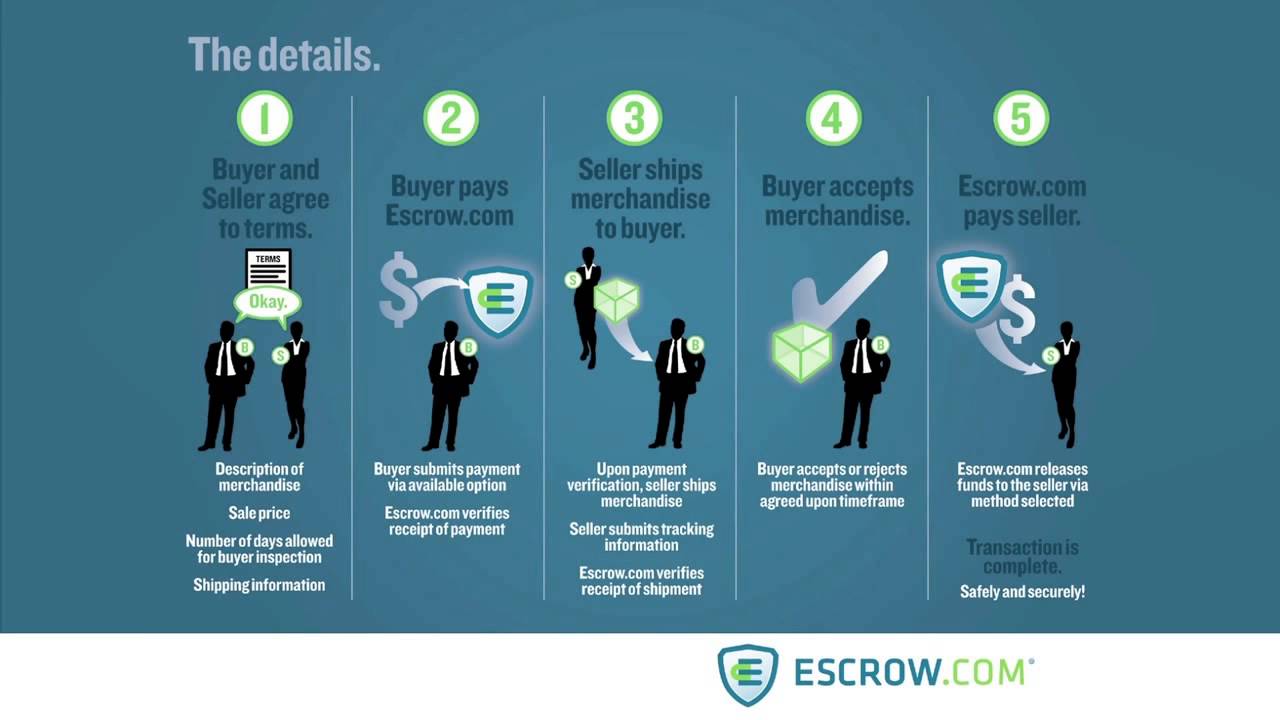
    An escrow bank account is a secure financial arrangement where a third party holds funds until a specific condition is met, providing protection to both the buyer and seller. In this type of account, the funds are kept separate from the buyer’s and seller’s personal accounts until the agreed-upon terms are fulfilled, ensuring a smooth and trusted transaction process.

    It minimizes the risk of fraud or misappropriation of funds and is commonly used in real estate transactions and online purchases to ensure the safe transfer of funds and goods. By placing the funds in an escrow bank account, parties involved can have peace of mind knowing that their transaction is secure and will only be completed once all parties meet their obligations.

    Definition And Purpose Of An Escrow Bank Account

    An escrow bank account is a bank account where funds are held in trust by a neutral third party until a specific condition or event is met. This type of account provides security for both the buyer and the seller in a transaction.

    The definition of an escrow bank account is that it serves as a temporary depository for funds during a real estate or business transaction. The purpose of an escrow bank account is to hold funds until all the terms of the agreement are fulfilled.

    This ensures that the seller receives payment and the buyer receives the property or services agreed upon. An escrow bank account acts as a safeguard, preventing any party from being defrauded or losing money. It provides a mutually beneficial arrangement for all parties involved, ensuring a smooth and secure transaction.

    Escrow Bank Account

    Credit: www.usbank.com

    How Does An Escrow Bank Account Work?

    An escrow bank account is a financial arrangement where a neutral third party holds funds until certain conditions are met. This ensures a secure transaction between the buyer and seller. The account is set up by the parties involved, including the buyer, seller, and sometimes a broker or attorney.

    In this account, the funds are deposited and held until all the terms of the agreement are fulfilled. The steps to set up an escrow bank account involve opening an account with a trusted bank, submitting necessary documentation, agreeing to the terms and conditions, and funding the account.

    This arrangement offers protection to both the buyer and seller, ensuring that the money and assets are handled properly. With an escrow bank account, transactions can proceed smoothly, providing peace of mind to all parties involved.

    Assurance Of Payment Security

    Escrow bank accounts provide assurance of payment security for both buyers and sellers. Buyers are protected as their funds are held securely in escrow until the agreed-upon conditions are met. This ensures that the buyer’s money is not released until they have received the goods or services as promised.

    Sellers also benefit from the protection offered by escrow bank accounts. They can be confident that they will receive payment once the buyer has confirmed their satisfaction with the transaction. This eliminates the risk of non-payment or fraudulent chargebacks. With an escrow bank account, both parties can engage in transactions with peace of mind, knowing that their financial interests are protected.

    Facilitation Of Transactions

    An escrow bank account serves to facilitate large financial transactions by ensuring timely payments. The account acts as a neutral third party, holding funds until all the terms of the transaction are met. By using an escrow bank account, both the buyer and seller can be confident in the secure handling of their funds.

    This arrangement eliminates the need for trust between the parties involved, as the account ensures that the payment is made only when the agreed-upon conditions are fulfilled. Whether it’s a real estate purchase, business acquisition, or any other significant monetary exchange, an escrow bank account is a valuable tool that streamlines the transaction process and protects the interests of all parties involved.

    Choosing The Right Bank

    Choosing the right bank for your escrow bank account requires thorough research on different banks and considering their fees and services. Look for a bank that offers competitive rates and low fees. Compare the services provided, such as online banking, customer support, and ease of transferring funds.

    Additionally, read reviews and seek recommendations from trusted sources to ensure the bank has a good reputation. Moreover, consider the bank’s location and accessibility, as well as any additional features that may be beneficial for your specific needs. By doing your due diligence and considering all these factors, you can find the right bank to establish an escrow bank account that meets your requirements and provides a positive banking experience.

    Meeting The Bank’S Requirements

    Meeting the bank’s requirements for an escrow bank account involves gathering the necessary documents. These include proof of identity and address, financial statements, and legal agreements. The bank will set a minimum deposit and balance to be maintained in the account.

    It’s important to have these funds readily available to ensure smooth transactions. By providing the required documentation and meeting the bank’s financial obligations, individuals and businesses can establish an escrow bank account to secure their funds and carry out important financial transactions with confidence.

    The bank will guide customers throughout the process, ensuring compliance with all necessary regulations. Establishing an escrow bank account offers peace of mind and facilitates secure financial transactions for both parties involved.

    Setting Up The Account

    Setting up an escrow bank account is a straightforward process that requires submitting an application. The account opening process usually involves filling out the necessary forms and providing the required documentation. Once you have completed the application, it is important to review it for accuracy before submitting it to the bank.

    The bank may also require additional information or clarification, which you should promptly provide to avoid any delays in the account setup. The bank will then review your application and documentation, and if everything is in order, they will open the escrow account for you.

    It is crucial to follow all the instructions provided by the bank and ensure that all the necessary details are included in your application to expedite the account opening process.

    Frequently Asked Questions For Escrow Bank Account

    What Is The Difference Between An Escrow Account And A Regular Bank Account?

    An escrow account is used for holding funds during a real estate transaction, while a regular bank account is for general banking purposes.

    Who Owns The Money In An Escrow Account?

    The money in an escrow account is owned by the parties involved in the transaction.

    Can I Open An Escrow Account With My Bank?

    Yes, you can open an escrow account at your bank.

    Is An Escrow Account Good Or Bad?

    An escrow account can be beneficial as it acts as a safe and neutral entity for financial transactions.

    Conclusion

    An escrow bank account is a vital tool in the world of financial transactions. It provides peace of mind for both parties involved in a transaction by ensuring the safekeeping and proper distribution of funds. With an escrow bank account, buyers can feel confident that their money is secure, while sellers can trust that they will receive payment once all conditions are met.

    This type of account also acts as a neutral third party, protecting both parties from fraudulent activity and facilitating a smooth transaction process. Whether you are buying or selling real estate, engaging in online transactions, or participating in mergers and acquisitions, an escrow bank account is an essential tool to consider.

    By following the guidelines of a secure escrow process, you can minimize risks and streamline your financial transactions. So, don’t hesitate to explore the benefits of an escrow bank account for your next transaction.


  • 10 Personal Finance Podcasts to Supercharge You

    The world of podcasts has witnessed explosive growth, and this surge extends to the realm of personal finance and investing. With the podcast landscape now offering a wealth of knowledge, it’s easier than ever to bolster your financial literacy. Whether you’re looking to create your first budget, manage debt effectively, plan for retirement, or navigate the complexities of home buying, we’ve compiled a list of the top 10 personal finance podcasts to supercharge your financial wisdom. Let’s dive in!

    Podcast

    A podcast is a digital audio or video program that is made available on the internet for streaming or downloading. Podcasts cover a wide range of topics, including news, entertainment, education, and more. Listeners can subscribe to podcasts and receive new episodes automatically, making them a convenient and portable way to consume content.

    Personal Finance Podcasts

    Personal finance podcasts are audio programs or shows that focus on providing information, advice, and insights related to managing one’s personal finances. These podcasts cover a wide range of topics related to individual financial well-being, including budgeting, saving, investing, debt management, retirement planning, real estate, and various aspects of financial literacy.

    The primary goal of personal finance podcasts is to educate and empower listeners to make informed financial decisions and improve their financial literacy. They often feature financial experts, industry professionals, and individuals with expertise in specific areas of personal finance as hosts or guests.

    Listeners can access these podcasts through various podcast platforms and streaming services, making it convenient to learn about personal finance on the go. Personal finance podcasts provide valuable tips, strategies, and real-world examples to help individuals achieve their financial goals and build a more secure financial future.

    Dave Ramsey’s “The Ramsey Show”

    • Episode release date: Every weekday
    • Average episode duration: Three 40-minute episodes per weekday.

    Dave Ramsey is a household name when it comes to personal finance. In his daily radio and podcast show, he serves as a beacon of financial hope for those seeking guidance on debt management and building a secure financial future. With an emphasis on simplicity, Ramsey offers actionable advice and answers questions from callers, making personal finance and money management accessible to everyone.

    “The Clark Howard Podcast”

    • Episode release date: Weekdays
    • Average episode duration: 30-40 minutes

    Clark Howard, a nationally syndicated radio talk show host and consumer reporter, empowers listeners to take control of their personal finances. With his wealth of experience, he provides money-saving tips, consumer advice, and the latest economic news to help you achieve financial freedom. His practical advice is aimed at helping you save money and avoid common financial pitfalls.

    “Women and Money” with Suze Orman

    • Episode release date: Sundays and Thursdays
    • Average episode duration: 20-30 minutes

    Suze Orman, with over 40 years of financial expertise, offers a unique perspective on personal finance. She believes that money isn’t just about numbers; it’s a tool for achieving a full and meaningful life. Orman encourages listeners to look inward and take control of their financial destiny, emphasizing the importance of aligning money with personal values.

    “So Money” with Farnoosh Torabi

    • Episode release date: Mondays, Wednesdays, and Fridays
    • Average episode duration: 30 minutes

    Farnoosh Torabi, a financial correspondent, author, and TV personality, engages in candid conversations about money strategies with some of the world’s leading business minds and influencers. Her guests include luminaries like Arianna Huffington, Seth Godin, and Margaret Cho. On Fridays, Torabi addresses listeners’ money questions in her #AskFarnoosh segment.

    “BiggerPockets Money”

    • Episode release date: Mondays
    • Average episode duration: Longer than 60 minutes

    Mindy Jensen and Scott Trench, financial experts, interview thought leaders about strategies to earn more, spend smarter, and grow wealth. “BiggerPockets Money” provides listeners with valuable tips and actionable advice to put their “financial house” in order, ensuring a secure financial future.

    “Afford Anything” with Paula Pant

    • Episode release date: Twice a week (days vary)
    • Average episode duration: Longer than 60 minutes (except for PSA Thursday episodes)

    Paula Pant, the host of “Afford Anything,” interviews a diverse range of guests, including entrepreneurs, early retirees, millionaires, and investors. Her focus is on helping listeners make informed daily decisions about money, time, energy, focus, and attention. In a world of choices, she emphasizes that while you can afford anything, you can’t afford everything.

    “The Money Guy Show”

    • Episode release date: Sundays
    • Average episode duration: 60 minutes

    Brian Preston and Bo Hanson, both financial planners and wealth managers, guide listeners in making wise financial decisions. They explore practical personal finance topics such as getting a good deal on a car and strategies to “election-proof” your finances.

    “Optimal Finance Daily”

    • Episode release date: Daily
    • Average episode duration: 10 minutes

    Hosts Diania Merriam and Dan Weinberg simplify money management by narrating some of the best personal finance blogs. Their podcast aims to provide listeners with tips and insights to optimize their financial lives, covering essential topics like budgeting, investing, and financial independence.

    “Money for the Rest of Us” with J. David Stein

    • Episode release date: Wednesdays
    • Average episode duration: 30 minutes

    J. David Stein, a former chief investment strategist and money manager, explores all things money-related. He delves into how money works, how to invest it wisely, and how to live without constant financial worries. Stein’s goal is to simplify financial concepts and empower listeners to make informed financial decisions.

    “Planet Money”

    • Episode release date: Wednesdays and Fridays
    • Average episode duration: 15 to 30 minutes

    “Planet Money,” an NPR production, breaks down complex economic and financial topics in a creative and engaging way. This twice-weekly podcast explains the economy’s intricacies and offers insights into personal finance. Hosts Amanda Aronczyk, Mary Childs, Jacob Goldstein, and Robert Smith ensure that economic topics are approachable and easy to understand.

    Conclusion

    In this digital age, enhancing your financial literacy is just a click away. These top 10 personal finance podcasts cover a wide range of topics, from debt management to investing and achieving financial freedom. By exploring these podcasts, you can gain valuable insights and practical advice to navigate your financial journey successfully.

    For those hungry for more financial wisdom, there are many other notable personal finance podcasts and resources available to expand your financial knowledge further. Dive into the world of podcasts, and let them become your trusted companions on your journey to financial well-being.

  • AML/CFT Compliance as a career

    In today’s rapidly evolving global financial landscape, the demand for professionals skilled in Anti-Money Laundering (AML) and Combatting the Financing of Terrorism (CFT) compliance has reached unprecedented levels. Regulatory requirements have become more stringent and complex in response to the increasing sophistication of criminal activities. Financial institutions and corporations now place a premium on compliance, risk mitigation, and ethical behavior. This has transformed AML/CFT compliance into a highly sought-after and rewarding career path with global reach. In this blog post, we will explore why individuals should consider a profession in AML/CFT compliance, the prerequisites for pursuing this career, and the rewarding aspects it offers.

    What Does AML/CFT Compliance Involve?

    Defining AML and CFT Compliance

    Anti-Money Laundering (AML) and Combatting the Financing of Terrorism (CFT) compliance are critical components of the global effort to combat financial crimes.

    • AML Compliance primarily focuses on preventing money laundering, which is the process of making illegally obtained funds appear legitimate by funneling them through various transactions or financial institutions. AML compliance measures aim to detect and report suspicious financial activities that may be indicative of money laundering.
    • CFT Compliance is centered around preventing the financing of terrorism, which involves providing financial support to terrorist organizations or individuals. CFT measures are designed to identify and disrupt the flow of funds that may be used to carry out acts of terrorism.

    Understanding the Importance of Regulatory Compliance

    The financial sector is highly regulated due to its vulnerability to criminal exploitation. Regulatory authorities around the world impose stringent AML and CFT requirements on financial institutions, businesses, and even non-profit organizations. These regulations are designed to:

    • Identify and report suspicious transactions
    • Verify the identity of customers and beneficial owners
    • Maintain comprehensive records of transactions
    • Conduct risk assessments to detect vulnerabilities
    • Implement robust internal controls and compliance programs

    Failure to adhere to these regulations can result in severe consequences, including hefty fines, legal actions, reputational damage, and loss of business licenses. Moreover, non-compliance can have far-reaching consequences, as it can contribute to the funding of criminal activities and terrorism.

    The Role of AML/CFT Professionals

    Professionals in AML/CFT compliance play a pivotal role in ensuring that organizations adhere to these regulations and prevent financial crimes. Their responsibilities include:

    • Risk Assessment: Conducting risk assessments to identify and evaluate the potential risks associated with a company’s operations and customer base.
    • Transaction Monitoring: Implementing systems and procedures to monitor transactions for unusual or suspicious activity.
    • Customer Due Diligence (CDD): Verifying the identity of customers and conducting background checks to determine the legitimacy of their financial transactions.
    • Suspicious Activity Reporting: Identifying and reporting suspicious transactions to relevant authorities, such as Financial Intelligence Units (FIUs).
    • Training and Education: Ensuring that employees are well-informed about AML/CFT regulations and compliance procedures.
    • Internal Investigations: Conducting internal investigations into potential compliance breaches and recommending corrective actions.

    Examples of Illicit Activities and Consequences of Non-Compliance

    AML and CFT compliance are crucial because they help prevent a wide range of financial crimes, such as:

    • Money Laundering: Criminals attempt to legitimize illegally obtained funds by funneling them through legitimate financial systems. Non-compliance can result in the unwitting facilitation of these activities.
    • Terrorist Financing: Non-compliance can enable the flow of funds to terrorist organizations, allowing them to carry out acts of violence and instability.
    • Fraud: Failure to identify and report fraudulent activities can lead to financial losses and damage an organization’s reputation.
    • Corruption: Money laundering often accompanies corrupt practices, such as bribes and embezzlement.
    • Drug Trafficking: Criminal organizations often rely on money laundering to hide the proceeds of drug trafficking.

    Why Opt for a Profession in AML/CFT Compliance?

    Opting for a profession in Anti-Money Laundering (AML) and Combatting the Financing of Terrorism (CFT) compliance offers numerous compelling reasons:

    1. High Demand and Job Security: AML/CFT regulations have become increasingly stringent in response to evolving financial crimes. Financial institutions, corporations, and government agencies are continuously seeking skilled professionals to ensure compliance. This high demand translates into job security and career stability.
    2. Impactful Work: AML/CFT professionals play a pivotal role in safeguarding the financial system from illicit activities that fund terrorism and organized crime. Every success in this field contributes to the security and fairness of the global financial system and protects society from the negative consequences of financial crime.
    3. Global Reach: AML/CFT compliance is not limited by geographic boundaries. It offers a career with global reach, allowing professionals to work in various countries and collaborate with international counterparts. This global perspective can be intellectually stimulating and culturally enriching.
    4. Intellectual Challenge: The field is dynamic and ever-evolving, requiring professionals to stay updated on regulatory changes, emerging threats, and new technologies. This intellectual challenge keeps the work engaging and encourages continuous learning.
    5. Cross-Functional Collaboration: Compliance officers work closely with multiple departments within organizations, including legal, risk, operations, and human resources. This cross-functional collaboration provides a comprehensive understanding of an organization’s operations and regulatory environment, fostering a well-rounded skill set.
    6. Ethical Fulfillment: A career in AML/CFT compliance offers the satisfaction of knowing that your work contributes to the ethical operation of the financial sector. By preventing financial crimes and ensuring adherence to regulations, you help maintain the integrity of financial systems.
    7. Competitive Compensation: Due to the specialized nature of AML/CFT compliance and the demand for expertise, professionals in this field often enjoy competitive compensation packages and opportunities for career advancement.
    8. Diverse Career Paths: AML/CFT compliance opens doors to diverse career paths within the financial industry, including roles in risk management, regulatory affairs, internal audit, and legal compliance. This diversity allows professionals to explore different aspects of the financial sector.
    9. Constantly Evolving Field: The AML/CFT landscape is continuously evolving, driven by changes in technology, financial products, and global regulations. This means that professionals in this field are always adapting and staying ahead of new challenges.
    10. Global Reputation: AML/CFT professionals are respected for their commitment to ethical financial practices and their role in ensuring the integrity of the international financial system. This can enhance your professional reputation within the financial industry.

    How to Pursue a Profession in AML/CFT Compliance

    Pursuing a profession in Anti-Money Laundering (AML) and Combatting the Financing of Terrorism (CFT) compliance requires a combination of education, experience, certifications, and networking. Here are the steps to help you pursue a career in this field:

    1. Educational Foundation:
      • Choose a Relevant Degree: Start by pursuing a bachelor’s degree in a related field such as finance, law, accounting, business management, or economics. These fields provide a solid foundation for understanding financial systems, regulations, and compliance.
      • Consider Advanced Education: Although not always required, obtaining a master’s degree or further education in AML/CFT or a related field can set you apart and deepen your expertise.
    2. Gain Practical Experience:
      • Entry-Level Positions: Begin your career by seeking entry-level positions in compliance, risk management, or legal departments of financial institutions, government agencies, or corporations. These roles will help you develop a practical understanding of AML/CFT regulations and their application.
      • Internships: If you’re a student or recent graduate, consider internships in AML/CFT compliance departments. Internships provide hands-on experience and networking opportunities.
    3. Certifications:
      • Obtain AML/CFT Certifications: Earning certifications specific to AML/CFT compliance can significantly enhance your qualifications. Some recognized certifications include:
        • Certified Anti-Money Laundering Specialist (CAMS)
        • Certified Financial Crime Specialist (CFCS)
        • Certified Global Sanction Specialist (CGSS)
        • Certified Fraud Examiner (CFE)
      • Continuing Education: Keep your certifications current by participating in ongoing training and education to stay informed about regulatory changes and best practices.
    4. Networking:
      • Join Industry Associations: Become a member of industry associations and organizations related to AML/CFT compliance. These groups provide networking opportunities, access to resources, and the chance to stay updated on industry trends.
      • Attend Conferences and Seminars: Participate in AML/CFT conferences, seminars, and workshops to connect with professionals in the field, learn from experts, and gain insights into the latest developments.
      • LinkedIn and Online Forums: Create a strong professional presence on LinkedIn and participate in online forums and discussions related to AML/CFT compliance. Engaging in online communities can help you build connections and share knowledge.
    5. Job Search:
      • Leverage Job Boards: Utilize job search websites and platforms specific to finance and compliance to find relevant job openings.
      • Utilize Career Services: If you’re a student or recent graduate, take advantage of your university’s career services office for job placement assistance and guidance.
      • Tailor Your Resume: Customize your resume and cover letter to highlight your relevant skills, certifications, and experience in AML/CFT compliance.
    6. Prepare for Interviews:
      • Research the Organization: Thoroughly research the prospective employer to understand their specific AML/CFT compliance needs and priorities.
      • Behavioral Questions: Be prepared for behavioral interview questions that assess your problem-solving abilities, ethical judgment, and compliance knowledge.
    7. Continuous Learning:
      • Stay up-to-date with regulatory changes, industry trends, and emerging technologies in the AML/CFT field through continuous learning and professional development.
    8. Ethical Mindset:
      • Approach your career in AML/CFT compliance with a strong ethical mindset. Emphasize the importance of integrity, transparency, and adherence to regulations in your work.

    By following these steps and continually building your knowledge and expertise, you can pursue a rewarding and impactful profession in AML/CFT compliance. This career path not only offers job security but also provides the opportunity to contribute to the ethical operation of the global financial system.

    Is a Career in AML/CFT Compliance Rewarding?

    Beyond the competitive compensation and job security that AML/CFT compliance offers, it’s essential to consider the moral implications of this career. Every success in this field contributes to the security and fairness of the global financial system, protecting society from the harmful consequences of financial crime.

    Emphasizing Ethical Fulfillment and Societal Impact

    A career in AML/CFT compliance offers immense ethical fulfillment. Compliance professionals are the frontline defenders against financial crimes that fund terrorism and enable criminal activities. Each successful compliance effort contributes to the security and fairness of the global financial system and helps protect society from the negative consequences of financial crime.

    Highlighting the Intellectual Challenge and Continuous Learning

    The AML/CFT field is dynamic and ever-evolving. Professionals must stay updated on regulatory changes, emerging threats, and new technologies. This intellectual challenge keeps the work engaging and encourages continuous learning and growth. It provides opportunities to develop expertise in a rapidly changing field.

    Discussing the Potential for Career Advancement and Competitive Compensation

    Due to the specialized nature of AML/CFT compliance and its growing importance, professionals in this field often enjoy opportunities for career advancement. This can include moving into senior compliance roles, management positions, or even consulting. Organizations are willing to offer competitive compensation packages to attract and retain top talent, providing financial stability and career progression.

    Balancing the Rewards with Challenges and Responsibilities

    While the rewards of a career in AML/CFT compliance are substantial, it’s essential to acknowledge the challenges and responsibilities that come with the territory. Compliance professionals must remain vigilant, adhere to strict ethical standards, and continuously adapt to the evolving regulatory landscape to ensure their efforts remain effective. However, the sense of purpose and societal impact make these challenges worthwhile for those committed to maintaining ethical financial practices.

    FAQs

    Is AML a difficult job?

    AML (Anti-Money Laundering) is indeed a challenging job, requiring a unique blend of skills and responsibilities. Compliance professionals in AML must navigate complex regulations, stay abreast of ever-evolving financial crime tactics, and meticulously scrutinize vast volumes of financial data. They must possess a keen eye for detail, analytical prowess, and the ability to detect subtle patterns that may indicate money laundering or terrorist financing.

    Furthermore, AML professionals must communicate effectively, both internally and with regulatory bodies, to ensure that their organizations are in compliance. The job carries significant responsibilities, as overlooking suspicious activities can result in severe legal and financial consequences for their institutions. Despite its challenges, a career in AML can be highly rewarding, offering a sense of purpose in safeguarding the integrity of the financial system and protecting society from the harmful effects of financial crime.

    Who benefits from AML?

    Anti-Money Laundering initiatives primarily benefit society and the global financial system by combatting illicit financial activities. These regulations and efforts prevent criminals from laundering their ill-gotten gains, financing terrorism, and engaging in other forms of financial crime. As a result, AML measures protect the integrity and stability of financial institutions, maintain investor confidence, and ensure fair and transparent financial markets. Additionally, AML compliance benefits governments and law enforcement agencies by providing valuable information to investigate and prosecute financial criminals. Ultimately, AML benefits everyone by fostering trust in the financial sector, promoting ethical financial practices, and contributing to a safer, more secure global economy.

    Is AML slow-growing or fast-growing?

    AML is a fast-growing field. Over the past few decades, the complexity of financial crimes and the global regulatory landscape have evolved significantly. This has led to an increased demand for professionals skilled in AML compliance across various industries, including banking, finance, and even technology. The ongoing emergence of new threats, regulatory changes, and the integration of advanced technologies like artificial intelligence and blockchain further fuel the rapid growth of AML as organizations prioritize compliance to combat financial crimes and maintain their reputations.

    Is AML compliance a good career?

    A career in AML (Anti-Money Laundering) compliance is a rewarding and highly regarded choice. It offers job security, competitive compensation, and the satisfaction of preventing financial crimes that fund illegal activities. AML professionals play a vital role in ensuring the integrity of the financial system, making it an ethical and impactful career. However, it comes with challenges such as evolving regulations and the need for continuous learning. For those who value ethics, intellectual stimulation, and a sense of purpose, AML compliance is an excellent career path with global relevance.

    In Conclusion

    A career in AML/CFT compliance is both challenging and rewarding. It demands a combination of knowledge, skills, and dedication. However, if you are inquisitive, diligent, and seeking a profession with a significant impact on society, AML/CFT compliance could be your ideal career choice. It offers the opportunity to be at the forefront of regulatory developments, shape ethical financial practices, and contribute to the security of the global financial system.

  • Auto Escrow Services

    Auto Escrow Services

    Auto Escrow Services are secure payment platforms that protect buyers and sellers during vehicle transactions. They offer a safe and reliable way to facilitate payments, ensuring that both parties are protected against fraud.

    An auto escrow service acts as a neutral third party, holding the funds until the transaction is complete and verified. This eliminates the risk of payment-related scams and provides peace of mind for buyers and sellers alike. With the increasing popularity of online car sales, auto escrow services have become an essential tool for ensuring safe and hassle-free transactions.

    By using an auto escrow service, both buyers and sellers can confidently complete their transactions, knowing that their funds are secure and their interests are protected.

    Understanding Auto Escrow Services

    Auto escrow services are an essential aspect of understanding the vehicle purchase process. These services protect buyers from potential scams, fraud, and financial losses. By simplifying the buying process, auto escrow services offer peace of mind to buyers. They act as intermediaries, holding the payment for the vehicle until all necessary paperwork has been completed and the vehicle is delivered.

    This ensures that both parties are protected, and the transaction is conducted securely. Auto escrow services are particularly beneficial for online vehicle purchases, where buyers may not have the opportunity to physically inspect the vehicle before making a payment. Overall, auto escrow services provide a valuable service that eliminates the risks often associated with vehicle purchases, allowing buyers to feel confident and secure throughout the process.

    Auto Escrow Services

    Credit: www.marlog-car-handling.com

    How Auto Escrow Services Work

    Auto escrow services work by following a step-by-step process to ensure a smooth transaction. First, the buyer and seller negotiate the deal and agree on a price. Then, an escrow account is set up to hold the funds securely. In the next step, the vehicle undergoes a thorough inspection to verify its condition, while ownership documents are authenticated.

    Once the inspection is complete, the funds are transferred into the escrow account. After that, the vehicle transfer and delivery are planned, ensuring the process is safe and timely. Finally, the sale is finalized by completing the legal transfer of ownership, and the funds are released to the seller.

    Auto escrow services provide a secure and reliable way to buy or sell vehicles, protecting both parties throughout the transaction.

    Benefits Of Using Auto Escrow Services

    Using auto escrow services offers numerous benefits, ensuring protection for both buyers and sellers. These services minimize the risk of fraudulent activities by providing a neutral third party mediation. By streamlining the buying process, they handle all necessary documentation and payments, facilitating a secure transaction.

    Auto escrow services offer peace of mind, as they protect against non-delivery or misrepresentation. They effectively reduce the stress associated with buying a vehicle, offering a reliable and convenient solution. With the help of these services, buyers and sellers can safely engage in transactions, without worrying about scams or possible disputes.

    Auto escrow services are a valuable resource for anyone looking to purchase or sell a vehicle, providing a secure and trustworthy platform for transactions.

    Choosing The Right Auto Escrow Service

    Choosing the right auto escrow service is crucial. Reputation and experience play a significant role. Be sure to check customer reviews and testimonials. Assess the company’s track record to ensure reliability. Security measures and insurance are essential factors. Understand the security protocols in place for your peace of mind.

    Verify insurance coverage to safeguard your investment. Fees and pricing should be carefully considered. Compare service costs and fees to make an informed decision. Ensure transparency in the pricing structure to avoid hidden charges. Look for excellent customer support and clear communication channels.

    Live support availability and timely communication are essential for a smooth auto escrow process.

    Frequently Asked Questions Of Auto Escrow Services

    How Does Car Escrow Work?

    Car escrow works by holding funds in a secure account until the car transaction is completed, protecting both the buyer and seller.

    How Do I Set Up An Escrow Account For My Car?

    To set up an escrow account for your car, follow these steps: 1. Research reputable escrow companies online. 2. Choose a company that specializes in automotive escrow services. 3. Contact the chosen company and provide them with the necessary information. 4.

    Follow their instructions to complete the setup process.

    What Is The Best Escrow System?

    The best escrow system is the one that offers secure transactions, reliable customer support, and transparent fees.

    How Much Does It Cost To Set Up An Escrow Account?

    The cost of setting up an escrow account can vary depending on the provider.

    Conclusion

    Auto escrow services are an essential tool for both buyers and sellers in the automotive industry. With their secure payment systems and streamlined processes, they offer peace of mind and protection against fraud. Whether you are purchasing a vehicle from another state or selling your car to a stranger, auto escrow services facilitate safe and smooth transactions.

    By acting as a neutral third party, they ensure that both parties fulfill their obligations and that the transaction is completed successfully. Additionally, auto escrow services can save time and money by handling all the necessary paperwork and documentation. With their seamless integration of technology and personal customer service, they have revolutionized the way automotive transactions are conducted.

    So, whether you are a buyer or a seller, consider using an auto escrow service to protect your investment and ensure a hassle-free experience.

  • Who is the Largest Robo-Advisor?

    Who is the Largest Robo-Advisor?

    Vanguard is the largest robo-advisor in the industry. It offers a range of low-cost investment options.

    With the rise of technology and the increasing popularity of online investment platforms, robo-advisors have become a popular choice for investors looking for a convenient and affordable way to manage their portfolios. Amongst these robo-advisors, vanguard stands out as the largest player in the market.

    Vanguard provides a wide range of investment options, including exchange-traded funds (etfs) and mutual funds, allowing investors to choose the strategy that best aligns with their financial goals. Additionally, vanguard offers personalized advice based on individual investor profiles and goals, ensuring that clients receive tailored recommendations. With its extensive range of investment options and personalized advice, vanguard continues to dominate the robo-advisor space as the largest provider in the industry.

    Who is the Largest Robo-Advisor?

    Credit: www.insiderintelligence.com

    The Growing Popularity Of Robo-Advisors

    Robo-advisors are gaining immense popularity in the investment industry, thanks to their numerous benefits. These automated platforms are revolutionizing the way individuals invest their money. One of the key advantages of robo-advisors is their accessibility, making them attractive to both beginner and seasoned investors.

    Retail investors, in particular, are increasingly embracing this technology, recognizing the convenience and affordability it offers. These platforms have witnessed a significant rise in recent years, as more people are opting for the convenience and efficiency they provide. With the use of algorithms and data analysis, robo-advisors can provide personalized investment recommendations tailored to individual goals and risk tolerance.

    As the demand for automated investment solutions grows, the competition among robo-advisory platforms intensifies, leading to continuous improvements and innovation in this field. Overall, robo-advisors have emerged as an efficient and cost-effective alternative for investors looking to navigate the complex world of investing.

    The Top Players In The Robo-Advisor Industry

    The robo-advisor industry boasts several top players, each with its own unique offerings. These platforms provide an overview of the largest robo-advisors, comparing their key features and services. Additionally, they dive deep into the investment strategies adopted by these industry leaders.

    From algorithm-powered advice to low-cost investing, the largest robo-advisors cater to a wide range of investors. Through streamlined platforms and user-friendly interfaces, these players revolutionize the way individuals invest their money. With personalized portfolios and automated management, these robo-advisors make investing accessible to both seasoned investors and those just starting out.

    Whether you prioritize socially responsible investing or seek diversification, exploring the largest robo-advisors can help you find the platform that aligns with your investing goals. Discover the top players in this rapidly evolving industry and make informed investment decisions based on the information provided by these platforms.

    Company A: Leading The Market

    Company a, the largest robo-advisor in the market, has gained prominence due to its impressive background and history. With substantial assets under management (aum) and a high growth rate, company a has positioned itself as a leader in the industry.

    What sets this company apart is its unique investment approach and advanced algorithms. Unlike others, company a takes a distinct approach to investing, utilizing cutting-edge algorithms to provide personalized recommendations to its clients. These algorithms analyze vast amounts of data, enabling company a to offer tailored investment strategies that align with each individual’s financial goals and risk tolerance.

    This combination of a strong track record, innovative investment approach, and advanced technology has earned company a its position as the largest robo-advisor in the market.

    Company B: Gaining Momentum

    Company b is rapidly gaining momentum in the robo-advisor industry. With its emerging presence and expanding market share, it is becoming a formidable competitor. One of the key factors that sets company b apart is its unique approach to target audience.

    Unlike other robo-advisors, it focuses on a specific niche, catering to a particular group of investors. This strategic differentiation allows company b to deliver personalized investment solutions and better meet the needs of its target customers. As a result, it has been successful in attracting a loyal client base.

    With its impressive growth and innovative strategies, company b stands out as one of the largest and most promising robo-advisors in the market today.

    Company C: Disrupting The Status Quo

    Company c is a disruptor in the robo-advisor industry, challenging the established players. Their innovative features and technologies set them apart from the competition. With their expansion into new markets, company c is poised for growth. However, they also face challenges in this rapidly evolving landscape.

    Despite these hurdles, the future prospects look promising for company c as they continue to innovate and provide cutting-edge solutions to their clients. Their ability to adapt and stay ahead of the trends will determine their success in the long run.

    As the largest robo-advisor, company c has a responsibility to keep pushing the boundaries and revolutionize the industry.

    The Factors Influencing Robo-Advisor Rankings

    The largest robo-advisors are determined by several key factors. These include aum, customer base, and market share. Evaluating performance and customer satisfaction is also crucial in determining their rankings. Aum, or assets under management, reflects the total value of investments managed by a robo-advisor.

    The higher the aum, the larger the robo-advisor. Additionally, the number of customers a robo-advisor has can be an indicator of its reach and popularity. Market share, which measures the proportion of the market controlled by a specific robo-advisor, also plays a significant role in determining its size.

    Finally, the performance of a robo-advisor and the satisfaction of its customers are important factors to consider. These criteria collectively help in identifying the largest robo-advisors and assessing their standing in the market.

    Aum Vs. Market Share

    Aum, or assets under management, serves as a significant measure of a robo-advisor’s size. By examining the relationship between aum and market share, we can better understand the influence and growth of these financial platforms. Aum reflects the total value of assets managed by a robo-advisor, indicating its reach and market presence.

    Market share, on the other hand, illustrates the portion of the market controlled by a specific robo-advisor. As aum increases, it often leads to a larger market share as more investors are drawn to the platform’s offerings. Understanding the importance of aum as a measure of size helps in assessing the prominence and success of different robo-advisors.

    It allows potential investors to evaluate the reliability and impact of these financial services in the ever-changing investment landscape.

    Customer Base And Growth Rate

    With its massive customer base and impressive growth rate, the largest robo-advisor is undoubtedly dominating the market. The significance of a strong customer base cannot be overstated. To achieve this, firms employ various strategies to not only attract but also retain customers.

    This entails providing exceptional services, personalized investment options, and a seamless user experience. The impact of continuous customer growth is evident as it solidifies a robo-advisor’s position as a market leader, enhancing its credibility and attracting potential investors. A growing customer base also allows for economies of scale, resulting in cost efficiencies and improved profitability.

    Ultimately, the robo-advisor that can effectively capture and retain customers will establish market dominance and secure its position as the industry’s largest player. As competition intensifies, offering exceptional value and continuously expanding the customer base become paramount for success.

    Performance And Customer Satisfaction

    Performance and customer satisfaction play a crucial role in determining the largest robo-advisor. Comparing returns and risk-adjusted performance metrics allows us to evaluate their performance. In addition, assessing customer satisfaction through reviews and ratings gives us insights into their service quality.

    These factors are important in ranking robo-advisors and determining their success in the market. By considering both performance and customer satisfaction, we can identify the robo-advisor that offers the best combination of returns and service quality. This analysis helps investors make informed decisions and choose the robo-advisor that aligns with their financial goals and preferences.

    Ultimately, the largest robo-advisor is the one that consistently delivers strong performance and meets the needs of its customers.

    The Future Of Robo-Advisors And Changing Landscape

    As the robo-advisor industry evolves, technological advancements are playing a crucial role in shaping its future. These advancements have allowed for more efficient and personalized investment management, attracting a growing number of investors. However, the industry is not without its challenges, particularly in terms of regulation.

    As governments seek to protect investors and ensure fair practices, robo-advisors must navigate a complex regulatory landscape. This has led to market consolidation, with smaller players facing heightened compliance costs. Looking ahead, predictions for the robo-advisor industry indicate continued growth and innovation, driven by advancements in artificial intelligence and machine learning.

    As investors become more comfortable with automated investment platforms, the landscape is expected to evolve further, with the largest robo-advisor likely to emerge as a dominant player in the market. Overall, the future of robo-advisors is poised for continued progress, but not without its share of challenges and opportunities.

    Conclusion And Key Takeaways

    The largest robo-advisors can be ranked based on key factors such as assets under management, clientele, and market share. Robo-advisors like betterment and wealthfront have consistently stood out in terms of size and growth. They boast billions of dollars in assets under management, catering to a diverse range of investors.

    Other players like charles schwab and vanguard also command a significant market presence. While size plays a crucial role in determining the largest robo-advisor, innovation and service offerings play a vital role in maintaining their rankings. The industry is constantly evolving, and robo-advisors must adapt to changing customer needs and demands.

    In the future, we can anticipate the integration of artificial intelligence and machine learning into these platforms, allowing for more personalized and efficient investment recommendations. As the industry expands, robo-advisors will likely continue to vie for the top spot while ensuring the delivery of high-quality services.

    Frequently Asked Questions

    Who Is The Largest Rob-Advisor?

    The largest robo-advisor by assets under management is betterment, with over $30 billion in aum. They have a user-friendly platform, low fees, and offer a range of investment options.

    How Does A Robo-Advisor Work?

    Robo-advisors use algorithms to create and manage investment portfolios. They assess your risk tolerance, time horizon, and financial goals to recommend a diversified portfolio of low-cost etfs. They automate the investment process and offer ongoing portfolio management.

    Are Robo-Advisors Safe?

    Yes, robo-advisors are generally safe. They use advanced security measures to protect your personal and financial information. Additionally, they adhere to regulatory standards and employ strategies to mitigate risks. However, like any investment, there is always a degree of risk involved.

    What Are The Advantages Of Using A Robo-Advisor?

    Robo-advisors offer several advantages. They provide low-cost investment solutions, usually with no minimum investment requirements. They offer diversification, personalized portfolio recommendations, and automated rebalancing. Additionally, they provide convenience and accessibility through user-friendly online platforms.

    Can I Trust Robo-Advisors With My Money?

    Robo-advisors are generally trustworthy with your money. They are regulated by financial authorities and operate under strict guidelines. They have a fiduciary responsibility to act in your best interest. However, it’s important to do your due diligence and choose a reputable robo-advisor with a proven track record.

    Conclusion

    Choosing the largest robo-advisor can be a daunting task, given the numerous options available in the market. However, by considering factors such as assets under management, customer base, and range of investment options, it becomes apparent that robo-advisor companies like betterment, wealthfront, and vanguard are some of the largest players in the industry.

    These firms have built a solid reputation for their comprehensive services, advanced technology, and user-friendly platforms. As investors increasingly seek automated investment solutions, it’s crucial to choose a robo-advisor that aligns with your financial goals and risk tolerance. By leveraging the power of technology and expert financial algorithms, these platforms can help individuals improve their investment strategies and achieve their long-term objectives.

    Whether you are a beginner investor or an experienced one, partnering with a reputable and sizable robo-advisor can provide the necessary tools and resources to navigate the complex world of investing with confidence.

  • Escrow Holdback for Repairs

    Escrow Holdback for Repairs

    Escrow holdback for repairs is an amount of money withheld from the seller’s proceeds to cover necessary repairs. In this arrangement, funds are set aside in a secure account until the repairs are completed.

    In real estate transactions, escrow holdback for repairs is a common practice where a portion of the seller’s funds is retained until necessary repairs are completed. Instead of resolving repair issues before closing the sale, this approach allows the buyer to handle the repairs after the purchase.

    The amount is usually agreed upon by both parties during negotiations and is held in a secure escrow account. Once the repairs are finished, the funds are released to cover the cost. This arrangement provides a level of protection for the buyer, ensuring that the necessary repairs are completed to their satisfaction.

    What Is Escrow Holdback?

    Escrow holdback refers to an arrangement where a portion of the proceeds from a real estate transaction is held in escrow to cover repairs. It acts as a form of protection for the buyer, ensuring that necessary repairs are completed after the closing of the sale.

    The definition of escrow holdback for repairs is essentially a financial tool that allows funds to be set aside in case repairs are needed. This way, the seller is not responsible for carrying out repairs prior to the closing date.

    The purpose of escrow holdback is to provide transparency and assurance to both parties involved in the transaction. For buyers, it offers peace of mind knowing that necessary repairs can be addressed without delays or additional costs. Sellers benefit from this arrangement as it protects them from potential disputes or claims related to repairs after the sale.

    Overall, escrow holdback is a useful tool that offers financial security and ensures a smooth real estate transaction process.

    Understanding Escrow Holdback For Repairs

    Escrow holdback for repairs is an important concept to understand in real estate transactions. It is a financial arrangement whereby a portion of the funds is set aside in an escrow account specifically for repairs. This helps ensure that any necessary repairs or renovations are completed before the property is transferred to the buyer.

    The amount of the holdback is typically determined based on various factors, such as the estimated cost of repairs and the agreement between the parties involved. Escrow holdback is often used instead of traditional repairs, as it offers a convenient and efficient solution for both buyers and sellers.

    By utilizing escrow holdback, buyers can have peace of mind knowing that any repairs needed will be taken care of, while sellers can streamline the selling process.

    https://www.youtube.com/watch?v=UkGNjr0CWgc

    The Escrow Holdback Process

    The escrow holdback process involves several steps to set up an escrow holdback for repairs. First, determining repair costs is essential. Once the costs are established, creating an escrow account is the next step. An escrow agreement is then drafted, including warranty provisions.

    The roles and responsibilities of the parties involved are clearly defined. The buyer has certain responsibilities, while the seller also has their own obligations. Additionally, the lender has specific responsibilities throughout the process. Following these guidelines ensures a smooth and efficient escrow holdback for repairs.

    Pros And Cons Of Escrow Holdback For Repairs

    Escrow holdback for repairs has its own set of pros and cons. In terms of advantages, it offers limited financial responsibility for buyers. This means that they don’t have to spend a hefty amount upfront for repairs. Additionally, escrow holdback provides flexibility in the timing of repairs.

    Buyers can negotiate when the repairs will be done, giving them more control. Moreover, it offers added protection for sellers. They can rest assured that the repairs will be completed before the property changes hands. On the flip side, there are a few disadvantages to consider.

    First, the closing process might be delayed due to the holdback. Second, there is a potential for disputes and difficulties surrounding the repairs. It’s important for both parties to clearly communicate and set expectations to avoid any complications. Ultimately, the decision to use escrow holdback for repairs should be carefully weighed based on individual circumstances.

    Tips For Negotiating Escrow Holdback For Repairs

    When negotiating escrow holdback for repairs, it is crucial to conduct thorough research on local real estate laws and regulations. By being aware of the specific guidelines and requirements, you can ensure a smooth negotiation process. Additionally, conducting a meticulous inspection of the property is essential to identify all repair needs accurately.

    This will help you determine the appropriate amount to be held in escrow for repairs. When setting the holdback amount, it is crucial to be reasonable and consider the scope of work required. Including the appropriate contract clauses is also vital to protect both parties involved.

    By following these tips, you can negotiate an escrow holdback for repairs successfully.

    Common Challenges And How To Resolve Them

    Disputes and disagreements often arise over repair issues, causing delays in completion and disbursement of escrow funds. Resolving these common challenges requires open communication and negotiation. Parties involved should address their concerns directly, seeking compromise and finding mutually agreeable solutions.

    By actively listening to each other’s perspectives, misunderstandings can be avoided. Prompt action is crucial in resolving disputes, as delayed decisions can prolong the process. Additionally, maintaining transparency throughout the repair process helps to build trust and alleviate concerns. Working together to find common ground and ensuring clear communication will ultimately lead to successful resolution of escrow holdback challenges.

    Remember, patience and understanding are key in navigating through these obstacles.

    Escrow Holdback Success Stories

    Escrow holdback for repairs has proven to be successful in various real-life scenarios. Both buyers and sellers have experienced higher satisfaction levels due to this approach. For instance, a buyer noticed several issues during the inspection, but the seller couldn’t afford to make the repairs upfront.

    By utilizing an escrow holdback, the buyer and seller agreed to set aside a portion of the purchase price to cover the necessary repairs. This allowed the transaction to proceed smoothly, with the funds securely held until the repairs were completed.

    In another case, the seller had already relocated and couldn’t oversee the repairs personally. With an escrow holdback, the seller felt reassured that the repairs would be completed by the buyer after closing. These success stories highlight the positive impact of escrow holdback on both buyer and seller satisfaction.

    Escrow Holdback for Repairs

    Credit: www.gcamortgage.com

    Frequently Asked Questions On Escrow Holdback For Repairs

    What Is The Average Escrow Holdback?

    The average escrow holdback is the amount of money withheld during a real estate transaction until certain conditions are met.

    What Does It Mean To Put Money In Escrow For Repairs?

    Putting money in escrow for repairs means setting aside funds to cover the costs of necessary repairs to a property.

    Who Holds Escrow Holdback Money?

    The escrow holdback money is held by the escrow agent until certain conditions are met.

    What Is An Example Of An Escrow Holdback?

    An example of an escrow holdback is when a portion of funds is withheld until certain conditions are met.

    Conclusion

    Escrow holdback for repairs provides a practical solution for homebuyers and sellers to address potential issues discovered during the inspection process. By setting aside funds in an escrow account, both parties can rest assured knowing that repairs will be handled smoothly and efficiently after the closing.

    This not only helps to streamline the transaction process but also brings peace of mind to all involved. One of the main advantages of using an escrow holdback is that it allows buyers to move forward with the purchase while still ensuring that necessary repairs are completed.

    This can be particularly beneficial in cases where time is of the essence, and buyers do not want to delay the closing process. By utilizing an escrow holdback, buyers can be confident that they are protected and that repairs will be addressed promptly.

    Furthermore, escrow holdbacks can also benefit sellers by providing a practical way to address repair requests. Rather than renegotiating the sales price or risking the deal falling through, a holdback ensures that repairs are taken care of without causing significant disruptions.

    Utilizing an escrow holdback for repairs is a practical solution that offers protection and peace of mind to both buyers and sellers. By addressing potential issues without delaying the closing process, this approach can help facilitate smoother transactions for all parties involved.