Author: MMP

  • What are the Economic Functions of Marriage in Sociology?

    What are the Economic Functions of Marriage in Sociology?

    In sociology, the economic functions of marriage encompass population growth and improved market demand. Marriage enables couples to procreate, leading to a larger labor force and higher productivity.

    Additionally, the increase in population directly corresponds to higher aggregate demand for goods and services, thus driving economic growth. This economic benefit is balanced by the opportunity cost of remaining single, as individuals forego the advantages of a solitary lifestyle.

    The economic aspects of marriage include transactions such as bride price, dowry, and exchange of goods. Overall, marriage plays a crucial role in promoting economic equality between genders and fulfilling individuals’ basic needs for safety, food, clothing, and shelter.

    What are the Economic Functions of Marriage in Sociology?

    Credit: www.britannica.com

    Economic Benefits Of Marriage

    Marriage is not only a social institution but also carries significant economic benefits. In sociology, the economic functions of marriage play a vital role in shaping societies and their economies. Understanding these functions can provide insights into the impact of marriage on population growth, labor availability, market demand, and overall economic growth.

    Population Growth And Labor Availability

    Marriages enable spouses to procreate as they strive to expand their families. This direct relationship between marriages and population growth is closely associated with a high fertility rate among spouses. As a result, high population growth leads to an increased availability of labor, which is a vital requirement in the production process. A larger labor force leads to economic growth and development, ensuring the smooth functioning of businesses and industries.

    Improved Market Demand And Economic Growth

    High population growth due to marriages creates a boost in consumption for various goods and services. The expansion of families leads to increased household spending, resulting in higher aggregate demand. This rise in demand is a significant contributor to economic growth and productivity, leading to an increase in gross domestic product. As a result, marriages play a crucial role in driving economic growth, ensuring market stability, and contributing to the overall development of societies.

    Relationship Between Marriages And Population Growth

    Marriage in sociology serves several economic functions, such as contributing to population growth by enabling spouses to procreate and expanding labor availability for the production process. Additionally, high population growth resulting from marriages stimulates market demand for goods and services, thereby driving economic growth.

    Marriages also involve an opportunity cost, as individuals give up the benefits of single life to assume family responsibilities.

    High Fertility Rates Among Spouses

    Marriages play a crucial role in population growth due to the high fertility rates among spouses. When couples enter into marital unions, one of the primary expectations is to expand their families. This desire to procreate leads to a direct relationship between marriages and population growth. As spouses strive to build their families, they contribute to the overall increase in the number of individuals within a given society.

    Direct Relationship With Population Growth

    Marriages are directly linked to population growth, as they serve as a catalyst for the expansion of society. The high fertility rates among spouses result in an increase in the number of births, thus contributing to a larger population. This increase in population has several economic implications.

    Firstly, it ensures the availability of labor. As the population grows, so does the potential workforce. This availability of labor is crucial for the smooth functioning of the production process. An expanding population means a larger labor force, which can drive economic growth and development.

    Secondly, marriages and population growth have a significant impact on market demand. With an increase in the number of individuals due to marriages, there is a greater demand for goods and services. This surge in aggregate demand stimulates economic growth by promoting increased production and consumption. The cycle continues as increased productivity leads to an increase in the gross domestic product (GDP).

    In conclusion, marriages and population growth are intricately linked. The high fertility rates among spouses directly contribute to population growth, which in turn has positive economic implications. From the availability of labor to increased market demand, marriages serve an essential economic function in ensuring the growth and development of societies.

    Importance Of Labor Availability In The Production Process

    Labor availability plays a critical role in the production process and is vital for economic development. In sociology, one of the economic functions of marriage is the provision of a labor force.

    Role Of Marriage In Providing Labor Force

    Marriage contributes to the availability of a labor force as spouses strive to expand their families through procreation. When spouses marry and have children, they create a direct relationship between marriages and population growth. The increase in population leads to a larger labor force which is essential in the production process. This labor force enables businesses to hire workers and ensures the smooth functioning of industries.

    Moreover, the division of labor within a married household is another aspect that impacts labor availability. Traditionally, men and women have different roles and responsibilities within a marriage. Men are often seen as the primary breadwinners, while women are commonly associated with domestic work and child-rearing. This division of labor ensures that both partners contribute to the overall labor force. While the roles and responsibilities are evolving with changing societal norms, the importance of a labor force within a marriage remains significant.

    The Impact Of Population Growth On Economic Development

    Population growth, facilitated through marriages, has a significant impact on economic development. When couples start families, there is an increase in aggregate demand for goods and services. With the growing population, the demand for various products rises, which leads to increased production. This, in turn, drives economic growth and contributes to the expansion of the Gross Domestic Product (GDP).

    Furthermore, population growth leads to innovation and technological advancements. As the population increases, businesses have a larger consumer base to cater to, which incentivizes them to invest in research and development. This results in the development of new products, improved technologies, and overall economic progress.

    However, it is important to note that population growth should be sustainable and balanced to ensure proper resource allocation and prevent overpopulation issues. Governments and policymakers need to create strategies that address population growth while taking into account the economic implications.

    To summarize, labor availability is crucial in the production process and economic development. Marriage plays a significant role in providing a labor force through population growth. The increase in population leads to a larger labor force, which is essential for businesses and industries. Moreover, population growth contributes to increased demand for goods and services, driving economic growth and fostering technological advancements.

    Role Of Marriages In Creating Consumption

    The economic functions of marriage in sociology are significant. Marriages contribute to population growth, which in turn leads to the availability of labor. Additionally, high population growth resulting from marriages creates consumption, driving economic growth and increasing demand for goods and services.

    High Population Growth Generates Demand For Goods And Services

    In the realm of sociology, marriages play a crucial role in creating consumption and driving economic growth. One significant way in which marriages contribute to the economy is through high population growth, which in turn generates demand for goods and services. As couples get married and start families, the population increases, creating a larger consumer base that requires various products and services to cater to their needs.

    High population growth resulting from marriages leads to a surge in demand for a wide range of goods and services. The rising number of households means an increased requirement for necessities such as housing, groceries, clothing, and healthcare. Moreover, as families grow, they often seek to improve their standard of living, increasing the demand for luxury items and experiences. This growing consumption stimulates economic activity, driving businesses to produce more, hire more workers, and invest in expansion. As a result, the economy grows, leading to enhanced prosperity and development.

    Influence Of Aggregate Demand On Economic Growth

    The presence of marriages and the subsequent creation of consumption also influences aggregate demand, which plays a critical role in driving economic growth. Aggregate demand refers to the total amount of goods and services that households, businesses, and the government are willing to purchase at a given price level. It serves as a measure of the overall demand in an economy.

    Marriages contribute to the increase in aggregate demand due to the expanding population and the needs of growing families. As the number of households rises, so does the demand for goods and services. This heightened consumption leads to increased production and business activity, creating a positive impact on the economy. With higher demand, businesses often experience higher revenues, allowing them to expand operations, invest in innovation, and hire more employees.

    The relationship between marriages and aggregate demand is a vital driver of economic growth. An increase in aggregate demand stimulates economic activity across various sectors, contributing to the overall prosperity of a society. This growth translates into a higher gross domestic product (GDP), job opportunities, and enhanced quality of life for individuals and families.

    Opportunity Cost Of Marriage

    The economic functions of marriage in sociology include population growth leading to the availability of labor and improved market demand, driving economic growth. The opportunity cost of marriage is forgoing the benefits of a single life.

    When it comes to the economic functions of marriage in sociology, one important aspect to consider is the opportunity cost of marriage. This refers to the foregone benefits of a single life that individuals give up when they enter into a marital union.

    Foregoing The Benefits Of A Single Life

    When individuals decide to marry, they are essentially choosing to forego the advantages and freedoms that come with being single. These advantages may include the ability to focus solely on personal goals, pursue individual hobbies and interests, and allocate financial resources solely for personal use.

    The opportunity cost of marriage is staying single. It means that the spouses forego the benefits of a single life. For instance, if a man marries, he loses the alternative of the bachelor life as he assumes the responsibilities of a family.

    By entering into marriage, individuals become part of a unit where the decisions and responsibilities are shared between partners. This often involves combining finances, setting joint goals, and having to compromise on personal wants and desires in order to meet the needs of the family unit.

    Taking On The Responsibilities Of A Family

    When individuals choose to marry, they also take on the responsibilities of starting and maintaining a family. These responsibilities can include providing financial stability, ensuring the well-being and care of children, managing household expenses, and contributing to the overall welfare of the family.

    By taking on these responsibilities, individuals may need to dedicate their time, energy, and resources towards fulfilling the needs of their spouse and children. This may involve sacrificing personal aspirations or career opportunities in order to prioritize the needs and well-being of their family unit.

    In conclusion, the opportunity cost of marriage in terms of economic functions refers to the foregone benefits of a single life that individuals give up when they enter into a marital union. This includes foregoing the advantages of being single and taking on the responsibilities of a family. However, despite the opportunity cost, marriage also brings economic benefits such as population growth and increased market demand.

    Frequently Asked Questions Of What Are The Economic Functions Of Marriage In Sociology?

    What Are The Economic Aspects Of Marriage?

    The economic aspects of marriage include population growth, which leads to an increase in labor availability. Marriages also create market demand for goods and services, driving economic growth. However, there is an opportunity cost as spouses forego the benefits of a single life.

    What Is The Function Of Marriage In Society In Sociology?

    The function of marriage in society in sociology is mainly related to procreation, the care and education of children, and regulating lines of descent. Marriage also promotes economic equality by dividing labor based on gender and fulfilling people’s needs for safety, food, clothing, and shelter.

    Additionally, married couples enjoy social and economic benefits such as Social Security.

    What Is The Economic Function Of Marriage Anthropology?

    The economic function of marriage in anthropology is to promote economic equality between genders through labor division. Marriage provides a structure for fulfilling people’s needs, including safety, food, clothing, and shelter.

    What Are The Social And Economic Benefits Of Marriage?

    Marriage provides social and economic benefits, such as social security benefits for married couples. It also promotes labor availability through population growth and increases market demand for goods and services, leading to economic growth. Marriage allows for the fulfillment of needs like safety, food, clothing, and shelter, and promotes economic equality through the division of labor.

    Conclusion

    Marriage in sociology serves several important economic functions. Firstly, it contributes to population growth, which leads to the availability of labor, essential for production. Additionally, marriages create a high demand for goods and services, stimulating economic growth. However, it is worth noting that marriage also involves opportunity costs, as spouses forego the benefits of a single life.

    By understanding the economic aspects of marriage, we gain insight into its significance in society. Ultimately, marriage plays a crucial role in shaping our economic landscape.
  • Why Have Marriage Rates Decreased?

    Why Have Marriage Rates Decreased?

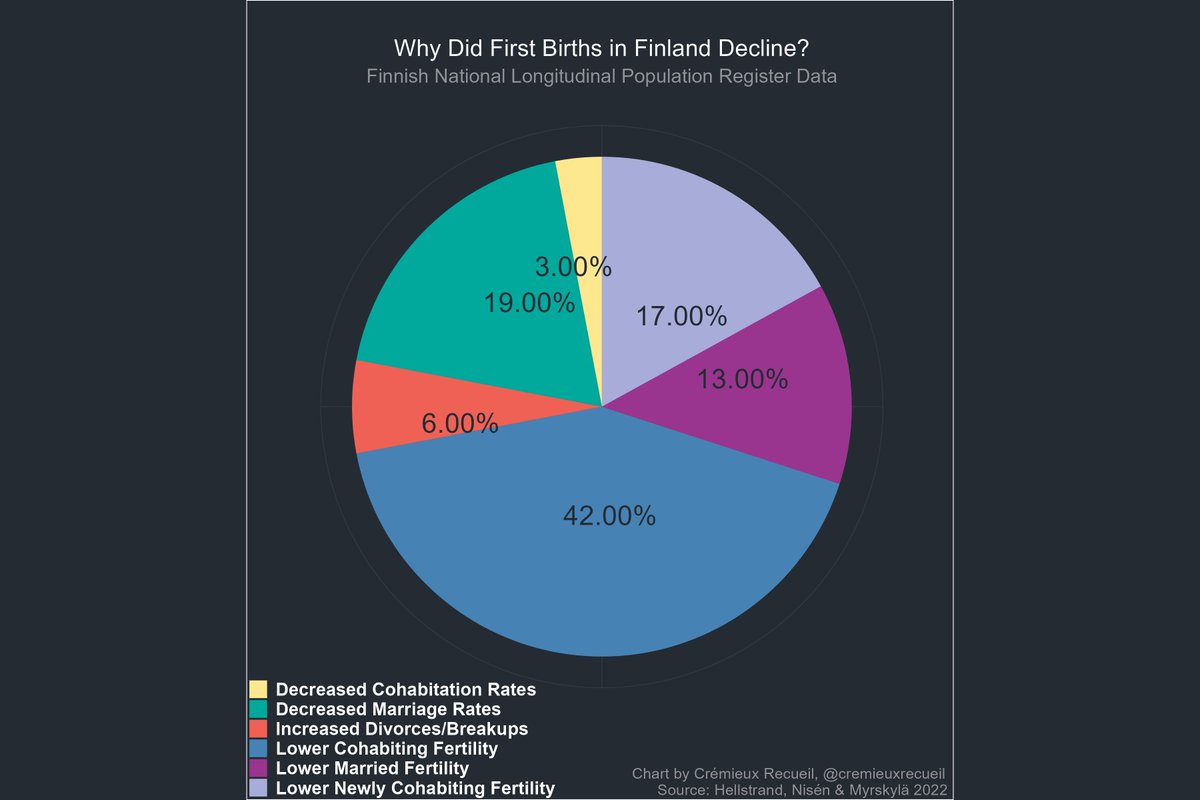
    Marriage rates have decreased due to factors such as increasing career opportunities for women, infidelity, and the fear of financial and personal losses associated with divorce. These reasons have led to a decline in the popularity of marriage, particularly among men.

    Additionally, changing societal norms and values, as well as a decline in religious adherence to marriage, have contributed to lower marriage rates. Another factor is the rise of alternative family arrangements, such as cohabitation, which provide more flexibility and independence.

    These various factors have resulted in a decrease in the number of new marriages each year and a shift in societal attitudes towards long-term commitment.

    2. Shifting Social And Cultural Factors

    In recent years, there has been a noticeable decline in marriage rates across many countries. This decline can be attributed to various societal and cultural factors, which have shifted the mindset and priorities of individuals. In this section, we will explore three crucial factors that have contributed to the decrease in marriage rates:

    Changing Societal Attitudes Towards Marriage

    One significant factor behind the decrease in marriage rates is the changing societal attitudes towards marriage. Traditionally, marriage was seen as a necessary institution for starting a family and ensuring financial stability. However, in today’s society, the perception of marriage has evolved.

    Societal attitudes towards marriage have become more individualistic and less traditional. People no longer feel compelled to enter into a legal union to validate their relationships or have children. Instead, cohabitation and long-term partnerships are now considered acceptable alternatives to marriage.

    Increased Focus On Individualism And Personal Fulfillment

    Another factor contributing to the decline in marriage rates is the increased focus on individualism and personal fulfillment. In the past, marriage was often seen as a societal expectation rather than a personal choice.

    However, with the rise of individualism, people are prioritizing their own happiness and personal fulfillment over conforming to societal norms. They are seeking to establish their careers, pursue personal goals, and enjoy their independence before considering marriage.

    The Influence Of Feminism And Gender Equality

    The influence of feminism and gender equality is also a significant factor in the decrease of marriage rates. Over the years, feminism has played a vital role in challenging traditional gender roles and promoting equality between men and women.

    As women gain more economic independence and educational opportunities, they no longer depend on marriage as a means of financial security or societal validation. Additionally, they feel empowered to postpone or forgo marriage to focus on their careers and personal growth.

    This shift towards gender equality has also affected men’s perception of marriage. With changing societal expectations, men no longer feel the pressure to be the sole breadwinners or adhere to traditional masculine roles.

    3. Economic Considerations

    Marriage rates have decreased due to economic considerations such as increasing career opportunities for women, the fear of financial loss and loss of independence after divorce, and the desire for more security living with family. Additionally, declining religious adherence and public disenchantment with marriage have also played a role in the decline.

    Impact Of The Changing Economy On Marriage Rates

    The changing economy plays a significant role in the decreasing marriage rates witnessed in recent years. As financial circumstances and economic conditions evolve, individuals are reconsidering their decision to tie the knot. Below, we explore the impact of the changing economy on marriage rates, financial instability and economic uncertainty, and the decline of the middle class and its effect on marriage.

    Financial Instability And Economic Uncertainty As Deterrents To Marriage

    The prevalence of financial instability and economic uncertainty has become a deterrent for many couples contemplating marriage. With stagnant wages, rising living costs, and the looming threat of unemployment, individuals are understandably cautious about taking on the financial responsibilities that come with marriage.

    Moreover, the fear of economic instability post-divorce weighs heavily on the decision to get married. Divorce often leads to a division of assets, including substantial financial losses for one or both partners. Considering these potential consequences, it is understandable why financial stability and economic uncertainty act as deterrents to marriage.

    Middle-class Decline And Its Effect On Marriage

    The decline of the middle class has had a significant impact on marriage rates. As the middle class faces diminishing economic opportunities and increasing economic inequality, individuals may postpone or altogether avoid marriage. The middle class has historically been the backbone of family values and stable marriages. However, with financial pressures and limited resources, the ability to afford a wedding, maintain a household, and provide for a family becomes increasingly challenging.

    This decline in the middle class not only affects individual aspirations but also the overall social fabric. With fewer individuals opting for marriage, the sense of stability and security that comes with a committed partnership is compromised.

    4. Evolving Relationship Patterns

    Marriage rates have decreased due to evolving relationship patterns. Factors such as infidelity, increasing career opportunities, independence, and finding security living with parents and siblings have led to more women choosing not to get married. Men, on the other hand, are becoming less willing to marry due to the fear of financial and personal losses associated with divorce.

    Shift Towards Cohabitation And Alternative Relationship Arrangements

    In recent years, there has been a significant shift towards cohabitation and alternative relationship arrangements, which have contributed to the decreasing marriage rates. More and more couples are choosing to live together and establish committed partnerships without formalizing their union through marriage. This trend can be attributed to various factors such as changing cultural norms, economic factors, and a desire for more personal freedom and flexibility in relationships.

    Cohabitation offers couples the opportunity to test their compatibility and determine whether they are ready for the lifelong commitment that marriage entails. It allows individuals to share financial responsibilities, live together, and build a life without the legal and social obligations that come with marriage. Additionally, some couples may choose alternative relationship arrangements such as open relationships or polyamory, which challenge the traditional concept of monogamous marriage.

    Rising Divorce Rates And Fear Of Commitment

    Another factor contributing to the decline in marriage rates is the rising divorce rates and the fear of commitment. In the past, marriage was often considered a lifelong commitment, and divorce was seen as taboo. However, with the increasing acceptance and accessibility of divorce, individuals may be more cautious about entering into marriages. They may fear the potential financial and emotional consequences of a failed marriage, leading them to avoid marriage altogether.

    Additionally, the fear of commitment can stem from a variety of reasons, including witnessing the negative effects of divorce on family and friends or experiencing personal commitment issues. Some individuals may choose to avoid the formal commitment of marriage altogether, opting for non-committal relationships or remaining single.

    Changing Views On The Importance Of Marriage In Long-term Relationships

    Furthermore, there has been a significant shift in society’s views on the importance of marriage in long-term relationships. Traditional notions of marriage as the ultimate goal and marker of success are evolving, as individuals prioritize personal growth, career advancement, and self-fulfillment. Many people are now choosing to prioritize their individual goals and happiness over societal expectations of marriage.

    Moreover, society has become more accepting of diverse relationship structures, including same-sex marriages and non-traditional family units. With the recognition and acceptance of various relationship options, individuals are no longer limited to the traditional institution of marriage as the only viable option for long-term commitment.

    In conclusion, evolving relationship patterns, such as the shift towards cohabitation and alternative relationship arrangements, rising divorce rates and fear of commitment, along with changing views on the importance of marriage in long-term relationships, are significant factors contributing to the decrease in marriage rates. As societal norms continue to evolve and individuals prioritize personal freedom and flexibility in their relationships, the institution of marriage may continue to undergo further transformations.

    5. Impact Of Technology And Digital Culture

    Rapid advancements in technology and the rise of digital culture have undoubtedly played a significant role in shaping our modern society, including our approach to relationships and marriage. In this section, we will explore how the impact of technology and digital culture has contributed to the decrease in marriage rates.

    Role Of Dating Apps And Online Platforms In Changing Relationship Dynamics

    The advent of dating apps and online platforms has revolutionized the way people meet and connect with potential partners. These platforms offer a convenient and accessible way to meet new people, eliminating the need for traditional methods like mutual friends or chance encounters.

    With a wide range of options available at their fingertips, individuals are now more likely to engage in casual dating rather than pursuing long-term committed relationships. The abundance of choices may result in commitment issues, as people constantly question if there is a better match just a swipe away.

    Furthermore, the emphasis on instant gratification inherent in these platforms can lead to a ‘hookup culture,’ where casual encounters replace the desire for lasting commitment. The ease of finding new partners through dating apps has also heightened expectations for romantic connections, making it harder to settle down and invest in a committed relationship.

    Social Media And Its Influence On Perceptions Of Marriage

    Social media has become deeply ingrained in our daily lives, impacting the way we view relationships and marriage. It has created a platform for envy-inducing posts and carefully curated portrayals of people’s lives. This constant exposure to idealized versions of relationships can lead to unrealistic expectations and dissatisfaction with one’s own romantic life.

    Moreover, social media exposes individuals to a multitude of options and potential partners, making it easier to compare and second-guess one’s current relationship. Studies have shown that increased usage of social media is associated with lower relationship quality and higher chances of infidelity.

    Increased Access To Alternative Forms Of Companionship

    Technology has provided us with alternatives to traditional marriage by offering a myriad of companionship options. Virtual relationships, friendships with benefits, and cohabitation without marriage have become viable alternatives for individuals seeking connection and intimacy without the commitment and legal implications of marriage.

    Additionally, the rise of AI-powered companionship, such as virtual assistants and sex robots, provides an unconventional but convenient solution for those longing for companionship without the complexities and uncertainties of human relationships.

    In conclusion, the impact of technology and digital culture has had a profound effect on our views and approach towards relationships and marriage. The convenience and accessibility offered by dating apps and online platforms have changed the dynamics of relationships and has led to a decrease in marriage rates. Social media’s influence on perceptions of marriage, along with increased access to alternative forms of companionship, further contribute to this decline. As technology continues to evolve, it is important to consider the potential long-term implications on our society and the institution of marriage.

    https://www.youtube.com/watch?v=nd_DVx5mQN4

    Why Have Marriage Rates Decreased?

    Credit: www.npr.org

    Frequently Asked Questions For Why Have Marriage Rates Decreased?

    Why Are People Not Getting Married Anymore?

    People are not getting married anymore due to various reasons such as infidelity, increasing career opportunities and independence, and finding more security living with their parents and siblings. Men are also becoming less willing to get married out of fear of losing their wealth and independence after a divorce.

    Additionally, declining religious adherence to marriage and public disenchantment with marriage are contributing factors.

    Is Marriage Getting Less Popular?

    Marriage rates are decreasing due to reasons such as infidelity, career opportunities, independence, and living with family for security. Men also fear potential financial and personal losses associated with divorce. Factors like declining religious adherence and cohabitation also contribute to lower marriage rates.

    Why Are People Delaying Marriage?

    People are delaying marriage due to increasing career opportunities, desire for independence, infidelity concerns, financial worries, and cultural shifts.

    Why Men Are Getting Married Less?

    Men are getting married less due to the fear of losing wealth and independence after divorce. Financial and personal losses associated with divorce are major deterrents for men.

    Conclusion

    Marriage rates have been steadily declining for various reasons. Increasing career opportunities and independence for women, fear of financial loss after divorce, and changing societal norms are some factors contributing to this trend. Additionally, the rising popularity of cohabitation and the decline in religious adherence to marriage have also played a role.

    As society continues to evolve, it is crucial to understand and address the reasons behind the decrease in marriage rates in order to build healthier relationships and families.

  • The Money Lenses That Shape Your Financial World

    The concept of “money lenses” delves into the intricate ways individuals perceive and engage with finances. Shaped by personal experiences, cultural influences, upbringing, and societal norms, these lenses are the filters through which people view money. Exploring some common money lenses provides a nuanced understanding of how beliefs and behaviors intertwine in the realm of personal finance.

    Money Lenses: Shaping Your Financial Perspective

    A Money Lens serves as your unique worldview, influencing how you approach purchases and navigate the economic landscape. One predominant lens is the cost perspective, where frugality takes center stage. However, in various scenarios, you can seamlessly interchange different Money Lenses to tailor your financial approach. Take a trip, for instance:

    • Cost: Opt for budget-friendly options, from transportation to accommodation, and relish inexpensive experiences.
    • Convenience: Prioritize ease with services like Lyft and taxis, opting for a centrally located hotel for added convenience.
    • Delight: Indulge in a premium experience with a pre-arranged car service, personalized amenities, and a seamless travel journey.

    These lenses offer a versatile toolkit, allowing you to adapt your financial approach based on the situation, creating a customized and enriched perspective on spending.

    Embarking on a journey through money lenses unravels the intricacies of how individuals perceive and navigate financial landscapes. Let’s delve deeper into each lens, exploring the nuanced perspectives and behaviors associated with cost, value, convenience, security, results, speed, status, delight, and experience.

    1. Cost Lens:

    The Cost Lens, a pivotal perspective in personal finance, revolves around the meticulous scrutiny of expenses and a judicious quest for value. Individuals with this lens prioritize minimizing costs, seeking optimal deals, and carefully weighing the financial implications of every decision. It’s a lens that sharpens the focus on fiscal efficiency and economic prudence.

    Perspective:

    • Minimizing Expenses: Individuals with a cost-money lens prioritize minimizing expenses and extracting maximum value from their financial choices.

    Behavior:

    • Budget-Conscious: They are inherently budget-conscious, meticulously evaluating costs and seeking discounts.
    • Financial Implications: Every decision is carefully weighed, considering the broader financial implications.

    2. Value Lens:

    The Value Lens illuminates financial decisions through the prism of quality and enduring benefits in proportion to cost. Individuals with this lens prioritize investments aligned with their values, seeking long-term returns and meaningful outcomes. It’s a perspective that transcends immediate costs, focusing on the sustained value derived from financial choices.

    Perspective:

    • Quality and Benefits: The value money lens focuses on the quality and benefits derived from expenditures in proportion to the cost.

    Behavior:

    • Investing in Long-Term Benefits: Individuals with this lens are willing to invest in products or services that offer long-term benefits.
    • Alignment with Values: Choices align with personal values, ensuring a meaningful and enduring return on investment.

    3. Convenience Lens:

    he Convenience Lens in personal finance illuminates a mindset that prioritizes ease and efficiency in financial transactions. Individuals wielding this lens seek streamlined processes, opting for services and products that save time and effort. In a world where convenience is a coveted currency, this lens influences decisions that prioritize the seamless and hassle-free aspects of financial interactions.

    Perspective:

    • Ease and Efficiency: Convenience-focused individuals prioritize ease and efficiency in financial transactions.

    Behavior:

    • Opting for Efficiency: They may choose services and products that save time and effort, even if they come at a slightly higher cost.
    • Time-Saving Choices: Convenience is a significant factor in decision-making, often trumping other considerations.

    4. Security Lens:

    The Security Lens in personal finance encapsulates a mindset anchored in the paramount importance of financial stability and risk protection. Those viewing their finances through this lens prioritize secure investments, insurance, and robust savings to safeguard against uncertainties. In an ever-changing economic landscape, the Security Lens guides decisions with a focus on long-term financial well-being and protection.

    Perspective:

    • Financial Stability: The security money lens places a high value on financial stability and protection against risks.

    Behavior:

    • Opting for Safety: Individuals may choose secure investment options, invest in insurance, and prioritize savings for unforeseen circumstances.
    • Long-Term Security: Decisions are guided by a focus on long-term financial security rather than immediate gains.

    5. Results Lens:

    The Results Lens in personal finance unveils a perspective driven by a thirst for tangible outcomes and measurable returns. Individuals wielding this lens are strategic risk-takers, focusing on investments and financial endeavors with clear and impactful results. In the pursuit of measurable success, the Results Lens shapes decisions that align with achieving concrete and meaningful financial milestones.

    Perspective:

    • Tangible Outcomes: The results money lens emphasizes achieving tangible outcomes and measurable returns on financial investments.

    Behavior:

    • Calculated Risks: Individuals may take calculated risks, strategically invest, and focus on financial endeavors with clear and measurable results.
    • Outcome-Oriented: Decisions are driven by the desire for tangible and impactful results.

    6. Speed Lens:

    In the realm of personal finance, the Speed Lens signifies a mindset driven by the need for prompt and efficient financial transactions. Individuals wielding this lens prioritize swift payment methods and streamlined processes, embracing the momentum of financial decisions in a fast-paced world.

    Perspective:

    • Quick and Efficient: Speed-focused individuals prioritize quick and efficient financial transactions.

    Behavior:

    • Fast Payment Methods: They may opt for fast payment methods and streamlined financial processes.
    • Prompt Results: Services that deliver prompt results hold significant appeal for those with a speed money lens.

    7. Status Lens:

    The Status Lens in personal finance unveils a mindset driven by the symbolic and social value of financial choices. Individuals wielding this lens are inclined to make expenditures that elevate their social standing, utilizing wealth as a means of recognition and status enhancement in their communities.

    Perspective:

    • Symbolic and Social Value: The status money lens focuses on the symbolic and social value associated with financial choices.

    Behavior:

    • Enhancing Social Standing: Individuals may be inclined to spend on items or experiences that enhance their social standing and display affluence.
    • Seeking Recognition: Financial achievements are viewed through the lens of social recognition and status enhancement.

    8. Delight Lens:]

    The Delight Lens in personal finance paints a vibrant picture of financial decision-making driven by joy and satisfaction. Those embracing this lens willingly explore avenues that bring happiness, recognizing the profound impact of delight on their financial landscape. In a world where emotional fulfillment intertwines with monetary choices, the Delight Lens takes center stage.

    Perspective:

    • Seeking Joy: Delight-focused individuals prioritize joy, satisfaction, and positive emotions in their financial experiences.

    Behavior:

    • Willingness to Spend: They may be willing to spend on things that bring happiness and delight, even if the cost is higher.
    • Emotional Fulfillment: Financial choices are guided by the pursuit of emotional fulfillment and satisfaction.

    9. Experience Lens:

    The Experience Lens in personal finance paints a canvas where every monetary choice is a brushstroke, creating a masterpiece of memorable moments. Guided by a desire for emotional fulfillment, individuals embracing this lens prioritize spending on experiences, weaving a rich tapestry of positive, lasting memories into their financial narrative.

    Perspective:

    • Overall Experience: The experience money lens values the overall experience and emotional connection associated with financial interactions.

    Behavior:

    • Prioritizing Experiences: Individuals may prioritize spending on experiences, travel, and activities that contribute to a positive and memorable financial narrative.
    • Emotional Connection: Financial decisions are made with a focus on building positive emotional connections and lasting memories.

    10. Scarcity Lens:

    The Scarcity Lens in personal finance reveals a perspective where money is perceived as limited and finite. Individuals navigating this lens tend to save excessively, practice extreme frugality, and harbor a fear of financial instability.

    Beliefs:

    • Limited and Finite: Individuals with a scarcity money lens perceive money as scarce, limited, and finite.

    Behaviors:

    • Excessive Saving: Inclined to save excessively, they may adopt frugal habits to an extreme.
    • Fear of Instability: Fearful of financial instability, they may hesitate to spend even when necessary.

    11. Abundance Lens:

    The Abundance Lens in personal finance reflects a mindset that sees money as a boundless source of opportunities and growth. Those adopting this lens embrace calculated risks, investments, and experiential spending, unlocking a world of financial possibilities.

    Beliefs:

    • Opportunities for Growth: Those with an abundance money lens see money as a source of opportunities for wealth and financial growth.

    Behaviors:

    • Calculated Risks: Open to taking calculated risks, they may invest and explore avenues for financial expansion.
    • Experiential Spending: More willing to spend on experiences that contribute to personal and financial growth.

    12. Power Lens:

    The Power Lens in personal finance unveils a perspective where money is seen as a potent tool for influence, control, and empowerment. Those wielding this lens strategically navigate financial decisions to enhance their authority and impact.

    Beliefs:

    • Tool for Influence: The power money lens sees money as a tool for influence, control, and empowerment.

    Behaviors:

    • Seeking Impact: Individuals may seek financial success to gain authority and make a significant impact in various aspects of their lives.
    • Strategic Financial Decisions: Making strategic financial decisions to enhance personal and professional influence.

    13. Freedom Lens:

    The Freedom Lens in personal finance reflects a perspective deeply valuing financial independence and unrestricted decision-making. Those embracing this lens prioritize entrepreneurship, passive income, and flexible financial pursuits, seeking the liberty to shape their economic destiny on their own terms.

    Beliefs:

    • Value of Independence: The freedom money lens places high value on financial independence and the ability to make choices without constraints.

    Behaviors:

    • Entrepreneurial Pursuits: Prioritizing entrepreneurship and passive income for greater financial autonomy.
    • Flexibility: Seeking financial flexibility to align with personal values and life goals.

    14. Generosity Lens:

    The Generosity Lens in personal finance unfolds a narrative where joy derives not just from financial gain but from sharing wealth with others. Rooted in the belief that true abundance is found in giving, individuals embracing this lens prioritize charitable contributions, acts of kindness, and supporting causes that extend beyond personal gain.

    Beliefs:

    • Joy in Sharing: A generosity money lens emphasizes the joy and fulfillment derived from sharing wealth with others.

    Behaviors:

    • Charitable Giving: Prioritizing charitable giving, supporting causes, and actively contributing to the well-being of others.
    • Helping Financially: Actively assisting others financially as a means of spreading abundance.

    Last Lines

    Understanding these money lenses goes beyond surface-level observations, providing a profound insight into the intricate relationship individuals have with money. Recognizing one’s dominant money lens can pave the way for intentional financial decision-making, fostering a more harmonious and fulfilling financial journey. As these lenses coalesce and evolve over time, individuals can leverage this understanding to align their financial behaviors with their core values and aspirations.

  • The Japanese Arigato Money Technique

    In the quest for financial well-being, the relationship between mindset and money plays a pivotal role. One intriguing method that merges the principles of gratitude and abundance with personal finance is the Japanese Arigato Money Technique. This unique approach to money management goes beyond traditional budgeting, encouraging a mindful and appreciative perspective towards one’s financial resources. In this blog post, we’ll explore the philosophy behind the Arigato Money Technique, how it works, and how it can transform your financial outlook.

    Understanding the Arigato Money Technique

    “Arigato” is the Japanese word for “thank you,” and the Arigato Money Technique is rooted in the belief that expressing gratitude for money, regardless of the amount, attracts more abundance into one’s life. This technique aligns with the Japanese philosophy of mindfulness and appreciation, emphasizing the importance of acknowledging and respecting the energy invested in earning money.

    How the Arigato Money Technique Works

    In the pursuit of financial harmony and abundance, the Arigato Money Technique offers a profound approach that transcends conventional financial strategies. Let’s delve deeper into the workings of this technique, exploring each facet and uncovering the philosophy that underpins its transformative power.

    Mindful Money Acknowledgment:

    At the core of the Arigato Money Technique lies the practice of mindful money acknowledgment. This involves deliberately setting aside dedicated time to reflect on and express gratitude for your financial resources. By being mindful of your income, expenses, and the overall value that money brings to your life, you initiate a process of conscious awareness. This step is foundational, laying the groundwork for a more intentional and appreciative relationship with your finances.

    Gratitude Statements:

    The act of expressing gratitude for the money you currently have is a pivotal component of the Arigato Money Technique. Whether conveyed verbally or in writing, this practice involves acknowledging the sources of your money – be it your job, a business endeavor, or other avenues. By actively recognizing and appreciating the origins of your financial inflow, you cultivate a sense of gratitude that goes beyond the transactional nature of money.

    Positive Affirmations:

    Complementing gratitude statements are positive affirmations that infuse your financial mindset with optimism. Affirmations serve as powerful declarations of your beliefs and intentions. In the context of the Arigato Money Technique, affirmations could revolve around the effortless flow of money into your life and your innate ability to attract financial opportunities. This step amplifies the positivity initiated by gratitude, shaping a mindset that aligns with the principles of the law of attraction.

    Visualizations:

    Taking a cue from the law of attraction, the Arigato Money Technique incorporates visualizations to manifest your financial goals. By envisioning your aspirations as if they have already been realized, you tap into the emotional realm associated with financial success. The power of visualization lies in its ability to create a positive and compelling mental image, fostering a mindset that attracts the very outcomes you visualize.

    Sharing and Giving:

    The altruistic dimension of the Arigato Money Technique involves giving back a portion of your financial resources to others. Whether through charitable donations, thoughtful gifts, or acts of kindness that involve money, this practice reinforces the concept of abundance. Sharing what you have acknowledges the interconnectedness of wealth and encourages a mindset of abundance that extends beyond personal gain.

    The Philosophy Behind Arigato Money:

    At its essence, the Arigato Money Technique is a philosophy grounded in mindfulness, gratitude, and the law of attraction. By expressing appreciation for your current financial state, irrespective of its magnitude, you shift your perspective from scarcity to abundance. This shift is not merely about accumulating more money; rather, it’s about fostering a profound and positive relationship with the financial energy that flows through your life.

    The Arigato Money Technique invites practitioners to recognize that the quality of their relationship with money significantly influences their financial journey. By infusing this relationship with gratitude, positive affirmations, visualizations, and acts of giving, individuals open themselves to the abundant possibilities that the universe has to offer.

    Benefits of the Arigato Money Technique

    The Japanese Arigato Money Technique transcends the boundaries of conventional financial strategies, offering a transformative approach that goes beyond dollars and cents. Let’s explore the profound benefits that this technique can bring to your life, ushering in a shift towards abundance, improved relationships with money, and enhanced overall well-being.

    1. Shift in Mindset:

    Encourages Abundance over Scarcity:

    • The Arigato Money Technique serves as a catalyst for a fundamental shift in mindset, moving away from scarcity towards abundance.
    • By expressing gratitude for the money you currently have, you cultivate a mindset that acknowledges the abundance already present in your life.

    Fosters Positivity and Appreciation:

    • Beyond the numbers, this technique fosters a positive and appreciative attitude towards money.
    • Gratitude becomes a guiding force, influencing your thoughts and emotions regarding financial matters.

    2. Improved Financial Relationships:

    Strengthens Emotional Connection:

    • The practice of expressing gratitude and positive affirmations strengthens your emotional connection with money.
    • This emotional intelligence reduces stress and anxiety related to financial matters.

    Promotes Healthier Habits:

    • By acknowledging the sources of your financial inflow, the Arigato Money Technique encourages healthier financial habits.
    • Conscious spending and mindful financial decisions become integral components of your financial lifestyle.

    3. Law of Attraction:

    Focus on Positive Energy:

    • The Arigato Money Technique aligns seamlessly with the law of attraction.
    • By focusing on positive energy and gratitude, you attract more of the same, opening the door to a flow of financial opportunities.

    Magnets for Abundance:

    • Practitioners of this technique become magnets for abundance.
    • The positive affirmations and visualizations create an energetic resonance that draws in opportunities and resources.

    4. Enhanced Well-Being:

    Promotion of Mindfulness:

    • The Arigato Money Technique is a journey into mindfulness.
    • Regular acknowledgment of your financial resources encourages a mindful approach to money, promoting awareness and consciousness in your financial decisions.

    Harmonious Balance:

    • Ultimately, this technique contributes to overall well-being by fostering a harmonious balance.
    • It goes beyond the financial realm, creating a synergy between your financial goals and personal happiness.

    Incorporating the Arigato Money Technique into Your Life:

    1. Daily Gratitude Rituals:
      • Dedicate a few moments each day to express gratitude for your financial situation.
      • Incorporate positive affirmations to reinforce your abundance mindset.
    2. Financial Reflection:
      • Reflect on your financial journey regularly, acknowledging your progress and expressing gratitude for the opportunities that money has provided.
    3. Conscious Spending:
      • Infuse mindfulness into your spending habits.
      • Prioritize expenses that align with your values and contribute positively to your life.
    4. Generosity and Sharing:
      • Actively practice generosity by sharing a portion of your financial resources.
      • Engage in acts of kindness that involve money, fostering a cycle of giving and receiving.

    How to Implement the Arigato Money Technique in Your Life

    The Japanese Arigato Money Technique is not just a concept; it’s a way of life that can revolutionize your relationship with money. Let’s explore practical steps to seamlessly integrate this transformative technique into your daily routine, fostering a mindset of gratitude, abundance, and financial well-being.

    1. Daily Gratitude Practice:

    Expressing Gratitude:

    • Set aside a few dedicated minutes each day to express gratitude for your current financial situation.
    • Reflect on the opportunities, blessings, and abundance that money brings into your life.

    Positive Affirmations and Visualization:

    • Combine gratitude with positive affirmations.
    • Use phrases that affirm the effortless flow of money into your life and visualize your financial success. Picture your goals as if they have already been achieved.

    2. Create a Gratitude Journal:

    Dedicated Financial Journal:

    • Establish a gratitude journal specifically dedicated to your financial journey.
    • Regularly document your progress, achievements, and moments of financial gratitude.

    Reflect and Acknowledge:

    • Take time to reflect on your financial experiences.
    • Acknowledge the steps you’ve taken, the lessons learned, and the positive changes in your financial landscape.

    3. Mindful Spending:

    Conscious Financial Choices:

    • Practice mindful spending by consciously tracking where your money goes.
    • Consider each expenditure, ensuring it aligns with your values and contributes to your overall joy and satisfaction.

    Budgeting with Purpose:

    • Align your spending with your financial goals.
    • Prioritize expenses that resonate with your values, bringing purpose and intentionality to your financial decisions.

    4. Sharing and Giving:

    Incorporate Generosity:

    • Actively integrate a giving aspect into your financial routine.
    • Share a portion of your financial blessings with others, whether through acts of kindness, charitable contributions, or supporting causes that resonate with you.

    Cultivate a Cycle of Abundance:

    • Recognize the interconnectedness of giving and receiving.
    • Cultivate a cycle of abundance by contributing positively to the financial well-being of others.

    5. Stay Consistent:

    Daily or Weekly Integration:

    • Consistency is paramount for the success of the Arigato Money Technique.
    • Integrate these practices into your daily or weekly routine to experience their transformative effects over time.

    Adapt to Your Schedule:

    • Tailor the routine to fit your lifestyle.
    • Whether it’s a few minutes in the morning, during lunch, or before bed, find a consistent time that works for you.

    Conclusion

    The Japanese Arigato Money Technique is more than a financial strategy; it’s a philosophy that invites a profound shift in how we perceive and interact with money. By cultivating gratitude, practicing mindfulness, and embracing the principles of abundance, individuals can create a positive and harmonious relationship with their finances. Consider integrating the Arigato Money Technique into your life, and watch as a mindset of gratitude transforms not only your approach to money but your overall sense of well-being and abundance. Say “Arigato” to your money and invite a new wave of financial positivity into your life.

  • Mastering Your Finances with the Debt Avalanche Strategy

    In the landscape of personal finance, the burden of debt can be overwhelming. Whether it’s student loans, credit card balances, or other financial obligations, finding a strategy to effectively manage and eliminate debt is crucial. The Debt Avalanche Strategy stands out as a powerful and systematic approach to tackle debt strategically. In this blog post, we’ll explore the principles, benefits, and steps to master your finances using the Debt Avalanche Strategy.

    Understanding the Debt Avalanche Strategy

    The Debt Avalanche Strategy is a methodical and financially optimized approach to paying off debt. Unlike the Debt Snowball Method, which prioritizes the smallest debts first, the Debt Avalanche Strategy focuses on the debts with the highest interest rates. The goal is to minimize the overall interest paid and expedite the journey to a debt-free life.

    How the Debt Avalanche Works

    1. List Your Debts:

    • Begin your journey to financial freedom by creating a detailed inventory of all your debts. This includes credit cards, loans, and any other outstanding balances you may have.

    2. Determine Interest Rates:

    • With your list in hand, take note of the interest rates associated with each debt. This crucial step lays the foundation for the strategic approach of the Debt Avalanche.

    3. Order by Interest Rate:

    • Once you’ve identified the interest rates, arrange your debts in descending order, placing the debt with the highest interest rate at the top. This prioritization will guide your repayment strategy.

    4. Minimum Payments on All:

    • Maintain financial stability by continuing to make the minimum payments on all your debts. This ensures that you fulfill your basic obligations and avoid incurring late fees or penalties.

    5. Allocate Extra Payments:

    • Identify any additional funds or savings that you can allocate towards debt repayment. Take these extra resources and direct them to the debt with the highest interest rate on your list.

    6. Repeat Until Debt-Free:

    • The heart of the Debt Avalanche strategy lies in repetition. Once you successfully pay off the debt with the highest interest rate, redirect the funds you were allocating to that debt toward the one with the next highest interest rate.
    • Repeat this process diligently until you have cleared all your debts. Each time you pay off a debt, the freed-up funds are strategically channeled toward the next debt on the list.

    Key Considerations:

    • Consistency is Key:
      • The effectiveness of the Debt Avalanche hinges on your commitment to the process. Consistently following through with the plan ensures a steady reduction in your overall debt.
    • Avoiding New Debt:
      • While on this debt-repayment journey, it’s crucial to avoid accumulating new debt. This discipline will safeguard the progress you’ve made and maintain the momentum toward becoming debt-free.
    • Financial Awareness:
      • The Debt Avalanche not only helps in debt reduction but also enhances financial awareness. Understanding your interest rates and prioritizing high-interest debts fosters a proactive approach to financial management.

    In essence, the Debt Avalanche is a systematic and financially optimized strategy that empowers individuals to strategically tackle their debts, leading to substantial interest savings and a faster path to financial freedom. As you witness each debt being cleared, the momentum builds, propelling you toward a debt-free future.

    Benefits of the Debt Avalanche Strategy

    1. Interest Savings:

    • By targeting the highest interest debts first, the strategy minimizes the total interest paid over the life of the debts.
    • This approach saves money in the long run compared to methods that don’t prioritize interest rates.

    2. Faster Debt Repayment:

    • The Debt Avalanche accelerates the debt repayment process by strategically eliminating high-interest debts early on.
    • This efficiency helps individuals become debt-free faster than with traditional methods.

    3. Financial Optimization:

    • The strategy optimizes financial resources by focusing on debts that accrue the most interest.
    • It aligns with a goal of financial efficiency and wealth-building.

    4. Long-Term Savings:

    • While the initial focus is on high-interest debt, the strategy sets the stage for long-term financial health.
    • Individuals can redirect funds previously used for debt repayment towards savings and investments.

    How to Start Your Debt Avalanche Journey

    Let’s delve into the steps on how to initiate and navigate your Debt Avalanche journey:

    1. Compile a Debt List:

    • Begin by creating a comprehensive list that includes all your debts. This encompasses credit cards, loans, and any other outstanding balances you may have. Be meticulous in documenting each debt and the corresponding amounts owed.

    2. Organize by Interest Rate:

    • Once your list is complete, organize your debts in a strategic manner. Arrange them in descending order based on their interest rates, with the debt carrying the highest interest rate placed at the top.

    3. Minimum Payments:

    • Maintain financial stability by continuing to make the minimum payments on all your debts. This ensures that you fulfill your basic obligations and avoid any potential late fees or penalties.

    4. Allocate Additional Funds:

    • Scrutinize your budget and financial situation to identify any additional funds or windfalls that can be directed towards debt repayment. Every extra dollar you allocate to debt repayment expedites the process.

    5. Repeat the Process:

    • The essence of the Debt Avalanche lies in repetition. Once you successfully pay off the debt with the highest interest rate, redirect the funds you were allocating to that debt towards the one with the next highest interest rate.
    • Continue this process with discipline and dedication until you’ve cleared all your debts. The momentum gained from each paid-off debt propels you toward the next, creating a cascading effect.

    6. Stay Disciplined:

    • Consistency is paramount for the success of the Debt Avalanche strategy. Stick to your plan and resist the temptation to deviate. Maintaining discipline ensures a steady reduction in your overall debt over time.

    7. Avoid Accumulating New Debt:

    • As you progress through your debt repayment journey, it’s crucial to avoid accumulating new debt. The goal is not only to pay off existing debts but also to cultivate a sustainable financial lifestyle.

    Key Considerations:

    • Budget Review:
      • Regularly review your budget to identify any areas where you can cut costs or redirect funds towards debt repayment. A proactive approach to budgeting enhances your financial control.
    • Emergency Fund:
      • Consider establishing or maintaining a small emergency fund. This fund serves as a financial safety net, helping you cover unexpected expenses without derailing your debt repayment progress.
    • Celebrate Milestones:
      • Celebrate your achievements along the way. Whether it’s paying off a significant debt or reaching a specific milestone, acknowledging your progress reinforces your commitment to the Debt Avalanche strategy.

    Embarking on your Debt Avalanche journey requires dedication and a clear understanding of your financial landscape. By following these steps with discipline and consistency, you’ll find yourself steadily gaining control over your finances and paving the way for a debt-free future.

    Conclusion

    The Debt Avalanche Strategy is a meticulous and financially sound approach to conquering debt. By strategically targeting high-interest debts, individuals can save money, accelerate the debt repayment process, and pave the way for long-term financial stability. Embark on your Debt Avalanche journey with a clear understanding of your debts, commitment to financial discipline, and the confidence that you are taking control of your financial future. As you witness your debts diminish, you’ll find yourself on a path towards a brighter and debt-free financial landscape.

  • The Lipstick Effect Theory: Bangladesh in Spotlight

    In the intricate world of economics, where indicators and theories often shape the narratives of financial well-being, one theory stands out with a touch of glamour – the Lipstick Effect. Originating from the creative mind of Boston College Sociology Professor Juliet Shore in 1998, this theory gained prominence during the American economic recession in 2000, thanks to cosmetics giant Estee Lauder, who coined it as ‘The Lipstick Effect Theory.’ Recently, increased import of lipstick reported while a video spread describing a man he is without underpants and socks as they are not visible.

    The Lipstick Effect Theory Unveiled

    Juliet Shore’s revelation in ‘The Overspent American’ highlighted curious consumer behavior during economic downturns. Instead of splurging on high-end luxury items, people tended to gravitate towards more affordable luxury goods. This shift in consumer preferences was particularly noticeable in the beauty industry, where the purchase of lipsticks surged. The reasoning behind this phenomenon was twofold.

    Firstly, as incomes dwindled, individuals refrained from investing in pricey items like fur coats or expensive bags. Instead, they sought solace in the purchase of less expensive luxury goods, with lipstick emerging as a favored choice. The second aspect delves into the psychological realm – during tough economic times, people focused on self-care and personal grooming as a means of distraction. Lipstick, being a relatively inexpensive beauty product, saw a surge in demand.

    This theory gained substantial traction during significant economic downturns, such as the aftermath of the 9/11 attacks in the United States and the 2008 recession. The correlation between economic uncertainties and increased lipstick sales led to the establishment of the Lipstick Effect theory. Researchers Sarah Hill and Christopher Rodenhafer from Texas Christian University further solidified this theory through in-depth studies, highlighting its relevance across different economic landscapes.

    Inflation in Bangladesh: A Silent Struggle

    Fast forward to the economic landscape of Bangladesh, where the silent killer known as inflation has been tightening its grip. The overall inflation rate reached 9.93 percent in October 2023, with food inflation hitting a staggering 12.56 percent – the highest in nearly 12 years. The implications are clear – the cost of living is soaring, and people with limited incomes are grappling to afford basic necessities.

    The promises and assurances of policymakers to curb inflation seem to have fallen short, and the rising costs have led to a cutback in consumer spending. In the words of former US President Ronald Reagan, “Inflation is as violent as a mugger, as dangerous as an armed robber, and as deadly as a murderer.”

    The rising inflation rates, coupled with unusual economic indicators, paint a nuanced picture of Bangladesh’s economic landscape. As citizens navigate these uncertain waters, policymakers and analysts grapple with the challenge of decoding these economic signals to formulate effective strategies for stability and resilience.

    Lipstick Imports: An Unusual Economic Indicator

    In the midst of economic turmoil, an unexpected trend has emerged in Bangladesh – a surge in the import of lipsticks. The Western Lipstick Effect theory suggests that during economic slowdowns, consumers turn to less expensive luxury goods, and lipstick becomes a focal point. The fear among economists is that this trend might be an early indicator of economic distress.

    The import data reveals a notable increase in lipstick imports, raising concerns about the economic well-being of the country. In the first quarter of the current financial year, the customs value of lipstick imports soared to Tk 5 crore 23 lakh, marking a 55 percent increase compared to the same period in the previous fiscal year. While the increased import has contributed additional revenue to the government, it has also sparked questions about the state of the economy.

    The Lipstick Effect in Bangladesh: Myth or Reality?

    The question arises – does the Lipstick Effect theory hold true for Bangladesh? Khandaker Golam Moazzem, the research director of the Center for Policy Dialogue (CPD), believes that during economic instability, consumers tend to seek cost savings even in luxury goods. Lipsticks, being relatively affordable in the realm of cosmetics, witness increased usage and availability.

    While researchers express skepticism about the Western Lipstick Effect theory fully manifesting in Bangladesh, they acknowledge the shift in consumer behavior towards more budget-friendly luxury goods. The lipstick, with its unique ability to add a touch of glamour at a lower cost, becomes a symbol of resilience amid economic challenges.

    Food Inflation: A Persistent Challenge

    The unsettling revelation that food inflation has surpassed 12 percent for three consecutive months paints a grim picture of the economic landscape. This prolonged surge in food prices not only impacts the cost of living but also poses a severe threat to the very essence of survival. For individuals with modest incomes, the struggle to secure basic food items becomes an everyday battle, amplifying the gravity of the inflation crisis.

    Inflation: The Silent Killer

    Inflation has earned its ominous moniker as the “silent killer,” a term echoed by former US President Ronald Reagan. His stark analogy portrays inflation as an assailant with the violence of a mugger, the danger of an armed robber, and the deadliness of a murderer. The metaphor underscores the insidious nature of inflation, as it quietly erodes the purchasing power of individuals, leaving them vulnerable to the economic onslaught.

    Economic Strain on Limited Incomes

    As inflation tightens its stranglehold on the nation, the silent cries of those with limited incomes grow louder. The rising cost of essential goods and services becomes an insurmountable barrier, forcing individuals and families to make difficult choices between necessities. Inflation, often unseen and underestimated, transforms into a palpable force that dictates the quality of life for many.

    Addressing the Crisis: A Call to Action

    To confront the multifaceted challenges posed by inflation, policymakers and economic experts must mobilize swiftly and decisively. Crafting strategies to alleviate the burden on those most affected by the rising costs of food is paramount. Proactive measures, such as targeted social assistance programs and policies aimed at stabilizing prices, can serve as a lifeline for those navigating the turbulent economic waters.

    The Role of Media in Raising Awareness

    The role of media in disseminating information and raising awareness about the implications of inflation cannot be overstated. Through insightful reporting and analysis, media outlets can contribute to a broader understanding of the economic challenges faced by the population. By shedding light on the lived experiences of individuals contending with inflation, media becomes a catalyst for empathy, advocacy, and informed decision-making.

    Advance Warning: Underwear in Action

    As history often repeats itself, economic downturns bring forth peculiar consumer behaviors that serve as advance warnings. One such indicator emerged during the recession of 2008 – the Lipstick Effect. This phenomenon, observed by Alan Greenspan, then chairman of the US Federal Reserve, highlighted a shift in consumer spending patterns. While the demand for luxury goods like clothing dwindled, an unexpected surge in lipstick sales was witnessed.

    In a recession, people tend to cut back on purchases deemed non-essential, and buying new clothes becomes a perceived liability. However, the lipstick, a relatively affordable luxury item, experiences heightened demand. The Lipstick Effect has become a noteworthy economic indicator, reflecting how consumer behavior adapts during times of financial uncertainty.

    Interestingly, a reverse trend has surfaced in recent times, offering another unusual economic indicator – the Men’s Underwear Index. Historically, a decline in men’s underwear sales in the United States has signaled economic recessions. The rationale behind this lies in the belief that when faced with financial uncertainties, individuals prioritize essential spending, leading to a reduction in discretionary purchases like new underwear.

    Recent survey data indicates a significant decrease in men’s underwear purchases in the US, triggering concerns among economic experts who fear an impending recession. The Men’s Underwear Index, with its uncanny accuracy in the past, serves as a peculiar yet insightful gauge of recessionary conditions. In line with the US, Bangladesh may be also on the same road as a video recently showcased a biker saying he avoids buying underpand and socks to face crises as they are not visible.

    Conclusion

    In conclusion, the surge in lipstick imports in Bangladesh raises intriguing questions about the intersection of consumer behavior and economic trends. Whether it’s a true reflection of the Lipstick Effect or merely a shift in preferences, the lipstick has become an unexpected economic indicator, inviting economists and policymakers to decode its significance in the larger narrative of Bangladesh’s economic trajectory. As lipstick sales rise, the economy silently whispers its tale, and analysts eagerly await the unfolding chapters.