Author: MMP

  • How Avoid Exchange Rate Risk?

    To avoid exchange rate risk, companies can use hedging techniques like forward contracts or options. These tools allow businesses to lock in a favorable exchange rate for future transactions, minimizing the impact of currency fluctuations.

    Exchange rate risk can also be managed by diversifying suppliers and customers across different currencies, creating a natural hedge against fluctuations. Another effective way to avoid exchange rate risk is to conduct business in local currencies whenever possible. This reduces exposure to foreign exchange fluctuations and minimizes the impact of currency volatility on the company’s financial performance.

    By implementing these strategies, businesses can effectively mitigate the impact of exchange rate risk on their operations and finances, ensuring stability and predictability in their international business dealings.

    Understanding Exchange Rate Risk

    Exchange rate risk can be managed through various strategies. One way to avoid it is by using forward contracts to lock in exchange rates. Another method is to diversify currency exposure by holding assets in different currencies. Understanding exchange rate risk is crucial for businesses operating in the global market.

    Understanding Exchange Rate Risk What is Exchange Rate Risk? Exchange rate risk refers to the potential financial loss that can occur due to fluctuations in the value of one currency against another. This risk can impact businesses and individuals engaging in international trade, investment, or travel. Exchange rate risk occurs when the value of a currency changes in a way that negatively affects the financial outcomes of transactions involving that currency. It is crucial to understand the nature of exchange rate risk and how to mitigate its impact. Factors Influencing Exchange Rate Risk Various factors influence exchange rate risk, including economic indicators, political stability, market speculation, and central bank interventions. Economic indicators such as inflation rates, interest rates, and trade balances can significantly impact exchange rates. Political instability in a country can lead to uncertainty in the forex market, causing fluctuations in exchange rates. Market speculation and central bank interventions also play a role in influencing exchange rate movements. Understanding these factors is essential for managing exchange rate risk effectively.TABLE. “` Factors Influencing Exchange Rate Risk Economic Indicators – Inflation rates – Interest rates – Trade balances Political Stability – Political instability – Uncertainty in forex market Market Speculation – Influence on exchange rates Central Bank Interventions – Impact on exchange rate movements “` By gaining insights into the factors influencing exchange rate risk, individuals and businesses can make informed decisions to protect their financial interests.

    Methods To Mitigate Exchange Rate Risk

    Exchange rate risk, also known as currency risk, is the potential for losses or gains due to fluctuations in exchange rates. For businesses and individuals engaged in international transactions, exchange rate risk can have a significant impact on their financial outcomes. However, there are several methods available to minimize or mitigate the risks associated with exchange rate fluctuations. In this article, we will explore three effective methods to mitigate exchange rate risk: Forward Contracts, Currency Options, and Currency Diversification.

    Forward Contracts

    Forward contracts are financial agreements between two parties to buy or sell an asset, such as currency, at a predetermined future date and price. Forward contracts are used to lock in a specific exchange rate, eliminating the uncertainty associated with future currency fluctuations. This provides businesses with the ability to plan and budget their international transactions with greater certainty. Moreover, forward contracts can be customized to meet specific requirements, making them a flexible tool for managing exchange rate risk.

    Currency Options

    Currency options provide businesses and individuals with the right, but not the obligation, to buy or sell a specific amount of currency at a predetermined exchange rate within a specified period. Unlike forward contracts, currency options allow the option holder to choose whether or not to exercise the option based on the prevailing exchange rate at the time of expiration. This flexibility allows businesses to benefit from favorable exchange rate movements while limiting their downside risk. Currency options are a versatile tool for hedging against exchange rate fluctuations.

    Currency Diversification

    Currency diversification involves holding a portfolio of currencies instead of relying solely on one currency. By diversifying currency holdings, businesses can reduce their exposure to exchange rate risk. When one currency depreciates, the value of another currency in the portfolio may appreciate, helping to offset potential losses. Currency diversification can be achieved by maintaining accounts in different currencies, investing in foreign assets, or using foreign currency-denominated financial instruments. However, it is essential to carefully assess the risks associated with each currency before diversifying to ensure a well-balanced and diversified portfolio.


    Evaluating The Impact Of Exchange Rate Risk

    Evaluate the impact of exchange rate risk and discover effective strategies to avoid it. Assess the risks involved and implement proactive measures to mitigate potential losses. Take control of your financial stability by understanding and managing exchange rate fluctuations.

    Financial Analysis

    Evaluating the impact of exchange rate risk is a crucial step in managing your organization’s financial stability. By conducting a thorough financial analysis, you can identify and mitigate potential risks that may arise from fluctuations in exchange rates.

    One way to evaluate the impact of exchange rate risk is by analyzing your company’s financial statements. Reviewing income statements, balance sheets, and cash flow statements can provide valuable insights into the financial health of your business and its exposure to currency fluctuations.

    Pay close attention to your company’s revenue and expenses in different currencies. If a significant portion of your revenue comes from foreign markets, any unfavorable changes in exchange rates can impact your profitability. Similarly, if your expenses are denominated in foreign currencies, you may face increased costs due to currency devaluation.

    Consider calculating key financial ratios to assess your organization’s ability to withstand exchange rate risk. Ratios such as the current ratio, debt-to-equity ratio, and interest coverage ratio can give you a clear picture of your financial stability and your capacity to deal with currency volatility.

    Operational Implications

    Exchange rate risk can also have significant operational implications for your business. Evaluating these implications is essential in crafting strategies to protect your operations from adverse currency movements.

    One operational impact of exchange rate risk is on purchasing and sourcing decisions. Fluctuations in exchange rates can affect the cost of imported materials or components, potentially leading to higher production costs. Assessing the exposure of your supply chain to exchange rate risk allows you to develop contingency plans and explore alternative suppliers or sourcing strategies.

    Furthermore, consider the impact of exchange rate risk on your pricing strategies. If you price your products or services in a foreign currency, changes in exchange rates can directly affect your competitiveness in international markets. Evaluate the elasticity of demand for your offerings and customize pricing strategies to minimize the adverse effects of currency fluctuations.

    It is also crucial to assess the impact of exchange rate risk on your international expansion plans. Evaluate the feasibility and profitability of expanding into new markets while accounting for potential currency volatility. A deep analysis of market conditions, customer behavior, and local exchange rate dynamics can help you make informed decisions and avoid unnecessary risks.

    Best Practices For Managing Exchange Rate Risk

    Exchange rate risk can significantly impact business profitability. Implementing best practices for managing exchange rate risk is crucial for businesses engaged in international trade. Here are some fundamental strategies to effectively mitigate this risk.

    Risk Management Policies

    Establishing risk management policies is essential for dealing with exchange rate volatility. These policies should include guidelines for determining acceptable levels of risk and appropriate hedging strategies to minimize potential losses.

    Regular Monitoring And Review

    Regularly monitoring and reviewing exchange rate movements is imperative to stay informed about potential risks. This includes keeping a close eye on economic and geopolitical developments that could impact currency exchange rates.

    Frequently Asked Questions Of How Avoid Exchange Rate Risk

    How Can You Protect Against Exchange Rate Risk?

    Protect against exchange rate risk by using hedging strategies such as forward contracts and options to lock in exchange rates. Diversify your investments across different currencies and countries. Monitor economic factors and stay updated on exchange rate movements. Consider using currency derivatives to hedge against risk and consult a financial advisor for personalized advice.

    How Can Exchange Rate Risk Be Eliminated?

    Exchange rate risk can be eliminated by using hedging strategies such as forward contracts or options. These financial instruments help to lock in a specific exchange rate, reducing the impact of currency fluctuations on international transactions. Hedging allows businesses to mitigate the potential financial losses associated with exchange rate variability.

    How Do You Manage Exchange Rate Risk Exposure?

    To manage exchange rate risk exposure, use hedging strategies like forward contracts and options. Diversifying foreign investments and using natural hedges can also minimize risk. Regularly monitoring and analyzing the exchange rate trends is essential for making informed decisions.

    Conclusion

    Mitigating exchange rate risk requires careful planning and proactive strategies. By diversifying currency holdings, hedging with financial instruments, and staying informed about global economic trends, individuals and businesses can protect themselves against the unpredictable nature of exchange rates. It’s crucial to remember that minimizing risk involves both short-term tactics and long-term investment decisions.

    With these measures in place, individuals and businesses can navigate the turbulent waters of exchange rates with confidence and stability.
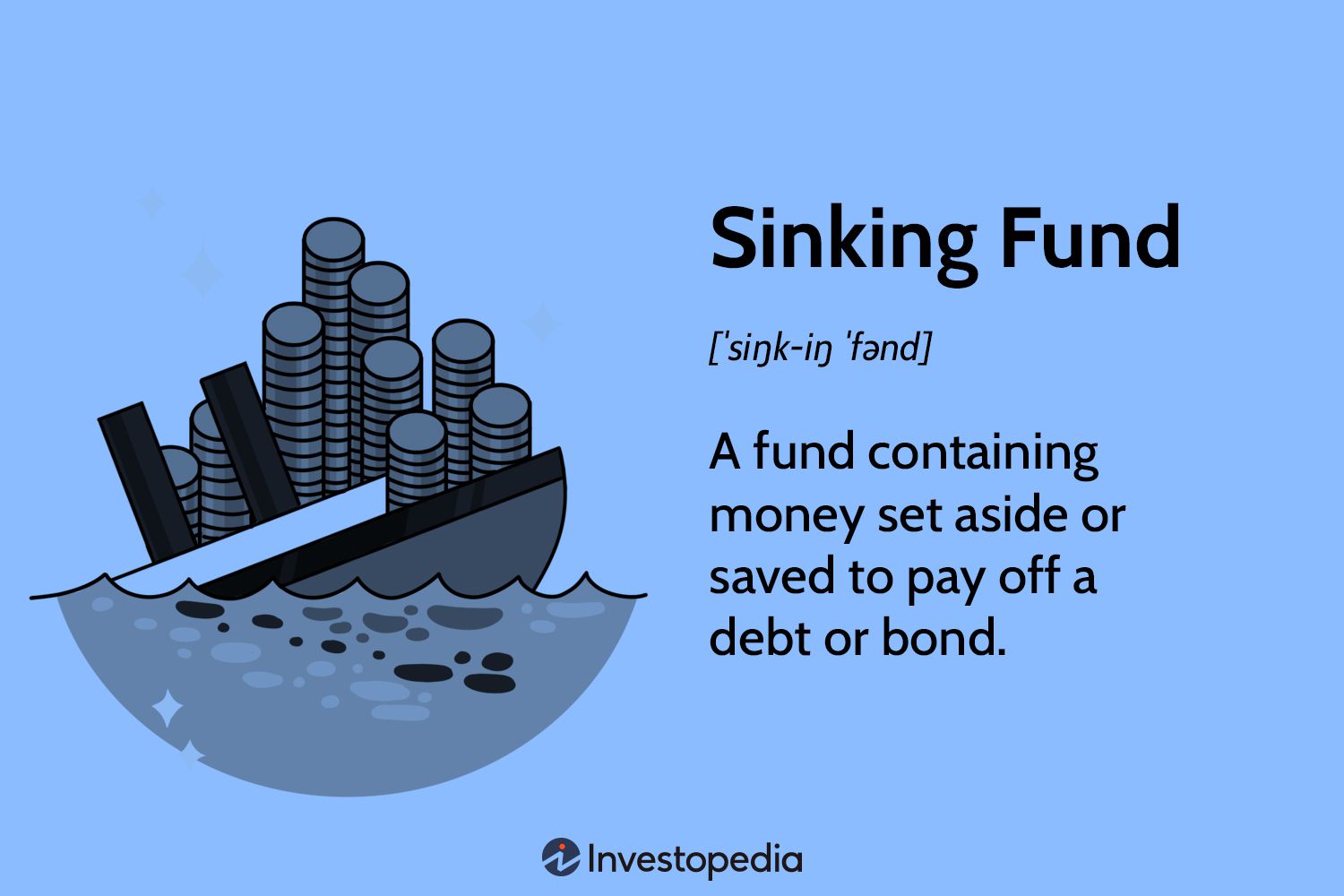

  • Sinking Fund: Safeguard Your Financial Future

    Sinking Fund: Safeguard Your Financial Future

    Having a sinking fund is a crucial aspect of financial planning that is often overlooked. It plays a vital role in ensuring financial stability and security for individuals and businesses alike. In this article, we will delve into the concept of a sinking fund, its benefits, and how to create one to achieve your financial goals.

    What is a Sinking Fund?

    A sinking fund is a designated pool of money set aside for a specific purpose, such as paying off debt, saving for a down payment on a house, or funding future expenses. It is a proactive and disciplined approach to financial management.

    Unlike an emergency fund, which is meant to cover unexpected expenses, a sinking fund is for planned expenses that you know will occur in the future. By contributing regularly to a sinking fund, you can ensure that you have the necessary funds when the time comes to make those anticipated expenses.

    The Benefits of a Sinking Fund

    1. Financial Preparedness: A sinking fund allows you to be financially prepared for upcoming expenses. Whether it’s a major purchase like a car or a once-in-a-lifetime trip, having a sinking fund prevents you from going into debt or scrambling for funds at the last minute.

    2. Debt Reduction: One of the most common uses of a sinking fund is to pay off debt. By setting aside money specifically for debt repayment, you can accelerate your progress and potentially save on interest payments.

    3. Peace of Mind: Financial stress can take a toll on your mental and emotional well-being. Having a sinking fund gives you peace of mind, knowing that you have money set aside for future expenses and emergencies.

    4. Goal Achievement: A sinking fund helps you stay focused on your financial goals. Whether you’re saving for a down payment on a house or planning for retirement, regular contributions to a sinking fund keep you on track and make those goals more attainable.

    5. Easier Budgeting: Sinking funds help distribute costs, making budgeting more manageable.

    6. Emergency Preparedness: Acts as a safety net, reducing the impact of unexpected financial burdens.

    7. Opportunity Seizing: Enables seizing investment opportunities or handling unforeseen expenses confidently.

    8. Long-Term Planning: Sinking funds foster a habit of foresighted financial planning for sustained well-being.

    How to Create a Sinking Fund

    1. Identify Your Goals: Start by identifying your financial goals and the estimated cost associated with each goal. It could be a vacation, a home renovation, or a college fund for your child. Knowing what you are saving for will help you determine how much you need to set aside each month.

    2. Set a Timeline: Determine the timeframe in which you want to achieve your goals. It could be six months, a year, or longer. Having a timeline will help you calculate the monthly contributions required to reach your goals.

    3. Calculate Monthly Contributions: Divide the total cost of your goal by the number of months in your timeline. This will give you the amount you need to set aside each month in your sinking fund. Make sure this contribution is realistic and fits within your budget.

    4. Automate Your Savings: Set up automatic transfers from your paycheck or bank account into your sinking fund. This helps ensure that you stay consistent with your contributions and avoid the temptation to spend the money elsewhere.

    Tips for Maximizing Your Sinking Fund

    – Consider using a separate savings account for your sinking fund to keep it organized and easily trackable.

    – Regularly review and reassess your savings goals and contributions.

    – Look for opportunities to boost your sinking fund contributions, such as reducing expenses or seeking additional sources of income.

    – Keep your sinking fund separate from your emergency fund to avoid using the money for unplanned expenses.


    Conclusion

    A sinking fund is a powerful tool for achieving financial stability and achieving your long-term goals. By planning ahead, setting clear goals, and consistently contributing to your sinking fund, you can take control of your finances and face future expenses with confidence. Start your sinking fund today and watch your financial dreams become a reality.

  • Deadweight Loss

    Welcome to our blog post on the topic of deadweight loss. In this article, we will explore the concept of deadweight loss, its causes, and its impact on market efficiency. Deadweight loss refers to the loss of economic efficiency that occurs when the equilibrium quantity of a good or service is not produced. This loss is a result of market inefficiencies caused by factors such as taxes, subsidies, or price controls.


    Causes of Deadweight Loss

    Deadweight loss can be caused by various factors, and we will discuss a few of the most common ones:

    FactorExplanation
    TaxesTaxes imposed on goods or services can lead to deadweight loss. When taxes increase the price of a good, it reduces the quantity demanded by consumers, resulting in a decrease in overall welfare.
    SubsidiesWhile subsidies are intended to promote the production or consumption of certain goods or services, they can also lead to deadweight loss. Subsidies distort market prices, creating a gap between the equilibrium quantity and the quantity actually produced.
    Price ControlsGovernment-imposed price controls such as price ceilings or floors can also contribute to deadweight loss. Price ceilings set below the equilibrium price lead to shortages, while price floors set above the equilibrium price result in surpluses.

    These are just a few examples of factors that can cause deadweight loss. The specific circumstances in each market will determine the extent of the loss.

    Impact on Market Efficiency

    Deadweight loss represents a significant inefficiency in markets, as it indicates that resources are not being allocated in the most optimal way. This loss results in a net decrease in total welfare and represents a missed opportunity for both consumers and producers.

    When deadweight loss occurs, it implies that some potential gains from trade are not realized. The social costs of producing and consuming goods or services exceed the social benefits, leading to an overall decrease in economic well-being.

    To better understand the impact of deadweight loss, let’s consider a simple example. Suppose there is a market for a particular good, and the equilibrium price and quantity are $50 and 100 units, respectively. If a price ceiling is imposed, causing the price to drop to $40, the quantity demanded increases to 120 units. Despite the increase in quantity, the deadweight loss is created because the additional units produced and consumed do not have a value equal to the social cost.

    It is essential to note that deadweight loss is not a static value and can vary depending on the specific market conditions. The larger the deadweight loss, the more market inefficiency exists, and the greater potential welfare gains are being lost.

    Reducing Deadweight Loss

    While completely eliminating deadweight loss may not be feasible, there are ways to minimize its negative impact on market efficiency. Here are a few strategies:

    • Reducing or eliminating taxes: By minimizing excessive taxation on goods or services, deadweight loss can be reduced and market efficiency improved.
    • Removing price controls: Removing government-imposed price ceilings or floors and allowing market forces to determine prices can help reduce deadweight loss.
    • Promoting free trade: Encouraging free trade and reducing government intervention in markets can lead to increased market efficiency and reduced deadweight loss.

    Implementing these strategies requires careful consideration and balancing of various economic factors. A comprehensive analysis of the specific market conditions is necessary to determine the most appropriate course of action.

    Frequently Asked Questions

    What Is Deadweight Loss In Economics?

    Deadweight loss in economics refers to the loss of economic efficiency that occurs when the allocation of resources is not at its optimal level. It represents the cost to society resulting from market inefficiencies, such as taxes or regulations.

    How Does Deadweight Loss Impact The Economy?

    Deadweight loss can have various negative effects on the economy. It reduces overall economic welfare by lowering the total surplus of both consumers and producers. This reduction in efficiency can hinder economic growth and lead to a misallocation of resources.

    What Are The Causes Of Deadweight Loss?

    Deadweight loss can be caused by several factors. Common causes include taxes, subsidies, price controls, and market monopolies. These distortions in the market can create artificial imbalances in supply and demand, resulting in efficiency losses.

    How Does Deadweight Loss Affect Consumer And Producer Surplus?

    Deadweight loss diminishes both consumer surplus and producer surplus. Consumers may miss out on potential benefits or be forced to pay higher prices due to market inefficiencies. Meanwhile, producers may experience decreased profits or find it harder to compete.

    Conclusion

    Deadweight loss is a vital concept in economics, representing a loss of economic efficiency in markets. It is caused by factors such as taxes, subsidies, and price controls, and it results in a net decrease in total welfare.

    Understanding the causes and consequences of deadweight loss is crucial for policymakers and economists to make informed decisions regarding market interventions. By implementing strategies to minimize deadweight loss, market efficiency can be improved, leading to a more optimal allocation of resources and increased economic well-being.

  • What Usain Bolts Net Worth

    Usain Bolt’s net worth is estimated to be around $90 million. The Jamaican sprinter acquired his wealth through his successful track career and various endorsements and business ventures.

    As one of the greatest sprinters in history, Bolt set numerous world records and won multiple Olympic gold medals, solidifying his status as a global sports icon. Beyond his athletic achievements, Bolt capitalized on his fame by securing endorsement deals with major brands like Puma, Gatorade, and Hublot.

    Additionally, he has ventured into business, launching his own clothing line and investing in restaurants and real estate. With his combination of athletic prowess and entrepreneurial acumen, Bolt has amassed a substantial net worth that reflects his impact on and off the track.

    Early Life And Career

    Usain Bolt, the legendary Jamaican sprinter, has achieved remarkable success in his career, both on and off the track. His journey to becoming one of the greatest athletes of all time is a story of dedication, hard work, and unparalleled talent. This section delves into his early life and the events that led to his rise to fame.

    Birth And Childhood

    Bolt was born on August 21, 1986, in Sherwood Content, a small town in Trelawny, Jamaica. He spent his early years with his parents, Wellesley and Jennifer Bolt, and his siblings. From a young age, Bolt displayed a natural inclination towards sports, particularly cricket and football. However, it was his exceptional speed that caught the attention of his peers and coaches, igniting the spark of his future athletic career.

    Rise To Fame

    As Bolt’s talent for sprinting became more apparent, his potential was nurtured by his high school coach, Pablo McNeil. Under McNeil’s guidance, Bolt quickly made a name for himself in the track and field circuit. At the age of 15, he won the 200m race at the 2002 World Junior Championships, signaling the start of his meteoric rise to fame. His extraordinary speed and impressive performances at international competitions soon established him as a force to be reckoned with in the world of athletics, culminating in his record-breaking achievements in numerous Olympic and World Championship events.

    Athletic Achievements

    The athletic achievements of Usain Bolt have cemented his status as one of the greatest track and field athletes of all time. With a remarkable career spanning over a decade, Bolt’s accomplishments on the track have undoubtedly contributed to his impressive net worth. Let’s explore his Olympic success and world records in more detail:

    Olympic Success

    Usain Bolt’s dominance in the Olympic Games is unparalleled. He has won a staggering eight gold medals throughout his Olympic career, making him the most successful sprinter in Olympic history. Bolt first burst onto the scene in the 2008 Beijing Olympics, where he won gold in both the 100-meter and 200-meter races, setting new Olympic records in the process. He successfully defended his titles in the 2012 London Olympics and the 2016 Rio Olympics, solidifying his status as a living legend.

    Bolt’s charismatic personality and unmatched speed captivated audiences around the world during these Olympic Games. His showmanship, incredible athleticism, and effortless style made him a fan favorite wherever he competed.

    World Records

    Usain Bolt’s name is synonymous with breaking world records. Throughout his career, he achieved the unthinkable, setting and resetting numerous records. Bolt’s most renowned world records are in the 100-meter and 200-meter races.

    In the 2009 World Championships in Berlin, Bolt displayed unparalleled speed, clocking an astonishing 9.58 seconds in the 100-meter race. This incredible feat remains the world record to this day and showcases Bolt’s unparalleled speed and power.

    Similarly, Bolt shattered the world record in the 200-meter race during the same championships, crossing the finish line in a blistering 19.19 seconds. His ability to maintain extraordinary speed over longer distances solidified his place in history.

    In addition to these individual accomplishments, Bolt was also part of the Jamaican relay teams that set world records in the 4×100-meter relay. These records further demonstrated Bolt’s exceptional speed and his ability to contribute to his team’s success.

    Usain Bolt’s athletic achievements have propelled him to the pinnacle of his sport and have undoubtedly contributed to his substantial net worth. His dominance in the Olympic Games and the breaking of world records have rightfully earned him a place among the greatest athletes of all time.


    Business Ventures

    Usain Bolt, the world-renowned sprinter, did not rely solely on his immense speed and athletic abilities to accumulate his impressive net worth. Instead, he ventured into various business endeavors that have contributed significantly to his financial success. From brand endorsements to entrepreneurial pursuits, Bolt has demonstrated his astute business acumen alongside his unmatched athleticism.

    Brand Endorsements

    Bolt’s exceptional reputation and widespread popularity have made him a sought-after figure for brand endorsements. With his charismatic personality and exceptional track record, he has collaborated with numerous renowned companies to promote their products and services. Bolt’s endorsements have included partnerships with global brands such as Puma, Gatorade, Virgin Media, and Hublot.

    These strategic associations have not only enhanced Bolt’s income but have also solidified his standing as a prominent figure in the world of athletics and beyond. His partnership with Puma, in particular, has been one of the most significant collaborations of his career, with the sportswear company producing a dedicated line of merchandise endorsed by Bolt himself.

    Entrepreneurial Pursuits

    In addition to his brand endorsements, Bolt has pursued entrepreneurial ventures that have allowed him to diversify his income sources and capitalize on his personal brand. One notable entrepreneurial pursuit is his ownership stake in the electric scooter company, Bolt Mobility. By aligning his name with this emerging sector, Bolt demonstrates his forward-thinking attitude towards sustainable transportation and the importance of embracing innovative solutions.

    Furthermore, Bolt has also invested in the restaurant industry, with his highly successful Jamaica-themed sports bar chain, Tracks & Records. This Caribbean-inspired establishment has not only added to Bolt’s net worth but has also become a popular destination for locals and tourists alike, combining Bolt’s passion for his homeland with his love for sports and entertainment.

    Through his entrepreneurial ventures, Bolt has showcased his determination to venture beyond the track and explore new opportunities. These endeavors have not only solidified his financial position but have also allowed him to leave a lasting impact beyond his athletic achievements.

    Philanthropy And Personal Life

    Sure, I can do that. Here it is: “`html

    Usain Bolt has not only left his mark as the fastest man in the world, but he has also made a significant impact through his philanthropic efforts and personal life. Let’s take a closer look at the charitable work he has been involved in and his family and personal endeavors.

    Charitable Work

    Bolt has been actively involved in various charitable initiatives, using his platform and resources to give back to his community. He established the Usain Bolt Foundation, focusing on the educational and cultural development of children in Jamaica. Through this foundation, he has funded scholarships, donated sporting equipment, and supported various community projects. Additionally, Bolt has contributed to several disaster relief efforts and has been an advocate for children’s welfare.

    Family And Personal Endeavors

    Beyond his athletic achievements, Bolt values and prioritizes his family and personal interests. He has been open about his close-knit relationship with his parents and siblings, often crediting them for their unwavering support throughout his career. Bolt also has a keen interest in music and has pursued ventures in this field, collaborating with artists and even launching his own music label.

    Frequently Asked Questions Of What Usain Bolts Net Worth

    How Much Is Usain Bolt Salary?

    Usain Bolt’s salary varies, but as of 2021, it is estimated to be around $31 million per year.

    What Is Usain Bolt’s Top Speed?

    Usain Bolt’s top speed is recorded at 27. 8 miles per hour.

    Who Is World Fastest Man?

    The world’s fastest man is Usain Bolt, who holds the world record for both the 100-meter and 200-meter sprints. He achieved these records in 2009, with times of 9. 58 seconds and 19. 19 seconds, respectively.

    Conclusion

    In the realm of sports, Usain Bolt stands as an iconic figure whose achievements have garnered worldwide admiration. Not only has he left an indelible mark on the track, but his undeniable talent has also propelled him to incredible wealth.

    With a net worth estimated in the millions, Bolt’s entrepreneurial ventures and endorsement deals have solidified his financial prowess. As an epitome of success, Bolt’s net worth not only reflects his exceptional athletic abilities but also his determination and drive to excel.

    His story serves as an inspiration to aspiring athletes and individuals striving for greatness. So, let Usain Bolt’s journey remind us that with hard work and passion, anything is possible.

  • What Is an Investment Teaser? Unveiling the Secrets of Compelling Deals

    What Is an Investment Teaser? Unveiling the Secrets of Compelling Deals

    What Is An Investment Teaser?

    An investment teaser is a document prepared by a company or investment banker to generate interest from potential investors or buyers. It is typically used in mergers and acquisitions (M&A) transactions to provide a brief overview of the investment opportunity and attract potential buyers or investors.

    The Purpose of an Investment Teaser

    The primary purpose of an investment teaser is to capture the attention of potential investors or buyers and generate interest in the investment opportunity. It serves as a preliminary marketing tool to provide a high-level overview of the investment opportunity and entice potential investors to explore further.

    An investment teaser is usually distributed to a select group of potential investors who have shown interest in similar investment opportunities in the past, ensuring that those receiving the document are already inclined to consider such opportunities.


    What Is an Investment Teaser? Unveiling the Secrets of Compelling Deals

    Credit: www.amazon.com

    Key Components of an Investment Teaser

    An investment teaser typically contains the following key components:

    1. Executive Summary

    This section provides a concise summary of the investment opportunity, highlighting the key selling points and potential benefits for investors. It aims to immediately capture the reader’s attention and entice them to continue reading.

    2. Industry Overview

    This section provides an overview of the industry in which the company operates, including market size, growth potential, and key trends. It helps potential investors understand the context within which the investment opportunity exists.

    3. Company Overview

    This section provides information about the company, its history, management team, and competitive advantages. It highlights the company’s unique selling points and positions it as an attractive investment opportunity.

    4. Financial Highlights

    This section provides a snapshot of the company’s financial performance, including revenue, profitability, and key financial ratios. It gives potential investors an idea of the company’s financial health and growth potential.

    5. Investment Highlights

    This section focuses on the key investment highlights, such as potential returns, growth opportunities, and strategic advantages. It aims to create a sense of urgency and excitement around the investment opportunity.

    6. Contact Information

    This section provides the contact details of the company or investment banker responsible for managing the investment opportunity. Potential investors can reach out for further information or to express their interest.

    Tips for Creating an Effective Investment Teaser

    Creating an effective investment teaser requires careful consideration and attention to detail. Here are some tips to keep in mind:

    • Keep it concise: Limit the teaser to a few pages to maintain the reader’s interest and make it easier to share.
    • Highlight the most compelling points: Focus on the key selling points and potential benefits to quickly capture the reader’s attention.
    • Create a sense of urgency: Emphasize exclusive opportunities or limited-time offers to generate a sense of urgency among potential investors.
    • Use visuals: Incorporate charts, graphs, and images to make the teaser visually appealing and enhance understanding.
    • Proofread and edit: Ensure the teaser is error-free and conveys a professional image of the company or investment opportunity.
    What Is an Investment Teaser? Unveiling the Secrets of Compelling Deals

    Credit: fastercapital.com

    Conclusion

    An investment teaser is a powerful marketing tool used in the world of mergers and acquisitions to generate interest among potential investors or buyers. By highlighting the investment opportunity’s key selling points, financial highlights, and contact information, it aims to attract and engage potential stakeholders. By following the tips provided, you can create an effective investment teaser that maximizes interest and leads to successful investment outcomes.

  • What Is A Rewards Credit Card

    A rewards credit card is a type of credit card that offers users the opportunity to earn rewards or cashback on their purchases, typically in the form of points or miles.

    Benefits Of Rewards Credit Cards

    A rewards credit card offers perks such as cash back, travel miles, or points for purchases. Users can redeem rewards for a variety of benefits, including travel, merchandise, and statement credits. This type of card can help cardholders save money and enjoy additional perks.

    Rewards credit cards are becoming increasingly popular among consumers due to the numerous benefits they offer. These cards allow cardholders to earn rewards in the form of cashback or travel points based on their spending. So, let’s take a closer look at the specific benefits of rewards credit cards.

    Cashback Rewards

    One of the major benefits of rewards credit cards is the opportunity to earn cashback on everyday purchases. When you use your rewards credit card for shopping or dining out, you can earn a percentage of your purchase back as cashback. For example, if your card offers 2% cashback and you spend $100, you can earn $2 back. This can add up over time and provide you with extra money that can be used for future purchases or put into savings.

    Travel Rewards

    Rewards credit cards also offer travel rewards, which are particularly appealing to those who love to travel. With these cards, you can earn points for every dollar spent, and these points can then be redeemed for flights, hotel stays, car rentals, and other travel-related expenses. Some rewards credit cards even provide additional travel perks, such as airport lounge access or travel insurance coverage. These travel rewards can help reduce the cost of your trips and make your travel experiences more enjoyable.

    In summary, rewards credit cards provide a range of benefits, including cashback rewards and travel rewards. With cashback, you can earn money back on your everyday purchases, while travel rewards allow you to earn points that can be used towards flights, hotel stays, and other travel expenses. So, if you’re looking to maximize your spending and reap some extra rewards, a rewards credit card could be a great option for you. Start enjoying the benefits today!

    Types Of Rewards Credit Cards

    What Is A Rewards Credit Card? Rewards credit cards are a type of credit card that offer incentives or benefits to cardholders for their spending. These rewards can be in the form of cash back, points, miles, or other types of rewards. There are several types of rewards credit cards available, each with its unique features and benefits. In this article, we will explore the different types of rewards credit cards and how they can help you save money or earn valuable rewards.

    Point Rewards Cards

    Point rewards cards are one of the most popular types of rewards credit cards available in the market. With these cards, you earn points for every dollar spent on eligible purchases. These points can then be redeemed for various rewards such as travel, merchandise, gift cards, or even cash back. The more you spend, the more points you earn, allowing you to enjoy more significant rewards.

    Co-branded Cards

    A co-branded card is a rewards credit card that is created in partnership between a credit card issuer and a specific brand, such as an airline, hotel chain, or retailer. These cards are designed to cater to loyal customers of the brand, offering rewards and benefits that are specific to that brand. For example, an airline co-branded card may offer bonus miles, priority boarding, or free checked bags to cardholders.

    Co-branded cards provide cardholders with the opportunity to earn more rewards and enjoy exclusive perks associated with the partner brand. These cards are particularly attractive for individuals who frequently shop at the co-branded company or regularly travel with the partnering airline or hotel chain. By using a co-branded card, you can not only earn rewards but also enhance your overall brand experience.


    Maximizing Rewards

    Earning rewards on your credit card can be a great way to get the most out of your spending. But how can you maximize those rewards to their fullest potential? In this article, we will explore key strategies to make the most out of your rewards credit card.

    Understanding Bonus Categories

    Bonus categories are the specific types of purchases that earn you a higher rate of rewards. These categories can range from travel and dining to grocery shopping and gas stations. It’s crucial to understand which categories offer elevated rewards to ensure you’re taking advantage of every opportunity.

    For example, if your card offers 3x points on travel expenses such as flights and hotel bookings, consider using it exclusively for these purchases. By paying attention to the bonus categories, you can earn more rewards on targeted spending and maximize your overall benefits.

    Redemption Strategies

    Once you’ve accumulated a substantial amount of rewards, it’s time to explore redemption strategies. There are various ways to redeem your rewards, and each option may offer different values and benefits.

    One common method is redeeming rewards for statement credits, which can offset your monthly bill and reduce your expenses. Alternatively, you can convert your rewards into gift cards, allowing you to enjoy discounts or free purchases at your favorite retailers. Some credit card issuers even offer the option to transfer rewards to travel partners, enabling you to book flights or hotel stays.

    It’s important to research the redemption options available for your specific credit card and determine which strategy is most valuable for your needs. By utilizing the best redemption method, you can make your rewards go further and enjoy even greater savings.

    In Conclusion

    Maximizing rewards on your credit card requires an understanding of bonus categories and smart redemption strategies. By focusing your spending on bonus categories and choosing the most advantageous redemption method, you can make the most out of your rewards credit card and enjoy a wide range of benefits.

    Considerations Before Getting A Rewards Credit Card

    Choosing a rewards credit card can be a smart financial move, but it’s important to consider various factors before making a decision. Understanding the potential costs involved is crucial to ensure that the benefits of a rewards credit card outweigh any drawbacks. In this section, we will discuss two key considerations: annual fees and interest rates.

    Annual Fees

    Rewards credit cards often come with annual fees that can range from $50 to several hundred dollars. These fees are charged by the credit card issuer to cover the costs of providing rewards and additional benefits to cardholders. Before choosing a rewards credit card, it’s important to carefully evaluate the annual fee and consider whether the rewards and perks offered justify the cost.

    Here are some key points to consider when evaluating annual fees:

    • Compare the annual fee with the potential rewards you can earn. Calculate the value of the rewards you are likely to earn in a year and compare it to the annual fee. If the value of the rewards outweighs the fee, it may be worth considering the card.
    • Consider your spending habits and the types of rewards you are interested in. Some rewards credit cards offer bonus points or cashback on specific categories of spending, such as travel, dining, or groceries. Evaluate whether your spending aligns with the card’s rewards structure to maximize your benefits.
    • Check if the card offers any additional perks or benefits that can offset the annual fee. Some rewards credit cards provide benefits like airport lounge access, travel credits, or statement credits for specific purchases.

    Interest Rates

    Interest rates can significantly impact the cost of carrying a balance on a rewards credit card. It’s essential to understand how interest charges work and consider your repayment habits before getting a rewards credit card.

    Here are a few important points to consider when evaluating interest rates:

    • Check the annual percentage rate (APR) for purchases and balance transfers. The APR represents the cost of borrowing on the credit card and determines the amount of interest charged on balances carried over from month to month.
    • If you plan to carry a balance and pay interest, prioritize a rewards credit card with a lower APR to minimize the amount of interest you’ll have to pay over time.
    • Remember that rewards credit cards are most beneficial when balances are paid in full each month. If you carry a balance, the interest charges can quickly offset the value of the rewards earned.

    Alternatives To Rewards Credit Cards

    When seeking alternatives to rewards credit cards, individuals have several options to consider. Some may prefer the simplicity and lower risk of cash-back debit cards, while others may benefit from the features and guidance offered by budgeting apps.

    Cash-back Debit Cards

    Cash-back debit cards provide a straightforward way to earn rewards without the risk of accumulating credit card debt. By using a cash-back debit card for everyday purchases, individuals can earn a percentage of their spending back in cash, enhancing their financial wellness.

    Budgeting Apps

    Budgeting apps offer a digital solution for managing finances, tracking spending, and setting savings goals. These apps often come with features such as expense categorization, bill reminders, and tailored budget recommendations, empowering users to take control of their financial habits.

    Frequently Asked Questions On What Is A Rewards Credit Card

    How Does A Rewards Credit Card Work?

    Rewards credit cards work by offering incentives, such as points or cashback, for purchases made. These rewards can be redeemed for various benefits, like travel miles, gift cards, or statement credits. Using the card regularly can maximize the accumulation of rewards, leading to valuable perks and savings.

    What Is The Difference Between A Credit Card And A Rewards Credit Card?

    A credit card allows you to borrow money and make purchases, while a rewards credit card offers additional benefits like cash back or points for certain purchases.

    What Is The Meaning Of Reward Points In Credit Card?

    Reward points in credit cards are a type of incentive given to cardholders for making purchases. These points can be accumulated and redeemed for various rewards like cashback, gift cards, or discounts on future purchases.

    Conclusion

    Rewards credit cards provide a plethora of benefits that can enhance your financial management and improve your shopping experience. With various types of rewards, from cashback to travel points, these cards cater to different preferences and lifestyles. By making strategic use of rewards credit cards, you can maximize your benefits and save money in the long run.

    So, why not explore the world of rewards credit cards and take advantage of the perks they offer? Start enjoying the rewards today!